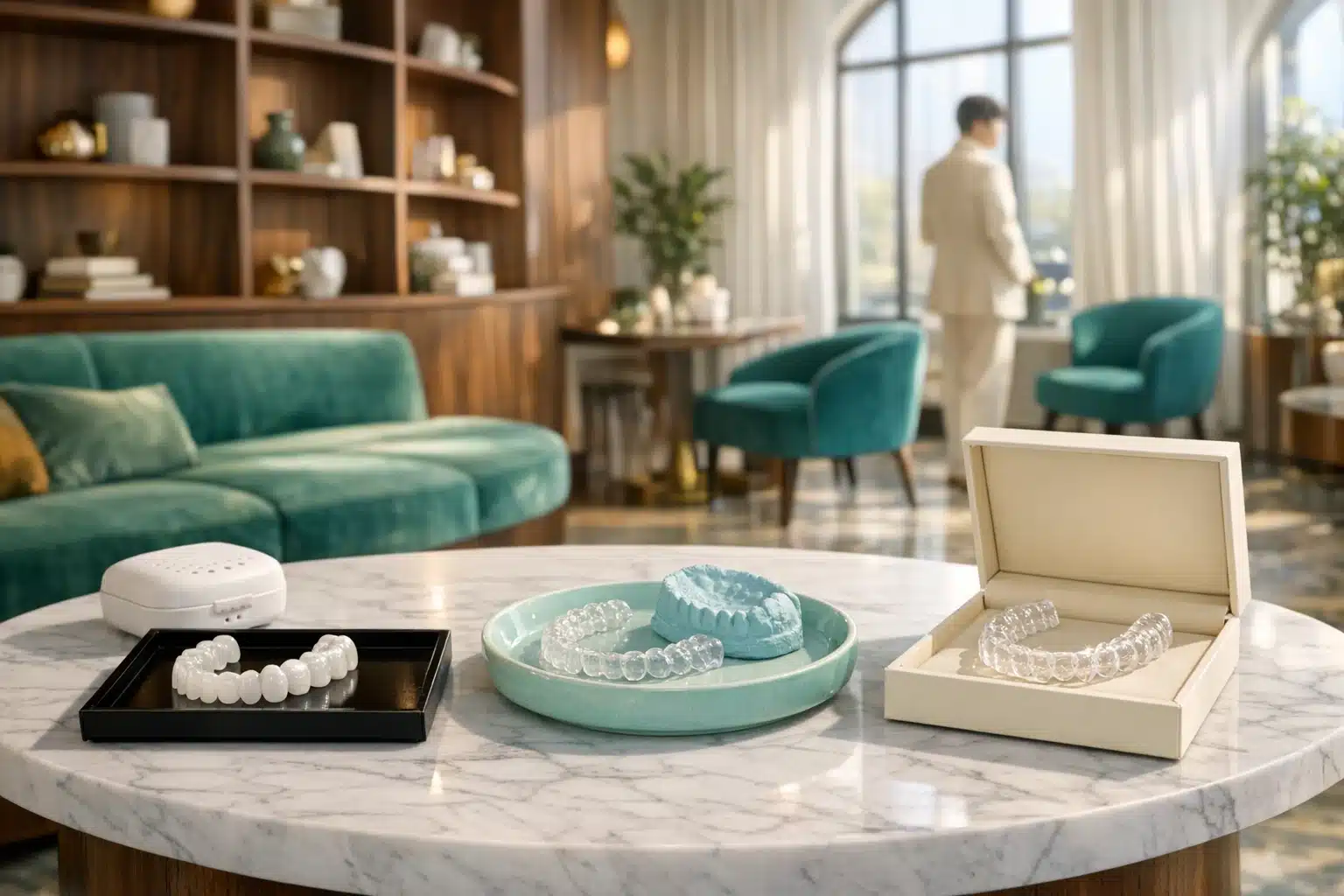
Dental Clips for Teeth: Uses, Types, and Buying Guide
Outline and What “Dental Clips” Usually Means
The phrase dental clips for teeth sounds straightforward, but it often refers to several distinct products, including cosmetic clip-on veneers, protective mouth appliances, and orthodontic retention devices. That difference matters because a device designed to hide a chipped tooth is not built to correct alignment or protect enamel from grinding. This guide sorts the category into clear, practical parts so you can compare options with realistic expectations and fewer surprises.
In everyday shopping language, “dental clips” is more of a market term than a strict clinical label. Dentists usually talk about retainers, mouthguards, bite splints, temporary veneers, or removable prosthetic appliances, depending on the actual purpose. Online sellers, however, often bundle very different items under one catchy phrase, which is where confusion begins. One product may promise a brighter smile for photographs, another may be shaped to reduce clenching damage, and a third may be part of dentist-supervised orthodontic care. They do not solve the same problem, and they should not be judged by the same standards. Outline of this article: • what the term commonly includes • the main reasons people buy these devices • the differences between ready-made, custom, and dental-office options • how to evaluate safety, comfort, and cost • how to clean, store, and use them responsibly.
Understanding the distinction is more than a shopping detail. Oral health affects daily life in visible and invisible ways, from chewing comfort to confidence in conversation. According to global public health data from the World Health Organization, oral diseases affect billions of people worldwide, which helps explain why quick-fix dental products attract attention. Still, a removable cosmetic clip does not treat decay, gum disease, infection, or bone loss. It can only cover, cushion, or hold, depending on how it is designed. Think of these devices as tools with narrow jobs rather than magic shortcuts. A raincoat is useful in a storm, but it does not rebuild the roof; dental clips work the same way. The most useful approach is to match the device to the actual need. If your goal is appearance, focus on fit and visual realism. If your goal is protection, material resilience and bite coverage matter more. If your goal is tooth movement or retention, professional oversight becomes far more important than marketing copy. Once that framework is clear, the rest of the buying decision becomes much easier.
Main Uses: Cosmetic Coverage, Protection, and Orthodontic Support
People usually look for dental clips for one of three reasons: to change how teeth look, to protect teeth from wear or impact, or to support the results of previous dental or orthodontic treatment. Cosmetic devices are the most heavily advertised because the appeal is immediate. Someone with staining, small gaps, uneven edges, or a missing side tooth may want a removable cover that improves the smile for social events, photographs, job interviews, or short-term confidence. These products can be helpful when expectations are realistic. They may hide imperfections, but they do not whiten natural enamel, fix deep bite problems, or replace proper restorative work. A cosmetic clip is a surface-level answer to a visible concern, which can be perfectly reasonable when used honestly.
Protective uses are different and often more functional than glamorous. Athletes wear mouthguards to reduce the risk of chipped or broken teeth during contact sports. People who grind or clench their teeth, especially at night, may use bite splints or night guards to reduce pressure on enamel and dental work. These appliances are not identical to cosmetic clips, even if both are removable and fit over teeth. Protective designs are usually thicker, more durable, and shaped with force distribution in mind. The goal is not to make a smile camera-ready; it is to absorb, buffer, or redirect pressure. In many cases, dentist-made guards fit better and last longer than generic options, though over-the-counter products can still be useful as a short-term entry point.
The third use, orthodontic support, is where caution matters most. Retainers help keep teeth from drifting after braces or aligner treatment. Some removable appliances may also be part of a supervised treatment plan to guide bite position or maintain space. Here, the word “clip” can be misleading because these devices are not casual accessories. Even a small change in fit can affect pressure on teeth, jaw comfort, and long-term alignment. If a person buys a random product online hoping it will move teeth into place, disappointment is likely, and unwanted side effects are possible. Teeth respond to controlled forces, not wishful thinking. In short, the purpose should lead the purchase. If you want coverage, buy for appearance. If you want protection, buy for durability. If you need retention or movement, involve a dental professional before guessing with your bite.
Types and Materials Compared
The simplest way to understand dental clips is to divide them into ready-made products, impression-based custom products, and professionally fabricated dental appliances. Ready-made items are usually the cheapest and fastest to order. They are often sold as one-size-fits-most clip-on veneers, sports guards, or boil-and-bite style trays. Their biggest advantage is convenience. Their biggest weakness is predictability. Human mouths are wildly individual, and a generic shell may feel bulky, unstable, or awkward when speaking. This category can work for occasional cosmetic wear or temporary use, but results vary a lot. If the fit is poor, the device may rub the gums, trap saliva in annoying ways, or look artificial up close.
Impression-based custom products sit in the middle. These typically involve taking an at-home mold or digital scan and sending it to a lab for fabrication. For cosmetic clip-on veneers, this usually improves retention and appearance compared with universal snap-on versions. For guards and retainers, a more accurate fit often translates into better comfort and more consistent wear. Materials vary, but many removable cosmetic appliances use resin, acrylic-like polymers, or flexible thermoplastics. Protective guards commonly use EVA or similar resilient plastics that can absorb impact. Hard splints may use sturdier acrylic-style materials for durability and shape control. Each material has trade-offs. Softer materials may feel gentler at first but can wear faster. Harder materials may last longer and hold shape better, but they can feel more noticeable when first worn.
Professionally fabricated devices from a dental office are usually the most precise and the most expensive. They are designed after an examination, which is a major advantage because the provider can spot cavities, gum inflammation, bite imbalances, loose restorations, or jaw issues that a mail-order brand cannot assess through photos alone. This category is usually the right choice when oral health, long-term wear, or bite stability matters. A quick comparison helps: • ready-made products are best judged on affordability and convenience • impression-based custom products often offer a better balance of fit and cost • dentist-made appliances are strongest when accuracy, diagnosis, and follow-up care are important. The best material is not the one with the flashiest name; it is the one that matches the job. A thin cosmetic cover should not be mistaken for a grind guard, and a sports mouthguard should not be expected to look like a natural smile makeover. When the product purpose and material design align, the experience is usually far better.
Buying Guide: Fit, Safety, Comfort, Cost, and Red Flags
Buying a dental clip is easiest when you ignore the dramatic before-and-after photos for a moment and ask a more useful question: what job must this device do in your mouth, every single time you wear it? Start with fit, because almost everything else flows from that. A poorly fitting device can feel loose, create pressure points, collect debris, change speech, and make chewing awkward. For cosmetic clips, fit also affects realism. If the appliance sits too far forward or looks unnaturally bulky, even a bright shade can appear less convincing than your real teeth. For guards and retainers, fit determines whether the device stays in place and whether pressure is distributed properly.
Safety should come next. Look for clear material information, basic care instructions, return policies, and honest use limitations. Sellers who promise dental correction without examination deserve skepticism. A few practical checkpoints can help: • Is the product meant for occasional cosmetic wear, overnight protection, sports use, or retention after orthodontics? • Does the seller explain who should not use it, such as people with active gum disease, untreated cavities, loose teeth, or dental implants requiring special consideration? • Are cleaning instructions specific, or are they vague and sales-heavy? • Is there any mention of professional support if the fit is wrong? A trustworthy listing usually sounds calm and precise. A risky listing often sounds like a miracle in a hurry.
Cost varies widely by type and region, but broad ranges can still be useful. Basic over-the-counter clip-on cosmetic products may cost relatively little, while impression-based versions are often more expensive because of lab work. Dentist-made appliances usually cost more upfront, but they also include assessment, adjustment, and often better long-term value. Price alone should not be the decider. If a very cheap product causes soreness, affects your bite, or needs replacing quickly, the bargain shrinks fast. Watch for red flags such as guaranteed permanent results from a removable device, no mention of dental hygiene, unclear manufacturing details, or claims that one product is ideal for every mouth. A sensible buyer compares not just price, but also intended use, expected wear time, material quality, and the ability to get help if something feels wrong. In dental shopping, calm information is often a better sign than flashy certainty.
Care, Risks, and Conclusion for Everyday Buyers
Even a well-chosen dental clip can become a problem if it is worn too long, cleaned poorly, or used for the wrong purpose. Daily care matters because removable appliances sit in a warm, moist environment where plaque and odor can build quickly. Most products should be rinsed after use and cleaned according to the manufacturer’s instructions, usually with a soft brush and non-abrasive cleanser. Very hot water can warp some plastics, and harsh whitening agents may weaken surfaces or alter color. Storage matters too. A ventilated case is usually better than wrapping the device in tissue and forgetting it in a pocket or bag. A small appliance can vanish as easily as a loose receipt, and replacing it may not be cheap.
There are also meaningful risks to understand. Cosmetic clip-on veneers can make speech feel different at first and may cover more tooth and gum area than users expect. If they are worn while eating, they can crack, trap food, or place stress where the product was never meant to handle chewing forces. Protective guards that do not fit properly can still leave parts of the bite unsupported. Retainers that feel suddenly tight may signal tooth movement, and using a poorly fitting substitute without advice can worsen discomfort. Seek dental guidance if you notice pain, gum bleeding, persistent jaw soreness, pressure that does not ease, or changes in how your teeth meet when you bite. A removable device should not create a new problem in the name of solving an old one.
For everyday buyers, the smartest conclusion is refreshingly simple. Choose dental clips by purpose, not by hype. If you want a temporary cosmetic improvement, focus on realistic appearance and short-wear comfort. If you need protection from impact or grinding, prioritize coverage, durability, and professional input when symptoms are ongoing. If orthodontic retention or tooth movement is involved, treat that as a healthcare decision rather than an impulse purchase. A good dental clip can be useful, convenient, and confidence-building, but it works best when it plays a supporting role, not the lead in a fantasy. Your smile deserves practical judgment: know what the device can do, know what it cannot do, and let that clarity guide the final choice.