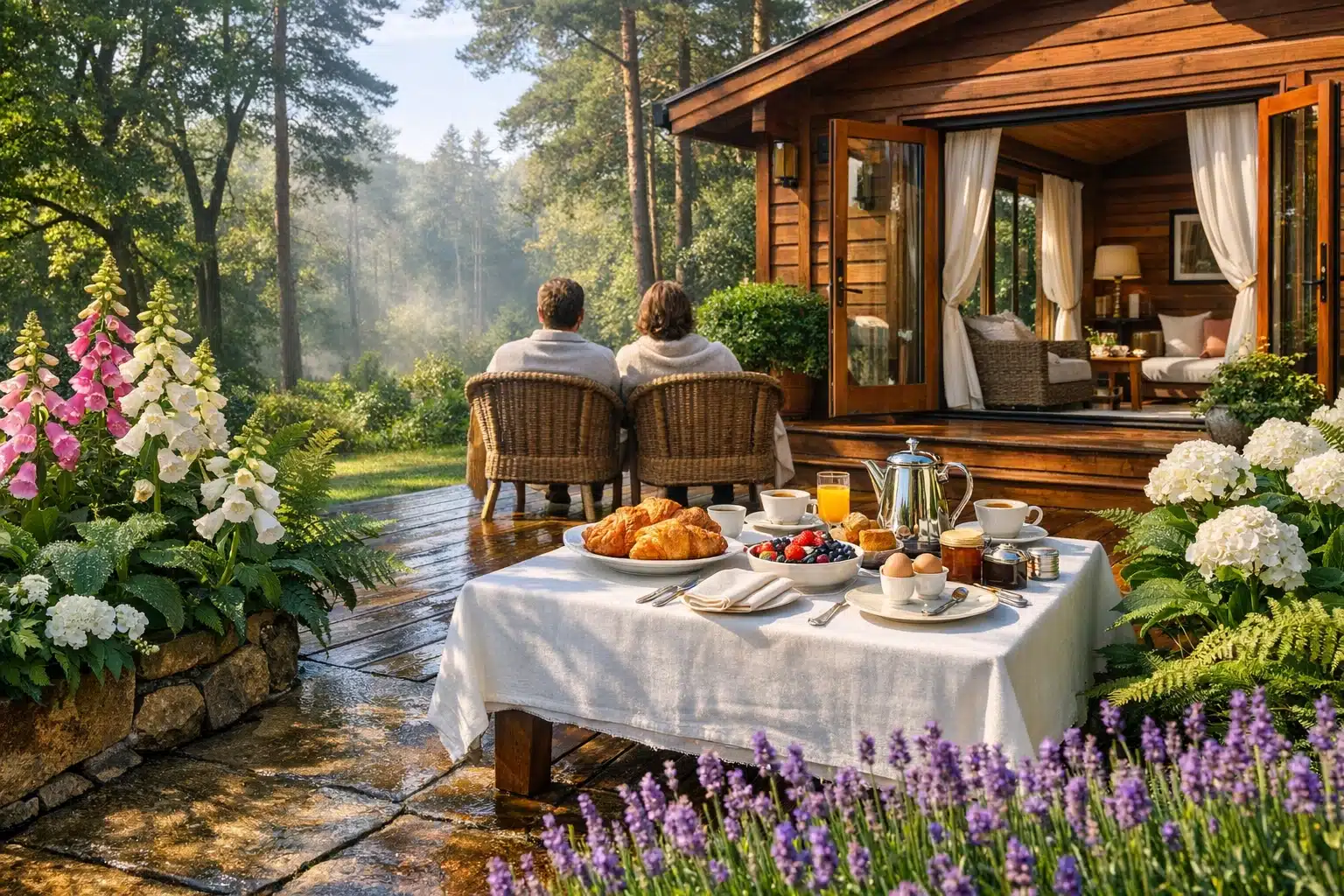
Your Complete Guide to 55+ Mobile Home Living
Choosing a home in a 55+ mobile home community is not just a housing decision; it is a lifestyle calculation that blends money, comfort, rules, and future needs. These neighborhoods can cost less than many site-built alternatives, yet the details around land leases, park policies, upkeep, and resale deserve slow, careful attention. This guide turns a complicated subject into a practical one, helping you compare communities, ask sharper questions, and picture daily life before you commit.
Understanding 55+ Mobile Home Living
Before getting into costs and contracts, it helps to know what this type of housing actually is. Here is the outline for the guide you are about to read:
- What 55+ mobile home living means and how it differs from other housing choices
- How pricing works, including purchase costs, lot rent, financing, and monthly expenses
- What daily life feels like inside these communities, from amenities to rules
- How to inspect a home, read community paperwork, and avoid expensive surprises
- How to plan for aging in place, resale, and a smooth long-term transition
The phrase mobile home is still used in everyday conversation, but many homes sold in these communities are technically manufactured homes. That distinction matters. In the United States, homes built after June 15, 1976, generally fall under the federal HUD Code for manufactured housing. Older units are more likely to be true mobile homes, and they may face different insurance, financing, and maintenance challenges. In casual speech, people often use the older term for both, so it is smart to ask for the year of construction and how the home is titled.
A 55+ community is age-restricted housing designed primarily for older adults. Under the Housing for Older Persons Act, a qualifying community must have at least 80 percent of its occupied units with at least one resident who is 55 or older. That does not mean every resident must be 55, and guest policies vary. Some communities welcome younger spouses or disabled adult children under certain conditions, while others have tighter occupancy rules. This is why the rule book matters as much as the floor plan.
There are also different ownership models. In some neighborhoods, you buy the home but rent the land beneath it. In others, you buy both the home and the lot. Some communities are resident-owned cooperatives, which can provide more control over decision-making, while others are privately owned parks where management sets rent, rules, and approval standards. None of these structures is automatically better. A land-lease park can be beautifully maintained and social, while a resident-owned community can be stable and well-governed. The key is understanding what you are paying for and who makes the decisions.
Think of 55+ mobile home living as a spectrum rather than a single lifestyle. One place may feel like a quiet village with shuffleboard courts and morning coffee meetups. Another may run like a compact resort with pools, clubs, classes, and packed social calendars. The variety is part of the appeal, but it also means you should never assume one community operates like another. Terms, fees, amenities, and expectations can differ sharply even within the same town.
Costs, Financing, and the Real Monthly Budget
The lower sticker price of a mobile or manufactured home often draws people in first, and for good reason. In many markets, a home in a 55+ community can cost noticeably less than a site-built house or retirement condo nearby. But the true budget is never just the sale price. To understand affordability, you need to separate upfront costs from monthly obligations and compare them honestly with your alternatives.
If you are buying in a land-lease community, your monthly costs may include lot rent, utilities, insurance, property taxes on the home, and community fees. If you own the land, lot rent disappears, but taxes and maintenance may rise. Some communities bundle water, sewer, trash pickup, or lawn care into one monthly fee. Others bill them separately. This is why two homes with the same asking price can lead to very different long-term budgets.
Financing can also look different from a standard mortgage. If the home is not attached to owned land and remains titled as personal property, buyers may need a chattel loan rather than a conventional mortgage. Chattel loans often have shorter terms and may carry higher interest rates. If the home is converted to real property and the land is included, financing options can be more favorable. Buyers should ask not only “Can I afford the purchase?” but also “What type of loan is this, and how does that affect the payment?”
A practical way to compare options is to build a full monthly housing worksheet. Include:
- Loan payment or cash outlay
- Lot rent or land costs
- Homeowners insurance and possible wind or flood coverage
- Utilities, internet, and trash fees
- Property taxes
- Maintenance reserve for repairs and replacements
- Community association or amenity fees
Compared with apartments, 55+ mobile home living may offer more privacy, outdoor space, and a stronger sense of ownership. Compared with condos, it may come with fewer shared walls and a lower purchase price, though condo associations sometimes include building maintenance that a manufactured homeowner handles personally. Compared with a traditional detached house, the home may be smaller and easier to maintain, but the lot arrangement and resale market may be less straightforward.
One common mistake is focusing only on today’s affordability. A better approach is to ask how costs may shift in five or ten years. Can lot rent increase? Are there pending infrastructure improvements? How old is the roof, HVAC system, or plumbing? A home that looks inexpensive on paper can become a headache if major systems are near the end of their life. A careful buyer treats the monthly budget like a living document, not a one-time estimate scribbled on the back of a brochure.
Lifestyle, Amenities, and Finding the Right Community Fit
A 55+ mobile home community is not simply a place to sleep; it is a small social ecosystem. Some residents want quiet afternoons, tidy streets, and a predictable rhythm. Others want card clubs, exercise classes, potlucks, craft rooms, and a calendar so full it needs its own bulletin board. The right fit depends less on marketing language and more on how you actually want your week to feel.
Visit enough communities and you will notice the differences quickly. One may have neatly kept lots, friendly front porches, and a pool that acts like the town square. Another may emphasize privacy, with fewer activities and a more independent atmosphere. Neither model is wrong. A lively setting can be energizing for extroverts and newcomers. A quieter one may appeal to residents who value peace, reading time, gardening, or frequent travel.
Amenities often influence price, but they also shape culture. Common features include clubhouses, fitness rooms, pools, pickleball courts, dog parks, walking paths, and organized events. Yet the real question is whether people use them. A sparkling clubhouse means little if it sits empty. During a tour, ask residents what the community is actually like at different times of year. A neighborhood that feels vibrant in winter may be much calmer in summer, especially in snowbird destinations.
Rules deserve as much attention as amenities. Communities may regulate:
- Pets by size, breed, or number
- Parking for guests, RVs, or work vehicles
- Exterior paint colors, landscaping, and sheds
- Rental restrictions and occupancy limits
- Quiet hours and use of common areas
Rules are not automatically a negative. In many cases, they are what keep the neighborhood clean, safe, and consistent. Still, a rule that feels minor during a tour can become frustrating after move-in if it clashes with your habits. Someone who loves hosting relatives for extended stays, for example, should read guest policies carefully. A pet owner should never assume approval is automatic just because a few dogs are visible during the visit.
There is also an emotional side to community fit. Imagine the early evening: sprinklers clicking on, neighbors chatting near mailboxes, a golf cart humming past, a porch light warming the edge of dusk. For some people, that scene feels welcoming and steady. For others, it may feel too close-knit. The goal is not to choose the most impressive community on paper; it is to choose the one where your ordinary Tuesday feels comfortable. Spend time onsite, walk the streets, attend an event if possible, and trust both the numbers and the atmosphere.
Buying Smart: Inspections, Paperwork, and Questions That Matter
Once you find a community you like, the process shifts from dreaming to due diligence. This is the stage where buyers either protect themselves or walk into avoidable problems. Manufactured and mobile homes can be excellent purchases, but they require careful inspection and very clear paperwork. A pretty kitchen and fresh flooring should never distract you from what sits underneath, above, and behind the walls.
Start with the home itself. Age matters, but condition matters more. A well-kept older unit can outperform a newer one that has been neglected. Roof leaks, soft floors, aging plumbing, poor drainage, failing skirting, weak piers, and outdated electrical systems can turn a bargain into a budget trap. Hire an inspector who understands manufactured housing when possible, because these homes have construction details that differ from many site-built houses.
A useful inspection checklist includes:
- Roof age, visible damage, and past leak history
- Floor stability and signs of moisture intrusion
- HVAC age, service records, and expected remaining life
- Plumbing material, water pressure, and drain performance
- Windows, doors, insulation, and energy efficiency
- Tie-downs, foundation supports, and storm resilience where relevant
- Exterior siding, skirting, and pest evidence
Then review the community documents with equal seriousness. Ask for the lease or occupancy agreement, the full rule book, fee schedules, recent notices of rent increases, pet policies, guest policies, and any approval standards for buyers. Some parks require background or credit checks. Some restrict home age or condition at resale. Others outline exactly what happens if a resident sells, passes away, or moves out. These details can affect both daily life and exit options.
You should also clarify how the home is titled. Is it personal property or real property? Are back taxes owed? Is there an existing lien? Will the home transfer with appliances, sheds, carports, or furniture? If the seller says upgrades were permitted, ask for documentation. Unpermitted additions can create insurance and resale complications later.
Comparison shopping helps here too. A lower-priced home in a community with fast-rising lot rent may be riskier than a slightly more expensive home in a stable, well-managed park. A beautiful interior in a poorly run community is still a weak buy. On the other hand, an older home with solid systems in a well-governed neighborhood may offer better value than a flashy listing with unresolved structural issues.
The smartest buyers ask specific questions, take notes, and avoid being rushed. Good communities and honest sellers usually welcome careful review. If anyone pressures you to skip documents, waive inspections, or trust verbal promises, slow down. In retirement housing, clarity is comfort. The more transparent the transaction feels, the more confident you can be in the life that follows.
Planning for the Future: Aging in Place and Final Takeaways
The best 55+ housing decision is not only affordable today; it should also support the version of you that lives there five, ten, or fifteen years from now. That is where long-term planning becomes essential. A home that feels easy at move-in can become inconvenient if entry steps are steep, storage is awkward, hallways are tight, or medical services are far away. Aging in place is rarely about one dramatic change. It is a series of small practical choices made early enough to matter.
Look at the home with future mobility in mind. Can you add handrails, a ramp, wider doorways, lever handles, or a walk-in shower if needed? Is there space for a caregiver, even occasionally? How close are pharmacies, grocery stores, urgent care, and your preferred doctors? A charming community tucked far from essential services may lose some of its appeal when convenience becomes a daily priority.
Emergency planning belongs in the conversation too. Ask how the community handles storms, power outages, water interruptions, and evacuation notices. This is especially important in regions prone to hurricanes, floods, or extreme heat. A well-run neighborhood should be able to explain communication systems, shelter guidance, and local preparedness expectations.
It also helps to think about your eventual exit strategy. Important questions include:
- How easy is it to resell homes in the community?
- Are there age, condition, or approval rules that affect future buyers?
- Does the home have broad appeal or a very specialized layout?
- Will ongoing fees remain manageable if your income changes?
For many adults, 55+ mobile home living offers an appealing middle ground between a large traditional house and a highly managed apartment or condo. It can lower upkeep, reduce costs, and create a built-in neighborhood without eliminating independence. Still, the best outcomes usually go to buyers who combine optimism with homework. They tour more than once, read every document, run full cost comparisons, inspect carefully, and choose a setting that fits their actual routines rather than an idealized version of retirement.
If you are the target audience for this decision, whether you are retiring soon, downsizing after a family home, or helping a parent make a smart move, the central lesson is simple: look beyond the sales flyer. Study the ownership structure, understand the monthly numbers, test the culture of the community, and plan for later-life needs before they become urgent. Done thoughtfully, a 55+ mobile home community can offer not just a smaller home, but a more manageable and enjoyable way to live.