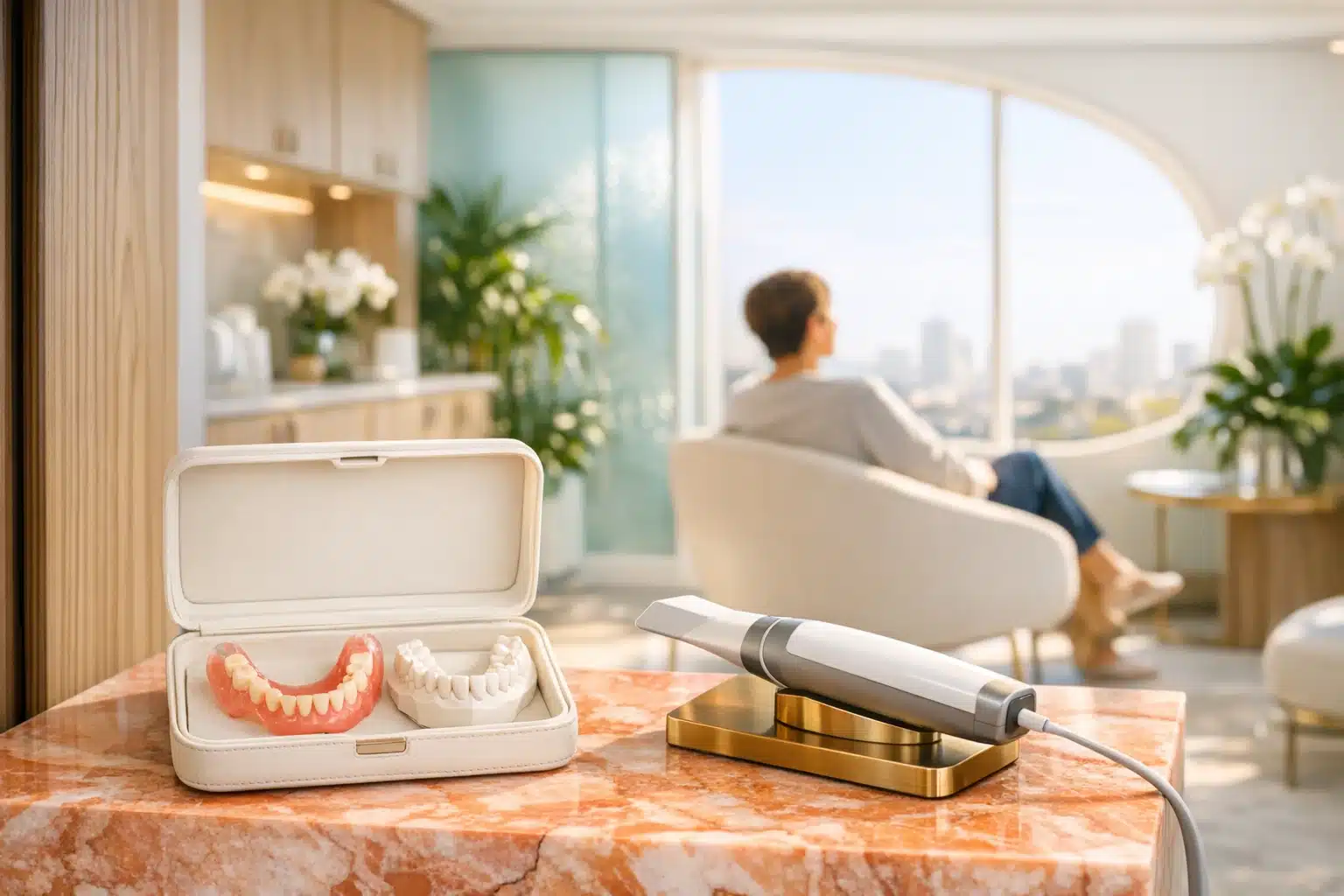
Flexible Same-Day Dentures Near Me
If you are searching for flexible same-day dentures near you, speed is probably only part of the story. A fast solution matters when a missing tooth affects eating, speech, work, or confidence, yet comfort, fit, and follow-up care matter just as much. This guide explains what same-day dentures usually include, how flexible materials compare with traditional acrylic options, what local clinics may offer, and which questions help you choose wisely before you book an appointment.
1. What Flexible Same-Day Dentures Really Mean and What This Guide Covers
The phrase flexible same-day dentures sounds wonderfully simple, almost like ordering glasses and walking out in an hour. In reality, it combines two different ideas that do not always overlap perfectly. Flexible dentures usually refer to partial dentures made from a bendable thermoplastic material rather than rigid acrylic. Same-day dentures, on the other hand, usually describe immediate dentures placed right after extractions or a denture service delivered quickly because the clinic has an in-house lab, digital scanning, or a tightly coordinated workflow. Some offices can offer both. Others can offer only one of the two.
That distinction matters because a patient searching “near me” is often trying to solve an urgent problem: a broken denture before a family event, a loose front tooth that suddenly became impossible to hide, or a treatment plan that must fit around work and childcare. The urgent part is understandable. Still, a quick turnaround should never hide the clinical truth that a well-fitting denture depends on gum health, bone shape, bite balance, and healing. If teeth are extracted the same day, the gums change shape as swelling goes down. That means many same-day appliances need adjustments, relines, or replacement later.
Here is a practical outline of what this article covers:
– what flexible dentures are and how they differ from immediate dentures
– who may benefit most and who may need a different option
– how to compare local clinics, timelines, and materials
– what costs, insurance, and follow-up visits may look like
– how to protect comfort, function, and confidence after treatment
It also helps to know that dentures come in more than one category. A complete denture replaces all teeth in an arch. A partial denture fills gaps when some natural teeth remain. Flexible materials are more common for partials than for full dentures because flexible full dentures can be harder to adjust for stable chewing in some cases. Traditional acrylic remains common for immediate full dentures because it is easier to modify after extractions. So if a clinic advertises “flexible same-day dentures,” ask exactly what type they mean. A short phone call can save a long day of mismatched expectations.
Think of this guide as a map, not a sales pitch. The goal is not to convince every reader that flexible same-day dentures are the answer. The goal is to help you understand when they are useful, when they are limited, and how to identify a local provider who explains those differences clearly.
2. Who Flexible Same-Day Dentures May Suit Best, and How They Compare With Other Options
Flexible same-day dentures can be appealing because they promise speed with a gentler feel. For the right patient, that combination is genuinely helpful. Flexible partial dentures often feel lighter than metal-based partials, and many people like that they blend more naturally with the gums because the base material can be gum colored and clasp more discreetly around teeth. If you have one or several missing teeth and still have healthy supporting teeth, a flexible partial may offer an attractive short-to-medium-term option.
Still, suitability depends on more than appearance. Patients who may benefit include:
– adults missing a few teeth who want a metal-free partial
– people who need a faster cosmetic solution while planning future treatment
– patients with allergies or sensitivities to certain rigid materials, when confirmed by a dental professional
– people seeking a removable option after a breakage or sudden tooth loss
Now for the comparisons that matter. Traditional acrylic dentures are rigid, common, and easier to reline or repair in many offices. They are often chosen for immediate full dentures after extractions because the dentist can adjust them as the gums heal. Flexible thermoplastic partials may be comfortable and esthetic, but they can be less ideal when major bite changes or future relines are expected. In plain terms, flexibility can feel nice, but it does not automatically mean better function for every mouth.
Implant-supported dentures are another category entirely. They usually offer more stability and chewing efficiency than removable dentures, especially for lower arches that tend to slip. However, implants require surgery, healing time, adequate bone, and significantly higher costs. They are not a same-day answer for most people, even when temporary teeth can be attached quickly in selected cases.
There are also limits worth taking seriously. Flexible dentures may not be ideal if you grind heavily, need precise bite correction, or have extensive gum disease, severe bone loss, or many unstable remaining teeth. A provider should assess:
– gum condition
– bone support
– bite alignment
– tooth mobility
– expectations for long-term wear
One of the most important truths in denture care is that the “best” option is highly personal. Someone who wants a quick, discreet partial for a visible gap may love a flexible appliance. Another person who needs a full upper and lower replacement after extractions may be better served by immediate acrylic dentures with planned relines during healing. The right question is not “Which denture is best for everyone?” It is “Which denture matches my mouth, budget, timeline, and daily needs?”
3. How to Find a Good Local Provider and What to Expect From a Same-Day Visit
When people search “flexible same-day dentures near me,” they are usually trying to solve a problem quickly, but local convenience should not be the only filter. The nearest office is not always the most suitable one. What matters is whether the clinic can actually provide the type of denture you need, whether it handles extractions and impressions in-house, and whether follow-up adjustments are built into the treatment plan. A polished website can be helpful, but clear clinical answers matter more than glossy photos.
A strong local search often starts with practical questions. When you call a clinic, ask:
– Do you offer flexible partial dentures, immediate dentures, or both?
– Can I be seen for consultation and treatment on the same day?
– If extractions are needed, are they performed in your office?
– Is there an on-site lab or same-day fabrication service?
– How many adjustments are included after delivery?
– Will I likely need a temporary denture before a final one?
The answers reveal a lot. For example, a clinic may advertise same-day dentures but actually send impressions to an outside lab, which can add days. Another office may offer same-day extractions and immediate dentures, but not flexible materials. Neither is necessarily a bad option; the issue is whether the service matches your needs.
A typical same-day process may look like this: consultation, exam, X-rays, impressions or digital scans, possible extractions, bite registration, fabrication or preparation of the denture, and delivery with initial fit adjustments. Some clinics can complete this in one long visit for selected cases. Others split it into two visits on the same day or one to three days apart. If infection, swelling, complicated extractions, or extensive design work is involved, the timeline may stretch. That is normal and often safer.
Look for signs of quality rather than speed alone. Positive indicators include:
– a clear explanation of whether the denture is temporary, transitional, or intended for longer wear
– written cost estimates
– realistic discussion of soreness, healing, and follow-up care
– good reviews that mention fit, communication, and adjustments rather than only price
– transparent credentials for the dentist, prosthodontist, or denturist, depending on local laws
There is also a human side to this decision. If you feel rushed during the consultation, brushed aside when you ask questions, or pushed toward treatment before understanding the trade-offs, step back. Good denture care is part craftsmanship, part medicine, and part communication. The office that listens carefully may save you more frustration than the office that simply promises the fastest turnaround.
4. Cost, Insurance, Materials, and the Hidden Factors That Affect the Final Price
Cost is often the quiet driver behind a search for flexible same-day dentures, even when the first concern is appearance or comfort. Prices vary widely by region, provider type, complexity, and whether the appliance is partial or full. In the United States, flexible partial dentures often range from several hundred to a few thousand dollars, while immediate full dentures can range from roughly one thousand dollars per arch to several thousand or more. Those broad numbers are only starting points, not promises, because the real bill depends on what is included.
The biggest price factors usually include:
– the number of teeth being replaced
– whether extractions are needed
– the material used for the denture base and teeth
– the need for X-rays, scans, impressions, or sedation
– whether the denture is temporary, immediate, or final
– follow-up relines, repairs, and adjustment visits
Material choice plays a role as well. Flexible thermoplastics may cost more than some basic acrylic appliances because of fabrication methods and design complexity. Yet cheaper is not always cheaper in the long run. A lower upfront price may exclude relines or repairs, leaving the patient to pay again when healing changes the fit. That is why asking for an itemized estimate is so important.
Insurance coverage can be tricky. Many dental plans cover dentures only partially, often with annual maximums that do not stretch far in larger treatment plans. Some plans cover extractions and prosthetics separately. Others cover a replacement only after a set number of years. If you are uninsured, ask about financing, phased treatment, or whether a temporary solution can bridge the gap until a final denture is affordable.
Here are smart money questions to ask before committing:
– Is this quote for a temporary or final denture?
– Are extractions, impressions, and X-rays included?
– How many adjustment visits are covered?
– Is a reline included after healing?
– What is the repair policy if the denture cracks or loosens early?
One more point deserves attention: bargain marketing can be misleading. A low advertised fee may apply to a base-level appliance only, not the version most patients actually need. The difference between a simple quote and a complete treatment bill can be substantial once exams, tooth removal, tissue conditioning, and follow-up care are added. A dependable clinic should be able to explain those layers without foggy language. When the numbers are transparent, you can compare local options fairly instead of guessing what “affordable” really means.
5. Conclusion: Aftercare, Adjustments, and How to Make the Right Local Choice
Getting a denture quickly can feel like crossing a finish line, but in truth it is the start of an adjustment period. Whether your denture is flexible, acrylic, partial, or immediate, the first days often involve sore spots, extra saliva, small speech changes, and a learning curve with chewing. None of that means the treatment failed. It means your mouth and your appliance are becoming acquainted, and like most first meetings, the relationship improves with attention.
Aftercare matters more than many patients expect. Clean the denture exactly as instructed, remove it when advised, and keep every follow-up appointment. Flexible materials may require specific cleaning products and should not be scrubbed with anything too abrasive. Immediate dentures placed after extractions may be worn continuously at first, then removed according to your dentist’s instructions once healing is underway. Because gums and bone shrink after teeth are removed, fit can change noticeably in the first weeks and months. Relines and adjustments are not signs of poor care; they are part of normal adaptation.
Watch for red flags that deserve professional attention:
– sharp pain that does not improve
– ulcers or sore spots that worsen
– clicking, tipping, or obvious bite imbalance
– persistent looseness that makes eating difficult
– cracks, warping, or material damage
– signs of infection after extractions, such as swelling, fever, or foul taste
For anyone focused on the “near me” part of the search, the smartest local choice is usually the office that balances speed with honesty. The right provider will tell you if a same-day option is realistic, whether a flexible denture fits your case, and what maintenance you should expect over time. They will not pretend every patient can walk out with a perfect long-term solution in one visit, because dentistry rarely works like magic. Good dentistry works like careful planning.
If you need a quick tooth replacement and want something comfortable and natural looking, flexible same-day dentures may be worth exploring. Start with a consultation, bring a list of questions, compare what each nearby clinic includes, and ask for a treatment plan in plain language. The best result is not simply a fast denture. It is a denture that lets you smile, speak, and eat with more ease while giving you a realistic path forward for future care.