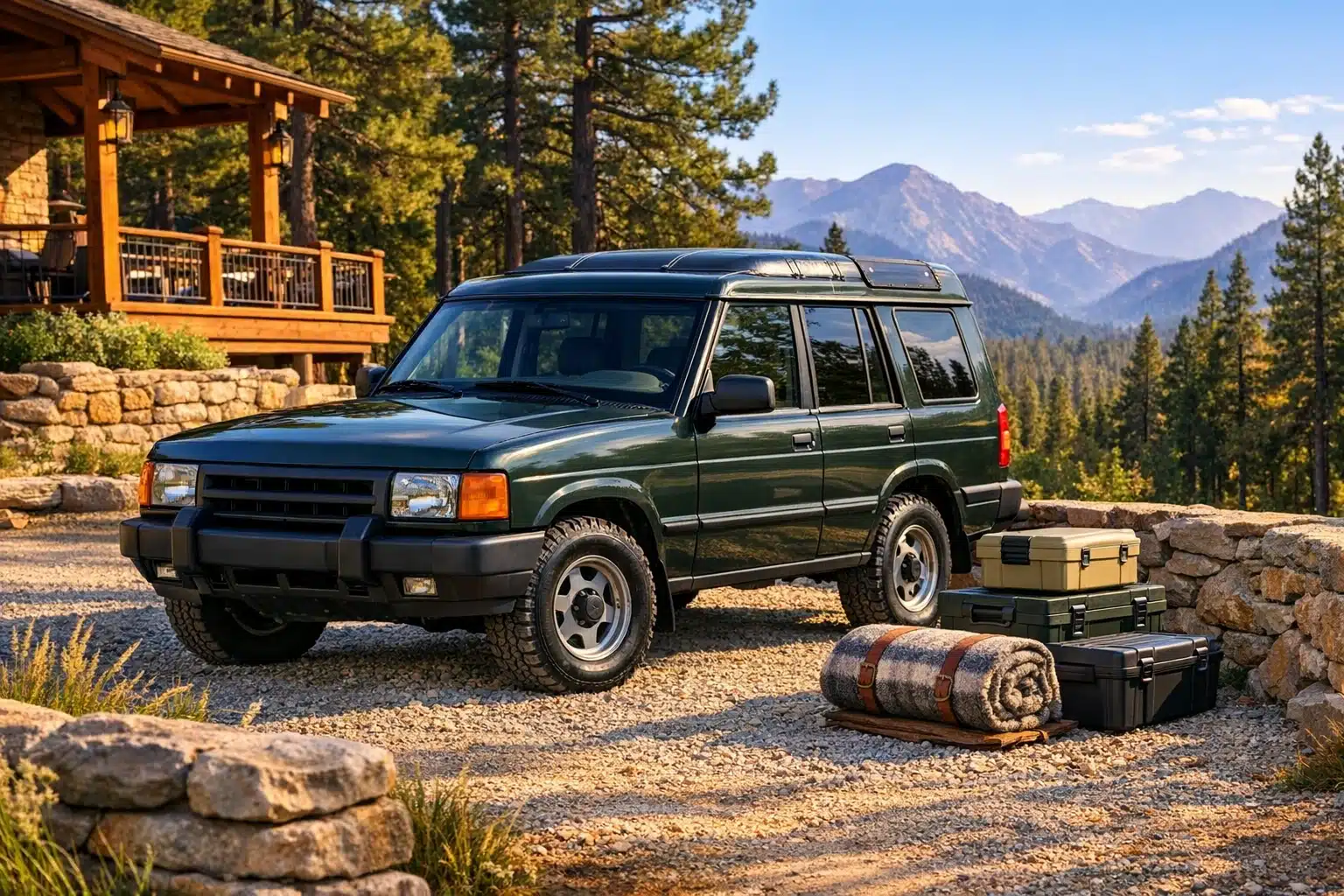
What to Know About Police Impound SUVs
Police impound SUVs sit at an unusual crossroads of public policy, used-car economics, and everyday practicality. To some buyers, they look like hidden deals with roomy cabins, sturdy drivetrains, and prices that seem lower than a dealer lot. To others, they raise fair questions about maintenance history, legal paperwork, and hard prior use. Understanding how these vehicles are seized, stored, released, and sold helps drivers, fleet shoppers, and curious observers make smarter decisions.
Outline: The Five Angles That Matter
Before diving into details, it helps to map the territory. The phrase police impound SUV can refer to more than one thing. In some cases, it means an SUV that was taken into custody by law enforcement after an arrest, abandonment case, unpaid fines, or an investigation. In other cases, people use the phrase loosely to describe former police SUVs that are later resold through public auctions or municipal surplus sales. Those two categories overlap, but they are not identical, and the difference matters when you start talking about value, paperwork, and risk.
This article follows a practical route rather than a sensational one. First, it explains why SUVs are impounded in the first place and what the chain of custody usually looks like from roadside seizure to storage yard. Next, it looks at the vehicles themselves: the kind of wear they tend to show, the equipment they may have, and why an ex-fleet SUV is often very different from a privately owned family crossover. From there, the focus shifts to pricing, auctions, title status, and buyer responsibilities, because a low bid can quickly lose its shine if hidden fees or repairs stack up.
To keep the discussion grounded, the guide also compares impound or former police SUVs with more conventional used vehicles sold by dealers and private owners. That comparison is where the real story lives. A retail SUV may cost more but offer reconditioning, financing options, and a test drive. An impound SUV may cost less up front, yet require patience, mechanical confidence, and a thicker tolerance for uncertainty. One path is tidy and familiar; the other can feel like opening a locked toolbox and hoping the right wrench is inside.
The five sections ahead answer these core questions: • Why do police impound SUVs and how does the legal process work? • What are former police or impounded SUVs usually like in terms of condition and equipment? • How do auctions, titles, fees, and inspections affect the real cost? • What signs separate a sensible purchase from an expensive mistake? • Which buyers are actually well suited to this market? If you read with those questions in mind, the topic becomes far less murky and much more useful.
Why Police Impound SUVs End Up in Lots and What Happens Next
Police do not impound SUVs simply because they are large or valuable; they impound them because a legal reason exists under local or state rules. Common triggers include arrests for certain offenses, driving without proper registration, repeated parking violations, evidence holds, abandonment, or vehicles recovered after theft. In some jurisdictions, unpaid tickets or suspended licenses can also lead to a tow and impound. The SUV is then moved from the street or private property into a controlled storage environment, where the clock immediately starts ticking on fees, notices, and deadlines.
The process usually follows a sequence. First comes the seizure or tow. Next, the vehicle is documented, often with photographs, basic condition notes, and an inventory of visible property inside. After that, agencies or contracted towing companies notify the registered owner and lienholders when required by law. If the vehicle is not reclaimed within the allowed period, the status may change. At that point, it can be released to a lienholder, cleared for auction, transferred for municipal use, or processed as an unclaimed vehicle. Rules vary widely, so there is no single national template that covers every county or city.
Why SUVs are common in impound inventories is not hard to understand. They are among the most widely owned vehicle types in the market, used for commuting, family travel, contracting work, and recreation. Because there are simply more of them on the road, they naturally appear more often in towing and impound systems. Some are ordinary civilian models. Others are former government or police fleet units that reached the end of service and were moved into resale channels. Those former fleet SUVs often have distinct features such as heavy-duty cooling systems, upgraded alternators, reinforced suspensions, and pre-drilled equipment mounting points.
For owners, impound can become expensive fast. Storage fees are usually charged daily, towing charges are separate, and administrative costs may apply before release. For buyers, the important point is different: an impounded SUV is not automatically a bargain or a problem. Its future depends on why it was seized, how long it sat, whether the title is clean, and what happened before it ever entered the lot. The backstory is not just colorful background material. It influences condition, documentation, and whether the vehicle makes sense as a purchase in the first place.
What Former Police and Impounded SUVs Are Usually Like in Real-World Use
Anyone picturing a police impound SUV as either a perfect hidden gem or a completely worn-out machine is missing the middle ground. Most of these vehicles fall somewhere between those extremes. Their appeal comes from utility. They often offer strong engines, roomy interiors, and components designed for harder duty than a typical suburban runabout. Yet that same durability can mask a tough working life. A vehicle may have spent years idling, carrying equipment, hopping curbs, running in heat, or absorbing stop-and-go miles that are rougher than highway cruising.
Former police SUVs are especially distinctive. Models such as the Ford Police Interceptor Utility, Chevrolet Tahoe PPV, and Dodge Durango Pursuit are engineered with fleet use in mind. Compared with many civilian trims, they may include stronger brakes, cooling upgrades, steel wheels, calibrated transmissions, and simplified interiors meant for service rather than comfort. That can be good news if your priority is ruggedness. It can be less attractive if you care more about cabin insulation, soft-touch materials, or a polished ride. The practical truth is simple: these are work boots, not loafers.
Condition varies by agency and maintenance culture. Some departments follow strict service schedules and retire vehicles before major mechanical decline sets in. Others keep them in rotation longer, especially when budgets are tight. Mileage alone is not enough to judge one. A police SUV with moderate odometer readings may still have high engine hours from prolonged idling. Seats can show tears where duty belts rubbed against them, dashboards may have holes from removed electronics, and electrical systems can bear the scars of lights, radios, cages, cameras, and auxiliary wiring once installed for service.
When compared with a civilian used SUV, the tradeoff becomes clearer. A private-owner vehicle may have gentler usage, more complete trim, and easier financing through a dealer. An impounded or ex-police SUV may cost less and bring sturdier hardware, but it often asks more from the buyer after the sale. Helpful signs include: • even tire wear • no major rust on structural points • clean fluid levels • stable idle • predictable shifting • working climate controls. Warning signs include: • hacked wiring • missing VIN labels • salvage branding without explanation • suspension clunks • overheating history. A smart buyer reads an impound SUV like a detective reads a scene: not for drama, but for evidence.
Buying One: Auctions, Titles, Fees, Inspections, and the True Cost
The buying process is where enthusiasm needs a seatbelt. Police impound SUVs are often sold through municipal auctions, contracted online auction platforms, towing-company lien sales, or public surplus events. Each channel has its own procedures, but several rules show up again and again. Vehicles are commonly sold as is, where is, with no warranty. Test drives are rare. Inspection windows can be brief. Payment deadlines are usually strict. In other words, the market rewards preparation more than optimism.
Many first-time bidders focus on the hammer price and overlook the rest. The real cost may include a buyer premium, documentation fees, towing after purchase, taxes, key replacement, battery replacement, tire work, fluid service, detailing, and title or registration costs. If the SUV needs brakes, suspension parts, or electrical cleanup, the gap between bargain and burden narrows quickly. That is why comparison shopping matters. A dealer vehicle might carry a higher sticker price, but it may also include a basic inspection, easier registration support, and financing choices. An auction vehicle can win on price only if repair exposure stays manageable.
Title status deserves special attention. Some impound SUVs have clean titles. Others may carry rebuilt, salvage, lien, or abandoned-vehicle paperwork depending on what happened before resale. That status affects insurance options, resale value, and how smoothly you can register the vehicle. Buyers should verify VIN information through official records or recognized vehicle-history services when possible. They should also confirm whether any emissions or safety inspections are required before legal road use. A vehicle that looks ready to roll may still need administrative work before it is truly yours in a practical sense.
An organized inspection routine helps. Bring a flashlight, a scan tool if allowed, gloves, and a calm checklist. Look for mismatched paint, fluid leaks, frame damage, warning lights, uneven panel gaps, stale fuel odor, and signs of flood exposure such as corrosion in connectors or silt under trim. Listen for cold-start noises if that is permitted. Check whether removed police equipment left open holes in the roof or dash. Useful priorities include: • title clarity • drivetrain health • cooling system condition • brake life • electrical integrity • tire age and wear. The cheapest bid is not automatically the smartest purchase. In this corner of the market, discipline usually saves more money than luck.
Practical Comparisons and a Buyer-Focused Conclusion
So who should seriously consider a police impound SUV? The strongest candidates are buyers who value function over polish and who can assess risk with clear eyes. That might include mechanically experienced drivers, small business owners, rural property owners, hobbyists comfortable with repairs, or families seeking a spacious second vehicle and willing to trade cosmetic refinement for value. By contrast, shoppers who need predictable financing, warranty coverage, or a smooth plug-and-play ownership experience may do better with a conventional dealer purchase.
Compared side by side, the choice often comes down to tolerance. A retail used SUV tends to offer more comfort, better presentation, and a simpler buying path. A police impound or former fleet SUV may offer heavy-duty parts, lower entry pricing, and a certain no-nonsense appeal, but it asks for homework. Think of it as choosing between a ready-made meal and a box of excellent ingredients that still need cooking. One is easier tonight. The other can be rewarding if you know your way around the kitchen.
For the target audience of this topic, the smartest approach is to decide your purpose before you start browsing listings. If you need dependable daily commuting with minimal surprises, set a strict standard for title clarity, service records, and inspection results. If you want an affordable workhorse for hauling tools, camping gear, or winter duty, a former police SUV can make sense when the mechanical basics are solid. If you are buying for resale, remember that public perception matters; some shoppers love the fleet toughness, while others will avoid the category entirely.
The final takeaway is straightforward. Police impound SUVs are not magical bargains, and they are not vehicles to fear on principle. They are opportunities wrapped in procedure, condition questions, and practical math. Buyers who slow down, verify documents, inspect carefully, and budget for follow-up work often make rational purchases. Buyers who chase the lowest price without context can end up owning someone else’s unfinished story. In a market full of noise, that distinction is everything. The best outcome is not getting the cheapest SUV in the yard. It is getting the right one for the job you actually need it to do.