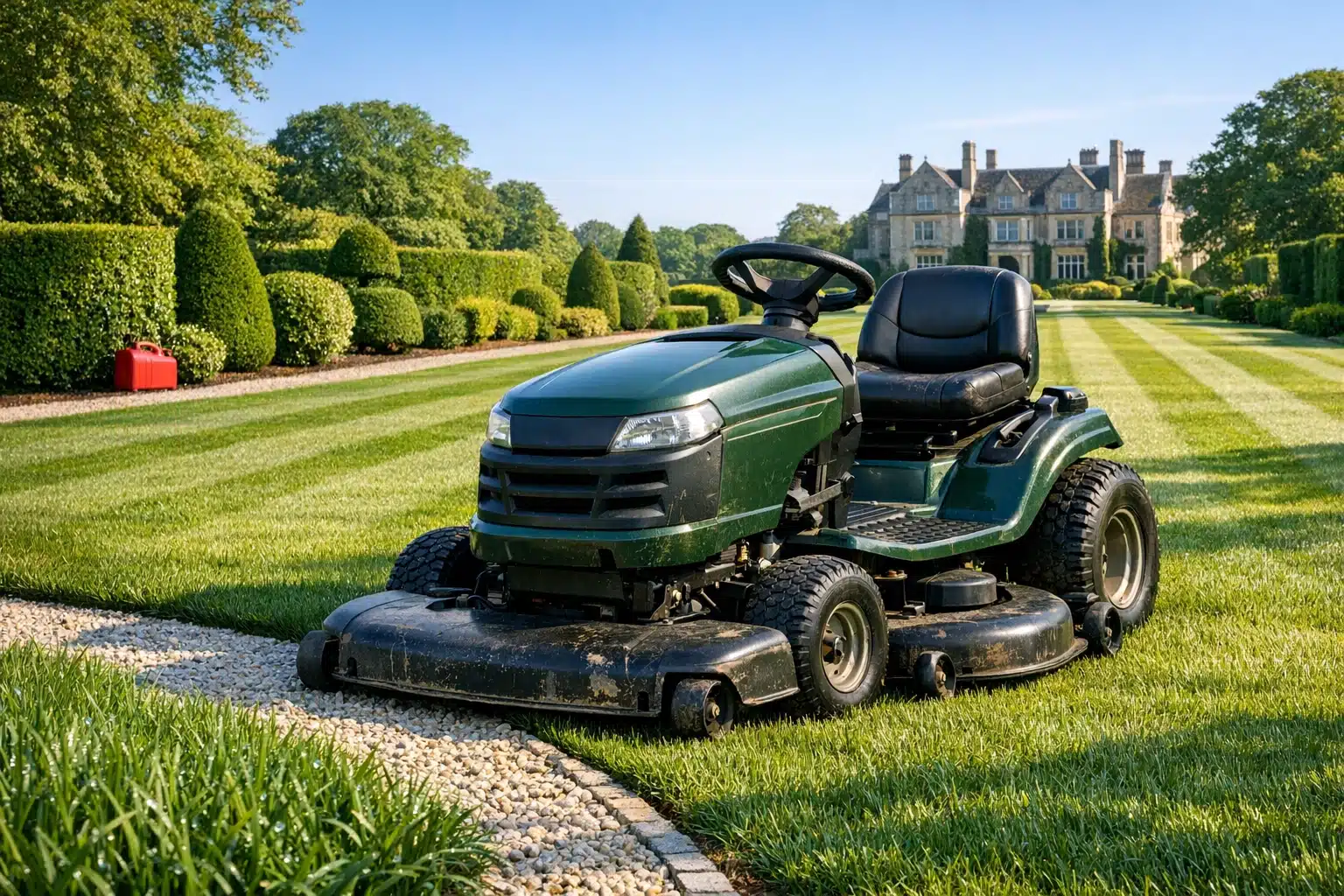
Guide to Repossessed Lawn Mowers
Buying a repossessed lawn mower can feel like walking through a hardware graveyard where some machines still have years of honest work left and others are waiting to ambush your wallet. For homeowners, small landscaping crews, and bargain-focused buyers, the topic matters because repossessed equipment is sold differently from typical used gear and often comes with thin history. Knowing how to inspect condition, compare sale channels, and calculate repair risk turns a tempting price tag into a smart decision. This guide explains the process so you can judge value with open eyes instead of pure optimism.
Outline
This article moves through five practical stages: what repossessed lawn mowers are and why they appear on the market; where buyers usually find them; how to inspect different mower types before bidding or buying; how to calculate real cost beyond the advertised price; and which buyers are most likely to benefit from this route. The goal is simple: help you separate genuine value from avoidable trouble.
Understanding the Repossessed Mower Market
A repossessed lawn mower is typically a machine recovered by a lender, finance company, leasing provider, or other secured seller after the original buyer stopped making payments. That sounds straightforward, but in the real marketplace the label can be used loosely. Some listings describe lender-owned mowers as repossessed, while others apply the term to recovered rental equipment, liquidated dealer stock, or units pulled from failed landscaping businesses. For a buyer, the exact source matters because it shapes the machine’s history, the paperwork available, and the amount of testing you can do before purchase.
The appeal is obvious. Lawn mowers, especially riding tractors and zero-turn models, can be expensive when new. A homeowner shopping for a walk-behind mower may be comparing a few hundred dollars, but anyone moving into a riding mower or commercial-grade machine quickly enters a much higher price bracket. Repossessed equipment can offer a lower entry point, sometimes well below standard used retail, because the seller’s priority is often recovery of remaining value rather than presentation, warranty support, or customer service. In plain language, the mower may be sold because somebody needs it off the books, not because it has been carefully prepared for the next owner.
That is where the risk enters. A repossessed mower may have:
• incomplete maintenance records
• unknown storage conditions
• missing keys, manuals, or accessories
• cosmetic damage from transport or outdoor storage
• mechanical wear that the seller has not investigated in detail
Compared with a private-party sale, a repossessed mower usually comes with less personal history. The advantage is that you are less likely to hear a polished story designed to justify the price. Compared with a dealer-refurbished mower, however, you often give up inspection depth, service work, and short-term guarantees. Think of the trade-off like buying a house at auction versus moving into a certified rental: the price may be attractive, but the burden of discovery shifts toward the buyer.
Timing also influences the market. Repossessed and liquidated outdoor power equipment tends to attract more attention in spring, when grass starts growing and buyers become impatient. In late fall or winter, the same unit may draw fewer bidders in colder regions, which can improve buying opportunities for patient shoppers who already understand what they are looking at. In other words, the mower market has seasons, and the best deal is often found when everyone else has stopped daydreaming about fresh stripes on the lawn.
Where to Find Repossessed Lawn Mowers and How Sales Channels Differ
Finding a repossessed lawn mower is not just about locating inventory; it is about choosing the sales channel that fits your risk tolerance. Some buyers assume the cheapest listing is automatically the best opportunity, but the source of the machine can matter as much as the machine itself. A mower sold through a bank-arranged auction, for example, may come with very little seller knowledge but a transparent bidding process. A mower sold by an equipment dealer on behalf of a finance company may cost more, yet offer better inspection access and better odds that basic service has been performed.
The most common places to find repossessed or lender-owned mowers include regional equipment auctions, online auction platforms, dealer liquidation events, lender or leasing-company surplus sales, and some commercial resale lots. Online marketplaces can also contain repossessed units, though the term is sometimes used casually in ads to create urgency. That means the first question should always be, “Who owns the mower right now, and what documents come with it?” A serious seller should be able to answer clearly.
Each buying channel has its own personality:
• Live auctions often move quickly and reward disciplined bidders who know their ceiling before they arrive.
• Online auctions widen the inventory pool but can hide condition details behind a small gallery of flattering photos.
• Dealer lots may ask more money, yet they sometimes allow test starts, parts checks, or a limited walk-through with a technician.
• Liquidation sellers can produce sharp deals, but inventory quality may vary wildly from one unit to the next.
Fees and logistics deserve equal attention. Auction buyers often face a hammer price plus buyer’s premium, tax, and loading or storage charges if pickup is delayed. Transport is another hidden cost. A small walk-behind mower can fit in a vehicle with care, but a riding mower or zero-turn may require a trailer, loading ramps, tie-downs, and enough towing capacity to move it safely. A cheap machine located two hours away can become much less cheap once fuel, time, and hauling are added.
It is also smart to ask whether inspection windows exist before the sale closes. Some reputable auction houses publish serial numbers, engine hours, and condition notes, while others sell strictly as-is, where-is. That phrase should never be read casually. It means the mower becomes your problem the moment the paperwork clears. The best buyers act less like treasure hunters and more like investigators: they verify ownership, understand fees, note pickup deadlines, and decide in advance whether the channel matches the kind of risk they are willing to carry.
How to Inspect a Repossessed Mower Before You Bid or Buy
Inspection is the point where a bargain either survives scrutiny or quietly falls apart. With repossessed lawn mowers, visual appearance can be misleading. A washed deck and shiny hood may look reassuring, but paint does not mow grass. The core question is whether the machine’s wear matches its claimed age, hours, and intended use. A homeowner mower used lightly on a suburban yard tends to age very differently from a unit that spent three seasons cutting large properties every day. Repossessed equipment often arrives with incomplete background information, so your job is to read the clues the machine cannot hide.
Start with the basics: engine condition, deck integrity, tires, controls, and overall cleanliness. Then move into the category-specific parts that tend to drive repair costs. Walk-behind mowers are mechanically simpler, which lowers risk for many buyers. Riding mowers add steering, drive systems, larger batteries, electrical complexity, and more expensive decks. Zero-turn mowers can be excellent value when bought well, but their transmissions, caster assemblies, deck spindles, and commercial wear points deserve close attention. A low sticker price on a zero-turn is exciting right up until hydrostatic performance feels weak and the repair estimate lands like a brick.
A practical inspection checklist should include:
• start the engine from cold if the seller allows it, because warm starts can hide some issues
• look for oil leaks, fuel seepage, loose wiring, and cracked fuel lines
• inspect the deck shell for rust-through, patch welds, and bent edges
• check blade spindle play and listen for rough bearings
• examine belts, pulleys, and idlers for glazing, fraying, or wobble
• compare tire wear side to side, which can reveal alignment or drive problems
• test engagement of the self-propelled system, PTO, or hydro drive
• verify that safety switches, seat switch, and brake function normally
• note the hour meter, but compare it against pedal wear, seat condition, and control handle wear for consistency
For walk-behind mowers, pay close attention to the deck, wheel adjusters, cable condition, and whether the engine hunts or surges at idle. For riding tractors, inspect the frame around the front axle, steering play, battery tray corrosion, and transmission behavior under load. For zero-turns, focus on smooth tracking, strong response from both drive levers, deck lift hardware, and signs of commercial abuse such as repeated curb strikes or cracked anti-scalp wheel mounts.
Parts availability matters almost as much as condition. A common brand with widespread dealer support can be a safer purchase than an obscure model that requires hard-to-find spindles or discontinued body panels. Serial numbers help confirm the exact model and production range. If possible, look up the parts diagram before you buy. A mower is not just a machine; it is a future maintenance relationship. The more ordinary its service parts, the easier your ownership story will be.
Pricing, Repairs, and the Real Cost of Ownership
The sale price of a repossessed lawn mower is only the opening line of the story. Smart buyers build a full-cost estimate before bidding, because the visible number rarely reflects the total amount needed to make the mower reliable. A walk-behind mower with dull blades, old fuel, and a torn pull cord may need only modest attention. A riding mower with worn deck spindles, a weak battery, cracked tires, and a slipping drive belt can absorb money with surprising speed. Repossessed equipment rewards arithmetic, not enthusiasm.
Start by anchoring yourself with the current market. Look at the price of comparable new models, then compare that with ordinary used listings in your region. As a broad guide, new walk-behind gas mowers often range from a few hundred dollars to well over a thousand depending on engine size and features. Residential riding mowers commonly begin around the low thousands and rise with deck size, transmission quality, and comfort features. Commercial zero-turn machines frequently run into the high thousands or beyond. A repossessed mower can look like a major bargain against those numbers, but the true comparison is not new retail alone; it is the cost of getting your specific unit into dependable operating condition.
A useful formula is simple:
Maximum acceptable price = fair local value after repair minus estimated repair costs minus fees, transport, and a risk buffer.
That risk buffer matters because surprises are common. Belts, blades, filters, oil, spark plugs, and batteries are predictable. Hidden deck damage, transmission weakness, electrical faults, or cracked engine mounts are not. Buyers should also include:
• buyer’s premium or auction fee
• sales tax where applicable
• trailer rental or delivery cost
• replacement of missing accessories such as bags, keys, or discharge chutes
• time spent diagnosing and sourcing parts
There is also a practical difference between cheap and economical. A cheap mower is simply low in price. An economical mower delivers useful service at a total cost that makes sense for your workload. If you mow a small city lot once a week, paying more for a cleaner, better-documented unit may be smarter than gambling on a stripped-down deal. If you run a landscaping business and need a backup machine that can tolerate occasional downtime, a rougher repossessed mower may be perfectly rational.
Keep in mind that seller urgency can create opportunity, especially outside peak mowing season. Still, disciplined buyers do not chase every discount. They decide what the mower is worth after likely repairs, then stop. That restraint is what separates a well-bought machine from a cautionary tale told beside a garage full of spare parts.
Final Thoughts for Homeowners, Landscapers, and Resellers
Repossessed lawn mowers can make excellent sense for the right buyer, but they are not universally good deals. The strongest candidates are usually people who understand machinery, can inspect a mower with patience, and have realistic expectations about cosmetic flaws and minor repairs. Homeowners with some basic tool confidence often do well with repossessed walk-behind or riding mowers, especially when the machine comes from a credible seller and the needed work is limited to normal maintenance items. Landscapers may benefit most when buying backup units, seasonal overflow equipment, or donor machines for parts. Resellers can find value too, but only if they know local demand, brand reputation, and service costs well enough to avoid tying up money in equipment that refuses to move.
On the other hand, some buyers should be more cautious. If you need a mower that must work immediately with minimal risk, a dealer-serviced used machine or even a new entry-level model may be the better fit. The same is true if transport is difficult, storage is limited, or your budget leaves no room for surprise repairs. Repossessed equipment is best approached as a value opportunity, not as a guarantee.
A sound final checklist looks like this:
• confirm who owns the mower and what paperwork is included
• inspect the machine in person whenever possible
• research parts support before committing
• calculate fees, hauling, and first-round maintenance
• set a firm maximum price and respect it
• walk away if the seller cannot answer basic questions clearly
For most readers, the takeaway is reassuring rather than dramatic. You do not need to be a mechanic to shop this market well, but you do need to be methodical. A good repossessed mower is rarely the flashiest one in the row. It is the machine whose condition, price, and repair profile line up with the work you actually need done. If you keep that perspective, you can shop with calm judgment, skip the romantic fantasy of the miracle bargain, and still come home with a mower that cuts cleanly, starts reliably, and earns its place in the shed. That is the real win: not simply buying cheap, but buying wisely.