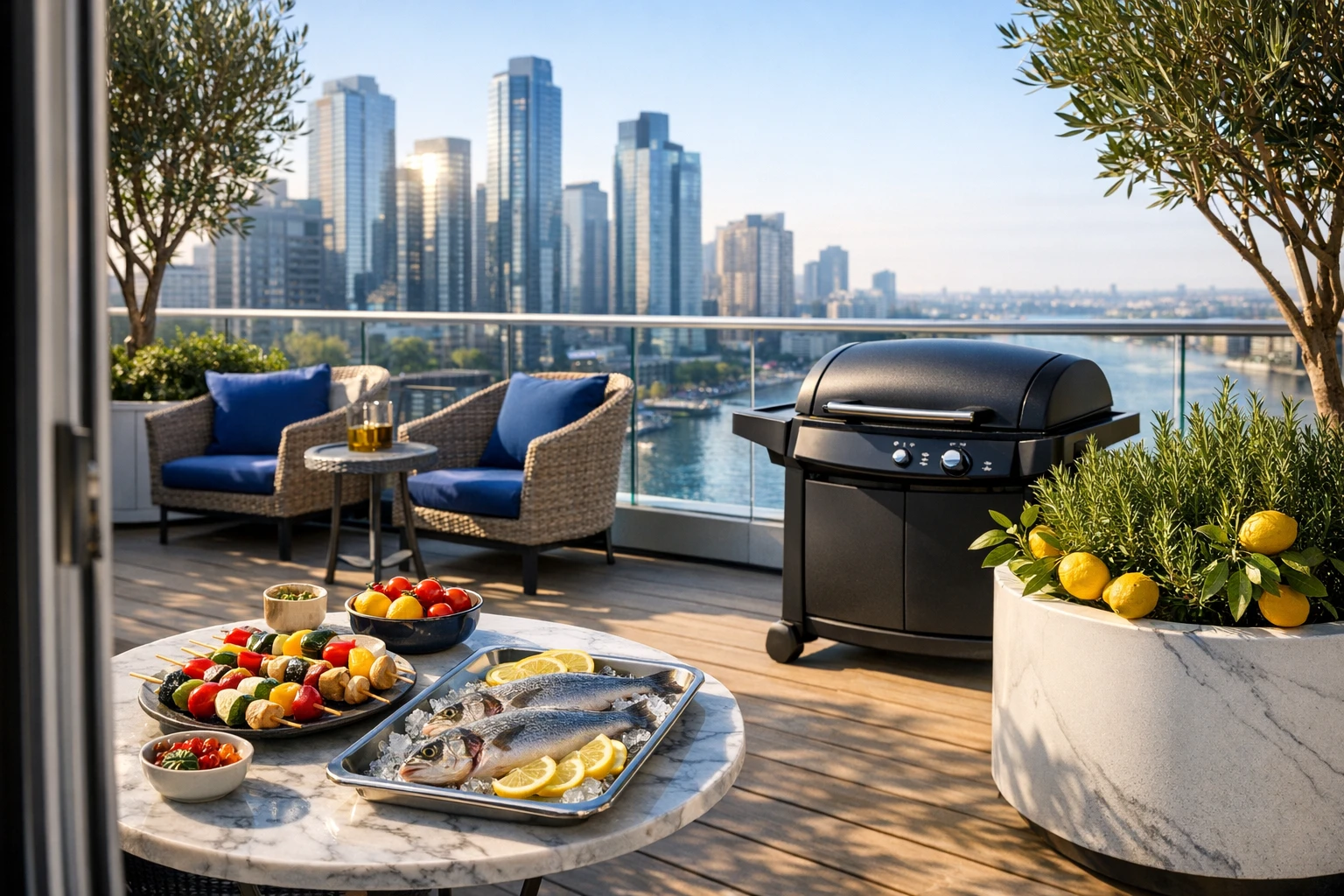
BBQ Grills: A Practical Guide to Choosing the Right Option
Buying a BBQ grill is less about chasing a flashy feature list and more about matching a cooker to the way you actually eat, host, and clean up afterward. A compact gas model may suit busy weeknights, while a charcoal kettle can reward the patient cook with deeper smoky flavor. Pellet units add convenience, ceramic cookers bring remarkable heat retention, and electric grills solve space limits. The sections below map out those differences so the decision feels practical instead of overwhelming.
Article Outline
• The main types of BBQ grills and who each one suits best • The materials, size, and design details that reveal build quality • How grills differ in flavor, temperature control, and everyday cooking performance • What ownership really costs in fuel, maintenance, and safety habits • A practical conclusion that matches grill styles to different households and cooking goals
1. Understanding the Main Types of BBQ Grills
The first decision in grill shopping is also the biggest one: choosing a fuel type and cooking system. That choice determines how fast the grill starts, how much flavor it creates, how much attention it needs, and how often you are likely to use it. In other words, the best BBQ grill is rarely the most expensive model in the store. It is the one that fits your pace, your space, and the kind of meals you enjoy making.
Gas grills remain the most common option for households that want convenience. A standard full-size gas grill often offers two to six burners and roughly 20,000 to 60,000 BTUs of total output, though raw BTU numbers are not everything. Their biggest strength is speed. You open the valve, ignite the burners, and can usually be cooking within 10 to 15 minutes. That makes gas especially useful for burgers, chicken breasts, vegetables, sausages, and weeknight meals when nobody wants to manage a live coal bed after work. The tradeoff is flavor. Gas can still brown food well, but it usually produces a lighter smoke profile than charcoal or wood-fired options.
Charcoal grills speak to a different kind of cook. They take longer to light, require active fire management, and leave ash behind, yet many people accept all of that gladly because charcoal delivers strong radiant heat and a distinctive grilled taste. A basic kettle grill can sear at high temperatures above 600°F, while also handling slower indirect cooking if the coals are banked to one side. Charcoal models are often affordable at entry level, which makes them attractive to beginners who value flavor and do not mind a little ritual. The hiss of fat hitting hot coals is part of the charm; it feels less like pushing a button and more like taking part in a small outdoor craft.
Pellet grills occupy a middle ground between smoky flavor and modern convenience. They burn compressed hardwood pellets fed from a hopper into a fire pot by an electric auger. Many models include digital controllers that hold temperatures in a fairly steady range, often from about 180°F for low-and-slow smoking to 450°F or higher for roasting and grilling. Pellet cookers are excellent for ribs, pork shoulder, brisket, and chicken because they produce wood smoke without requiring the constant babysitting of a traditional offset smoker. Their limitations are worth noting too: they need electricity, they cost more than entry-level charcoal or gas units, and some struggle to deliver the fierce direct sear of a dedicated charcoal setup.
Electric grills are the quiet pragmatists of the category. They are especially useful where apartment rules, covered balconies, or local fire codes restrict open flames. Electric models heat quickly, stay compact, and are easy to operate, but they generally offer a narrower temperature range and less smoke flavor. Ceramic kamado grills, by contrast, are heavy, fuel-efficient, and impressively versatile. With proper airflow control, a kamado can smoke, roast, bake, and sear at temperatures ranging from low barbecue territory to pizza-oven heat. They hold temperature beautifully, but they are heavy, expensive, and slower to master than a simple gas unit. Seen clearly, each grill type tells you what kind of cooking life it supports.
2. What Build Quality and Size Tell You Before You Buy
Once you know which grill category suits you, the next step is learning how to judge construction. This is where many buyers get distracted by shiny lids, oversized knobs, and marketing language that sounds impressive without saying much. A better approach is to focus on the elements that affect durability, capacity, and performance over several seasons. Grill shopping becomes easier when you look at a unit the same way you would inspect a tool: what is it made from, how is it put together, and will it keep working after repeated heat, grease, and weather exposure?
Start with cooking area. Manufacturers often list total square inches, but that number matters only if it reflects your typical use. For one or two people, roughly 240 to 360 square inches of primary cooking space is often enough. Small families frequently do well with 450 to 650 square inches, which can handle a mix of burgers, vegetables, and a few larger cuts without crowding. If you host neighbors, cook in batches, or like indirect setups for larger roasts, a surface above 700 square inches may be worth the footprint. More space is not automatically better, though. A giant grill that is barely filled most of the year uses more fuel and occupies valuable patio real estate.
Materials matter just as much as size. Grates are commonly made from porcelain-coated steel, cast iron, or stainless steel. Cast iron retains heat well and creates attractive sear marks, but it needs more care to avoid rust. Stainless steel grates are easier to maintain and generally last longer, especially in humid or coastal climates. Porcelain-coated options can perform nicely, but chips in the coating may expose the metal underneath. The firebox, lid, and cart also deserve attention. Thin painted steel can work on budget models, yet heavier-gauge steel or quality stainless construction tends to last longer and warp less under repeated heating. Not all stainless is equal either; higher-grade stainless resists corrosion better than decorative, thinner varieties.
Burner layout, vent design, and heat distribution are another layer of the story. On gas grills, evenly spaced burners and solid heat diffusers matter more than inflated BTU claims. A well-designed 36,000 BTU grill can outperform a poorly designed 50,000 BTU one if the heat is better distributed. On charcoal grills, look for adjustable vents, an easy ash management system, and grate designs that allow adding fuel mid-cook. On pellet grills, hopper size affects how long the cooker can run without a refill; a 10-pound hopper may be enough for shorter cooks, while 18 to 20 pounds is more comfortable for long smoking sessions. Kamado buyers should check gasket quality, hinge stability, and the sturdiness of the stand, because a heavy ceramic body needs proper support.
Several practical details often separate satisfying ownership from daily annoyance: • Shelves and prep space make a real difference when handling trays, sauces, and utensils. • A lid thermometer is convenient, but a separate digital probe is usually more accurate. • Solid wheels and locking casters matter if the grill needs to move across stone, wood, or concrete. • A grease management system is not glamorous, yet it can save major cleanup time.
In the store or online, it is tempting to compare only headline features, but the small engineering choices deserve equal weight. Handles, hinges, shelves, tray fit, and ease of cleaning all shape whether a grill becomes a regular companion or a large metal object that you slowly resent. Good build quality is not just about longevity. It is about how smoothly every cook begins and ends.
3. How Different Grills Perform in Real Cooking Situations
A grill can look excellent on paper and still disappoint once food hits the grate. Real performance shows up in three places: how a grill handles heat, how it creates flavor, and how forgiving it feels during an actual cook. This is where technical specifications meet dinner. A model that struggles to recover heat after the lid opens, flares aggressively over fatty foods, or produces hot spots across the cooking surface may frustrate even if its marketing materials sound polished. The right choice depends on what you cook most often and how much hands-on involvement you enjoy.
Gas grills shine in fast, flexible cooking. They are particularly strong for direct grilling over medium to high heat, which suits foods that finish within 10 to 25 minutes. Think burgers, shrimp skewers, pork chops, sliced zucchini, corn, or boneless chicken thighs. Their burners also make two-zone cooking simple: one side on, one side off. That setup lets you sear first, then slide food to gentler heat to finish without burning. This matters for thicker cuts like chicken pieces or large sausages. Still, gas grills vary widely in how evenly they heat. Some run much hotter in the back or directly above the burner tubes, so knowing how your grill behaves becomes part of the craft.
Charcoal brings a different character. Because the heat comes from a bed of live coals, it can produce a deeper crust on steaks and a more pronounced grilled aroma. Charcoal also rewards cooks who understand airflow. Open the vents, and the fire intensifies; restrict oxygen, and temperatures settle lower. That makes a kettle grill surprisingly versatile. You can bank coals on one side for indirect roasting, place a drip pan beneath a whole chicken, add wood chunks for smoke, or build a concentrated zone for serious searing. The learning curve is steeper than with gas, but the results often feel more alive, as though the meal picked up a trace of firelight on the way to the plate.
Pellet grills are built for steadiness. They are often at their best when cooking larger cuts that benefit from hours of even heat. Brisket, ribs, turkey, pork shoulder, and even casseroles or baked dishes can thrive in a pellet cooker because it behaves almost like an outdoor convection oven with smoke. Many users love the set-it-and-adjust-it simplicity of digital controls, especially when trying to hold temperatures around 225°F to 275°F for long sessions. The flavor is usually milder than what a charcoal pit with wood chunks can create, but it is authentic wood smoke and far more hands-off than tending coals all afternoon.
Kamado grills excel when versatility and heat retention are priorities. Their thick ceramic walls hold warmth so efficiently that they can perform well in cooler weather and use surprisingly little charcoal over time. A kamado can roast a chicken at moderate heat, smoke a pork shoulder low and slow, then jump to pizza-friendly temperatures well above 600°F. Electric grills, meanwhile, are best seen as practical specialists. They may not deliver the drama of glowing coals or the all-day smoke of a pellet unit, but they can cook burgers, vegetables, fish, and kebabs reliably in settings where other grills are simply not allowed. Performance is not just a matter of maximum heat. It is the match between what the grill does best and what you actually want for dinner.
4. Budget, Fuel, Maintenance, and Safety in Long-Term Ownership
The price tag on a showroom floor is only the opening number. Owning a BBQ grill includes fuel, accessories, cleaning supplies, replacement parts, and the occasional lesson learned when weather or grease buildup gets ignored for too long. A practical buyer looks beyond the initial purchase and asks a better question: what will this grill cost, require, and demand over the next three to five years? That longer view often changes the answer.
Entry-level charcoal grills are usually the most affordable path into real outdoor cooking, with many basic models priced below $200. Gas grills span a wide range, often beginning around $250 for smaller two-burner units and rising well past $1,000 for larger, sturdier versions with side burners, sear zones, or rotisserie kits. Pellet grills commonly start in the mid-hundreds and climb significantly with heavier construction, smarter controllers, and larger hoppers. Kamado grills tend to cost more upfront because of their ceramic build, while electric grills are often modestly priced but can vary depending on size and intended use. The grill itself is only part of the picture. Covers, thermometers, chimney starters, griddles, cleaning brushes, spare drip trays, and quality utensils can add meaningful cost.
Fuel expenses are easy to underestimate. A standard 20-pound propane tank can power many average gas cooks before needing a refill, making gas relatively convenient and predictable. Charcoal cost depends on the brand, quantity, and whether you use briquettes or lump charcoal. Lump often burns hotter and leaves less ash, while briquettes are uniform and easy to manage. Pellet grills require food-grade wood pellets, and long smoking sessions can use more than new owners expect, especially in cold or windy weather. Electric grills shift the fuel conversation toward power access and extension-cord practicality rather than bagged fuel.
Maintenance is where grill satisfaction is either protected or slowly lost. Neglect turns good equipment into unreliable equipment. Grease buildup increases flare-up risk, ash can trap moisture, and exposed metal corrodes faster than many people realize. A few simple habits can extend life noticeably: • Brush or scrape grates after cooking while they are still warm. • Empty grease trays regularly rather than waiting for overflow. • Remove charcoal ash once fully cool, since leftover ash attracts moisture. • Keep pellets dry at all times; damp pellets can swell and jam the auger. • Cover the grill when not in use, but let it cool completely first.
Safety deserves equal attention. Never use a charcoal or gas grill indoors or in enclosed spaces because combustion produces dangerous gases, including carbon monoxide. Keep grills a safe distance from siding, railings, dry plants, and overhead structures unless the manufacturer clearly states otherwise. Check propane connections for leaks by using a soapy water test, not an open flame. Manage grease before it becomes fuel for an unwanted fire. Dispose of cooled ash in a metal container, not a paper bag or plastic bin. These steps sound basic because they are basic, and basic routines are what prevent accidents. The most enjoyable barbecue season is usually the one with fewer emergencies, fewer repairs, and less last-minute cleaning drama.
5. Which BBQ Grill Fits Your Life? A Practical Conclusion for Real Buyers
After all the comparisons, the final choice comes down to lifestyle more than theory. The grill that makes one household happy can be the wrong purchase for the next. A family that cooks twice a week after work needs something very different from a hobbyist who enjoys tending a fire on slow Sunday afternoons. That is why the smartest buying process starts with a few plain questions rather than a search for the most talked-about model.
Ask yourself these five things before making the decision: • Where will the grill live: a balcony, a small patio, a backyard, or a larger outdoor kitchen area? • What do you cook most often: quick burgers and vegetables, thick steaks, whole chickens, or long-smoking cuts? • How many people do you normally feed? • How much time do you want to spend lighting, managing, and cleaning the cooker? • What budget feels comfortable not only for purchase, but also for fuel and accessories?
If you are a renter, apartment resident, or anyone working with tight space and strict building rules, an electric grill may be the easiest answer, with a compact gas model being the next step up where open flames are permitted. If you want dependable weeknight cooking and minimal fuss, gas remains the most practical all-rounder. For buyers who care deeply about smoke flavor, intense searing, and that unmistakable charcoal aroma, a kettle or similar charcoal grill offers tremendous value and versatility. If your idea of a good weekend includes ribs, brisket, pork shoulder, or all-day outdoor cooking with digital control, a pellet grill deserves serious attention. And if you want one cooker that can smoke low, roast evenly, and climb to fierce heat for pizza or steak, a kamado may be worth the higher initial cost.
There is also a personality factor that should not be ignored. Some people want a grill to behave like a reliable kitchen appliance placed outdoors. Others want fire management to be part of the pleasure. Neither approach is better. They simply lead to different purchases. A grill should invite you to cook more often, not make you feel guilty for owning something too demanding or too limited. The best sign that you chose well is simple: you keep using it.
For most readers, the right grill is the one that matches available space, fits the menu you cook repeatedly, and feels realistic to maintain through an entire season. Think about your routine before your wishlist. A modest grill used often is far more valuable than an ambitious setup that sits idle under a cover. Choose for your habits, your budget, and your appetite, and your backyard meals will start making a lot more sense.