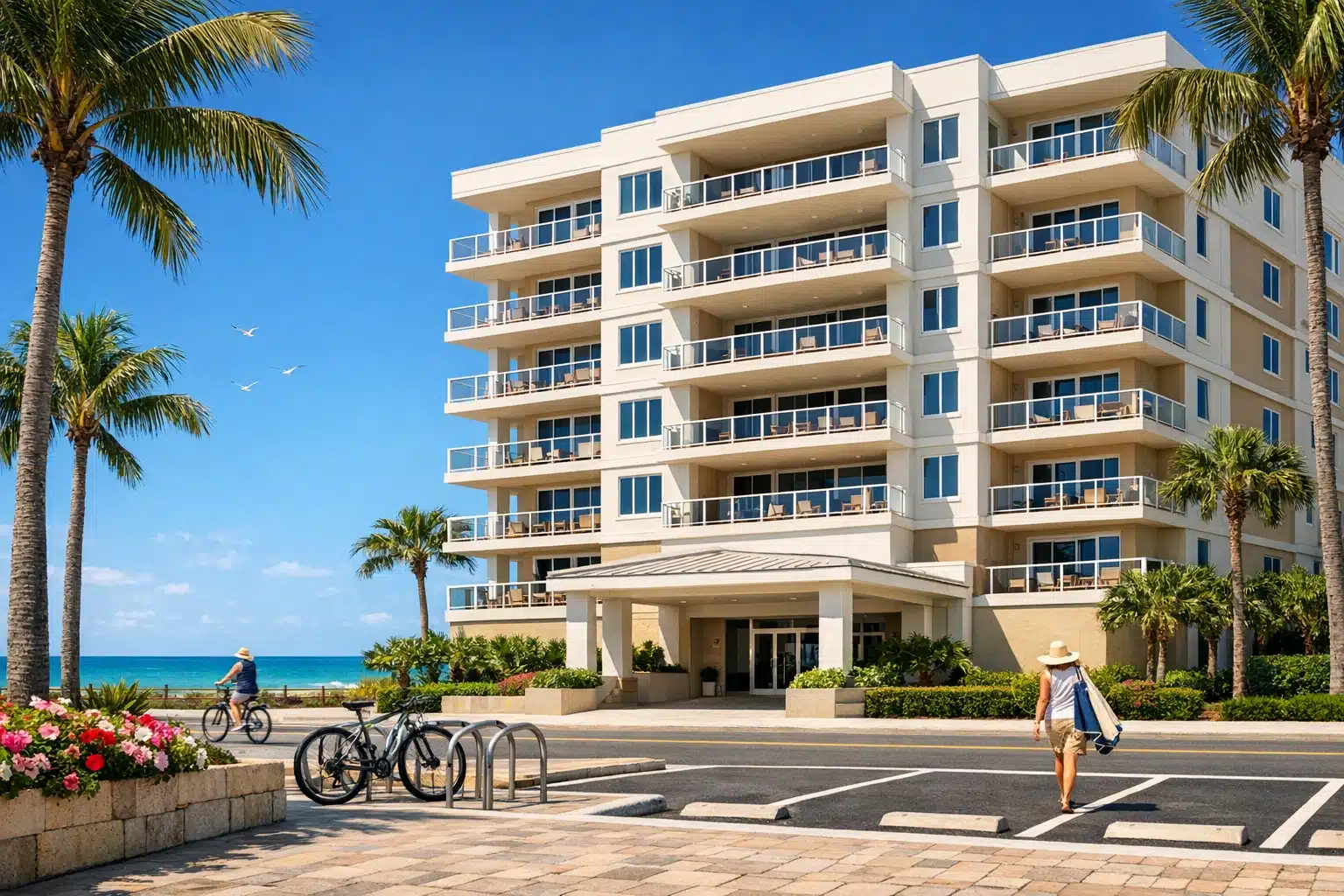
Oceanfront Rental Apartments Made Simple: A Complete Guide to Finding Your Perfect Seaside Home
Finding the right oceanfront rental apartment feels romantic at first glance, yet the real decision depends on far more than a postcard view. Rent levels, flood exposure, commute time, building upkeep, and lease details can quickly reshape what looks like a dream listing. This guide turns that search into a practical process by showing how to compare locations, costs, and contracts with confidence. If you want sea air without avoidable surprises, the sections below will help you choose wisely.
Before diving into listings, it helps to know the road map. This article follows a clear outline so you can move from inspiration to decision without getting lost in glossy photos or vague descriptions.
- Define what your ideal seaside home actually needs to provide.
- Build a budget that includes the full monthly and move-in cost.
- Compare neighborhoods, building quality, and true waterfront value.
- Review lease terms carefully and complete practical due diligence.
- Use a smart decision framework to choose, negotiate, and move with confidence.
1. Start With Your Real Priorities, Not Just the View
The ocean has a persuasive voice. One balcony photo at sunset can make almost any apartment look like the answer to your next chapter. That is exactly why the first step should be defining your priorities before you fall in love with a listing. A rental search becomes much easier when you know the difference between what feels nice and what truly matters every day.
Begin by separating your needs into three groups: non-negotiables, strong preferences, and nice extras. Non-negotiables are practical items that would make or break your living situation. These often include commute distance, number of bedrooms, parking, elevator access, in-unit laundry, pet rules, internet reliability, and year-round habitability. Strong preferences may include a balcony, furnished interiors, a gym, or direct beach access. Nice extras are the features that delight you but should not justify a poor financial or logistical choice.
- Non-negotiable: safe building access, workable rent, stable lease terms
- Preference: updated kitchen, pool, storage locker, bike room
- Extra: rooftop lounge, designer furniture, resort-style branding
It also helps to define the lifestyle you actually want. Some people picture calm morning walks, reading near open windows, and a slower routine shaped by tides and weather. Others need quick access to downtown jobs, schools, nightlife, or transit. An apartment can be oceanfront and still be a bad fit if the surrounding area is noisy, crowded with seasonal visitors, or too isolated for daily errands. The sea may be timeless, but your grocery run still has a timetable.
Think carefully about how often you will use the beach itself. If you swim, surf, paddle, or jog along the shore several times a week, direct access may justify a higher price. If you mainly want natural light and a coastal atmosphere, a building one or two streets back may offer better value with fewer maintenance issues. This distinction matters because “oceanfront,” “ocean view,” and “near beach” often command very different rents.
Finally, define your rental timeframe. A short-term furnished apartment may suit remote workers or people relocating gradually, but monthly rates are often higher. Long-term leases can provide stability and lower monthly costs, though they require more commitment. By the time you start browsing listings, you should know what kind of home supports your schedule, budget, and habits. That clarity is powerful. It turns your search from a daydream into a strategy.
2. Budget for the Full Cost of Seaside Living
One of the most common mistakes in apartment hunting is treating rent as the whole story. With oceanfront rentals, that mistake becomes even more expensive because seaside living often carries extra costs that inland apartments do not. A financially sustainable choice begins with a complete budget, not a hopeful guess.
Start with the monthly rent, but do not stop there. Ask what is included and what is not. Some landlords include water, trash service, or parking, while others charge separately for nearly everything. In coastal areas, utility costs can shift noticeably depending on air conditioning use, building age, insulation quality, and exposure to wind and sun. Older beachfront buildings can be charming, but charm does not pay an oversized electric bill.
Typical cost categories to estimate include:
- Base rent
- Security deposit and possible last month’s rent
- Application fees and move-in fees
- Parking, storage, or amenity charges
- Electricity, water, gas, and internet
- Renter’s insurance, including any coastal or flood-related considerations
- Furnishing costs if the apartment is unfurnished
A useful benchmark in many housing discussions is to keep housing costs around 30 percent of gross income, though real-world thresholds vary by city and personal obligations. In competitive coastal markets, renters sometimes stretch higher, but the trade-off is less breathing room for savings, transportation, food, or emergencies. Landlords also commonly look for income that is roughly 2.5 to 3 times the monthly rent, so your budget should reflect both affordability and approval criteria.
Seasonality matters too. In tourist-heavy destinations, a unit may seem attractively priced in the off-season but rise sharply for shorter leases during peak months. Furnished apartments, especially those marketed toward temporary residents, remote workers, or winter escape renters, often cost more per month than comparable unfurnished long-term units. If your goal is stability, ask whether the quoted rent applies for twelve months or only part of the year.
It is also wise to budget for the less glamorous side of coastal life. Salt air can increase wear on cars, bikes, outdoor furniture, and even some electronics over time. Storm preparedness may require extra supplies, and buildings in exposed areas can experience occasional service disruptions after severe weather. None of this means oceanfront renting is a poor choice. It simply means the sea breeze comes with real-world arithmetic.
When you know the full monthly number, not just the headline rent, you can compare listings honestly. That clarity protects you from choosing an apartment that looks luxurious in photos but feels stressful by the second rent cycle.
3. Learn How to Judge Location, Building Quality, and True Oceanfront Value
Not all seaside rentals deliver the same experience, even when listings use similar language. One apartment may sit directly on the water with uninterrupted views, another may face a parking lot with a narrow angle of blue between two towers, and a third may be technically close to the beach but separated by a busy road. In coastal real estate, wording matters, and your ability to interpret it can save time, money, and disappointment.
Start by clarifying the location label. “Oceanfront” usually implies direct frontage on the water. “Ocean view” means you can see the water, but not necessarily from every room or at every time of day. “Beach access” may involve a short walk rather than immediate frontage. Ask for a floor plan, unit orientation, and recent window or balcony photos taken from the actual apartment rather than from a rooftop deck or common area. Marketing language can be poetic; your lease will be literal.
Neighborhood character is just as important as the waterline. Some beach districts are lively and social, packed with restaurants, bars, music, rentals, and heavy seasonal traffic. Others are quiet, residential, and built around early mornings, dog walks, and low-key routines. Visit at different times if possible: weekday morning, weekend afternoon, and evening. A street that feels peaceful at 10 a.m. on Tuesday may sound very different on Saturday night.
When evaluating the building, coastal durability should be part of your checklist. Sea air, humidity, and strong weather patterns can accelerate wear. Look for signs of good maintenance such as sealed windows, solid railings, functioning drainage, well-kept common spaces, and updated exterior materials. Ask how the property handles storms, power outages, or flooding concerns. Buildings designed for waterfront conditions often include practical features that do not show up in glamorous listing captions but matter enormously in daily life.
- Check window quality and how well they close against wind and moisture.
- Notice any musty odor that may suggest ventilation or moisture problems.
- Look at exterior metal surfaces for corrosion or deferred maintenance.
- Ask about elevator reliability, backup systems, and maintenance response time.
Noise is another hidden variable. Waves may sound peaceful, but beach traffic, nightlife, delivery vehicles, and tourism can create a very different soundtrack. Corner units, higher floors, and buildings with better insulation often provide a calmer living experience. Also think about practical geography: grocery stores, pharmacies, public transit, schools, and medical services. A breathtaking location becomes less convenient when every routine errand turns into a long drive.
True oceanfront value comes from fit, not just proximity. The best apartment is not automatically the closest one to the sand. It is the one that balances scenery, comfort, resilience, and everyday usefulness in a way that supports the life you actually live.
4. Read the Lease Carefully and Do Thorough Due Diligence
Once you find an apartment that seems promising, the search enters its most important phase: verification. Beautiful photos and friendly showings create momentum, but the lease determines how that apartment functions in real life. This is the stage where careful renters protect themselves from vague promises, surprise costs, and frustrating restrictions.
Read the lease slowly, line by line. Focus first on rent amount, payment dates, security deposit terms, lease length, renewal conditions, and penalties for late payment or early termination. If a landlord or agent verbally promised parking, storage, appliance replacement, painting, beach access, or specific repairs, make sure those terms are documented clearly. If it is not in writing, treat it as uncertain.
Pay special attention to clauses that matter more in coastal properties. Moisture, mold response, storm procedures, maintenance responsibilities, and access rules can all have greater relevance near the water. Ask what happens if severe weather temporarily affects the building. Clarify who handles repairs for leaks, salt-related wear, or appliance issues caused by environmental exposure. In a well-managed property, these questions will be answered directly rather than brushed aside.
- Is renter’s insurance required, and what coverage minimum applies?
- Are pets allowed, and what deposits or breed rules exist?
- Can guests stay for extended periods?
- Is subletting prohibited, restricted, or allowed with approval?
- Who is responsible for pest control, HVAC servicing, and minor repairs?
Due diligence should extend beyond the paper contract. Research the landlord, management company, or building name online. Look for patterns in resident reviews rather than reacting to one dramatic comment. Repeated complaints about unreturned deposits, slow repairs, water intrusion, broken elevators, or poor communication deserve attention. If local regulations allow, check whether the property has a history of code issues or unresolved maintenance problems.
During the viewing, test what you reasonably can. Open cabinets, run faucets, flush toilets, inspect window seals, check cell signal strength, and ask how trash collection, package delivery, and parking actually work. If the unit is furnished, request an inventory list. Take photos before move-in so the condition is documented from day one.
If anything in the lease feels unclear, ask for clarification in writing. If the agreement is complex or the rent commitment is large, consulting a qualified local housing professional or attorney can be sensible. This is not about being suspicious for the sake of it. It is about respecting the fact that a rental contract governs your home, your money, and your peace of mind. A little diligence before signing can prevent months of stress after unpacking.
5. Make the Final Choice With Confidence: Search Smart, Compare Well, and Move In Prepared
By the time you have defined your priorities, calculated the real cost, inspected the location, and reviewed the lease, you are ready for the final decision. This last stage is where many renters either gain clarity or get overwhelmed by too many tabs, too many photos, and too many opinions. The solution is a decision framework simple enough to use and detailed enough to trust.
Create a shortlist of your top three to five apartments and compare them side by side. Instead of relying on memory, score each option against the factors that matter most to you. For example, you might rate price, commute, view quality, building condition, storage, noise level, lease flexibility, and neighborhood convenience on a scale from one to five. This approach turns vague feelings into visible trade-offs. A unit with the best balcony may lose ground if it has poor parking, weak maintenance, and a punishing commute.
When appropriate, negotiate respectfully. Some landlords may be open to modest concessions, especially if a unit has been listed for a while or if you are a strong applicant. You may not get a lower rent in a tight market, but you might secure a parking space, minor repairs before move-in, updated appliances, a longer lease at a stable rate, or reduced move-in fees. Polite, well-informed questions often work better than aggressive bargaining.
As you prepare to commit, think beyond the first month. Ask yourself whether the apartment will still suit your routines in winter, during storm season, after a busy work period, or when guests visit. Seaside living is magical on a breezy afternoon, but the right choice also supports ordinary Tuesdays, grocery runs, video calls, and rainy weekends. The goal is not simply to rent near the water. It is to build a life that remains functional and enjoyable after the novelty settles into normality.
Before move-in day, keep a practical checklist:
- Confirm utility setup dates and internet installation.
- Document apartment condition with photos and notes.
- Review parking, key access, and building entry instructions.
- Ask about storm alerts, evacuation guidance, or emergency contacts if relevant.
- Measure doorways and elevators for furniture delivery.
For renters dreaming about a place where morning light spills across the floor and the horizon feels like part of the room, this process is worth doing carefully. The ideal oceanfront apartment is not merely the prettiest listing on your screen. It is the home that matches your finances, your routines, your tolerance for coastal quirks, and your hopes for daily life. Choose with open eyes, steady numbers, and a little imagination, and your perfect seaside home becomes much easier to recognize when it appears.