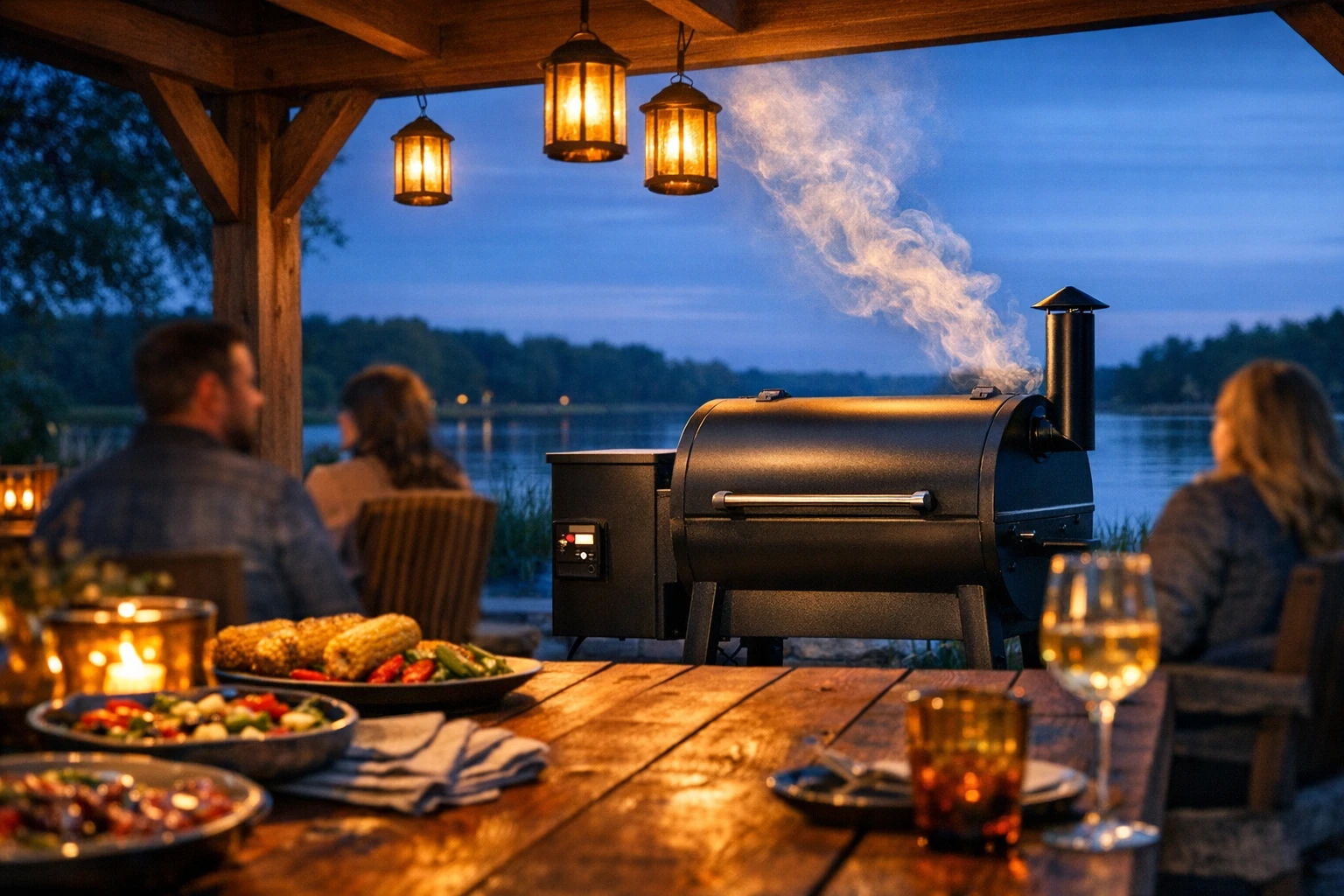
Outdoor BBQ Grill Guide for Homeowners
Why an Outdoor BBQ Grill Matters and Article Outline
An outdoor BBQ grill can turn a plain patio into a place where weeknight dinners, birthday lunches, and slow Sunday cookouts feel easier to host. For homeowners, the right grill is not just a cooking tool; it shapes maintenance needs, fuel costs, safety, and how often the backyard actually gets used. This guide compares the main grill options, key features, and practical buying factors so you can choose with more confidence and fewer expensive surprises.
For many households, grilling sits at the intersection of convenience and lifestyle. A dependable setup can help move heat and smoke outside during summer, free up kitchen space during gatherings, and make casual entertaining feel less formal. Instead of cooking in shifts on a stovetop, a homeowner can grill burgers, vegetables, and skewers in one session while staying part of the conversation. In a broader home-improvement sense, an outdoor grill also supports better use of decks, patios, and garden seating areas. Even a modest cart-style model can turn a neglected corner of the yard into a functional destination.
Relevance also comes from the number of choices now on the market. Homeowners can choose between quick-lighting gas grills, flavor-rich charcoal cookers, pellet units with digital controls, and smaller electric options for tighter spaces. Prices range from entry-level models that suit occasional use to heavy-duty stainless units designed for years of regular entertaining. That variety is helpful, but it also makes buying more confusing. A grill may look impressive in a store yet fail to match the owner’s space, budget, or cooking habits.
To keep the decision clear, this article follows a simple outline:
First, compare the major grill types and the cooking experience each one offers.
Second, look at size, cooking area, placement, and how to match a grill to household needs.
Third, evaluate materials, build quality, and the features that affect real performance.
Fourth, review total costs, upkeep, and safety practices that matter after the purchase.
Finally, close with a practical conclusion aimed at homeowners who want value, durability, and enjoyable outdoor use.
Think of a grill as part appliance, part gathering point. When the lid opens and the first wave of heat rolls out, it is not only about dinner; it is also about how a home feels when people want to linger outside a little longer. That is exactly why the buying decision deserves careful thought.
Comparing Grill Types for Home Use
The first big choice is grill type, because fuel changes almost everything: flavor, convenience, learning curve, startup time, and ongoing cost. Gas grills remain the most common option for homeowners because they are fast and predictable. Most models preheat in roughly 10 to 15 minutes, temperature adjustments are simple, and cleanup is usually easier than with charcoal. A typical two- to four-burner gas grill provides enough cooking area for everyday family meals, and many fall in the 400 to 700 square inch range when warming racks are included. For busy households, that convenience is hard to ignore.
Charcoal grills offer a different appeal. They take longer to light and require more hands-on temperature management, yet many people still prefer the deeper smoky flavor and higher searing potential. A common 22-inch kettle grill can comfortably handle a small family dinner or a larger batch of food when arranged carefully with direct and indirect heat zones. Charcoal also encourages a more deliberate pace. The cook watches the fire, adjusts vents, and works with heat like a craft rather than a switch. For some homeowners, that ritual is half the fun.
Pellet grills sit somewhere between old-school flavor and modern ease. They burn compressed wood pellets fed automatically from a hopper into a fire pot, while an electronic controller helps stabilize heat. Many pellet grills shine in the low-and-slow range for ribs, pork shoulder, and brisket, though some newer models also offer stronger searing capability. Homeowners who want a smoker-like profile without managing a full wood fire often find pellet grills especially attractive. The trade-off is dependence on electricity, more moving parts, and usually a higher entry price than a basic gas or charcoal model.
Electric grills fill a smaller but important niche. They are often chosen for balconies, compact patios, or places where open-flame restrictions apply. Flavor development is usually milder, and cooking space is more limited, but convenience is high and startup is straightforward. Kamado grills, meanwhile, use thick ceramic walls to retain heat with remarkable efficiency. They can grill, roast, and smoke exceptionally well, but they are heavy, costly, and often better suited to owners who truly enjoy learning temperature control.
Here is a practical way to compare them:
Gas: best for speed, easy temperature control, and frequent weeknight use.
Charcoal: best for classic BBQ flavor, strong searing, and hands-on cooking.
Pellet: best for smoked food, digital convenience, and versatile long cooks.
Electric: best for small spaces and locations with stricter fire rules.
Kamado: best for enthusiasts who want versatility and excellent heat retention.
The right answer depends less on trends and more on behavior. If a homeowner grills twice a week after work, gas may be ideal. If weekends are made for slow fire and smoke curling into the evening air, charcoal or pellet often feels more satisfying.
Choosing the Right Size, Layout, and Placement
Once fuel type is clear, size becomes the next crucial decision. Many buyers focus on total burner count or headline BTU numbers, but those figures alone can mislead. A grill with very high BTUs is not automatically better if heat is poorly distributed or the body leaks warmth. Cooking surface area, grate design, lid height, and available prep space often matter more in daily use. For a household of two to four people, a grill with around 400 to 500 square inches of primary and secondary cooking area is often enough. For families who entertain regularly, 500 to 700 square inches can feel more comfortable because it leaves room for mixed menus, such as chicken on one side and vegetables on the other.
Placement deserves equal attention. A grill should not be treated like a decorative accessory pushed into any open corner. It needs stable ground, safe clearance from walls and railings, and reasonable access to serving space. Gas grills usually benefit from a location that makes propane tank replacement or natural gas hookup practical. Charcoal and pellet models need thoughtful smoke management, especially in smaller yards or near neighbors. Even a beautiful grill becomes annoying if every cooking session leaves the cook squeezed between a fence and a hot lid.
Homeowners should also match the grill to the rhythm of the home. A compact patio may favor a two-burner gas grill or a kettle model with a smaller footprint. A larger yard can support a wide cart grill, a prep table, and perhaps a dedicated seating zone. If the backyard serves as a social hub, side shelves and nearby counter space can make a surprising difference. Chopping boards, trays, tongs, and platters need a place to land. Without that workspace, outdoor cooking becomes a balancing act.
Useful planning questions include:
How many people do you usually cook for, not just on holidays but on ordinary days?
Will the grill stay in one place year-round, or must it move for storage or weather?
Do you need room for indirect cooking, warming, or smoking larger cuts?
Is your patio open enough to disperse smoke and heat comfortably?
Do local building rules, landlord terms, or HOA guidelines limit open-flame equipment?
There is also a visual side to sizing. A grill that is too small can feel frustrating, yet one that overwhelms the patio can make the whole area look crowded. The best setup feels proportionate, like a well-placed piece of furniture that happens to produce excellent food. In practical terms, homeowners should measure the grill footprint, lid clearance, and walking space before buying. Leaving at least a few feet around the grill for safe movement is a smart baseline. A thoughtful layout improves safety, comfort, and the odds that the grill will be used often rather than admired from the window.
Materials, Build Quality, and Features That Actually Matter
A grill’s long-term value is heavily shaped by materials and construction. This is where many homeowners separate marketing shine from real durability. Stainless steel is popular, but not all stainless is equal. Higher-quality grades generally resist rust and staining better, especially in humid or coastal climates. Painted steel can look sharp at first and keep prices down, yet it is more vulnerable to chips and corrosion over time. Porcelain-coated steel offers a middle ground, providing a protective finish that can perform well when maintained properly. Cast aluminum bodies, found on some well-built grills, resist rust and hold heat effectively without the weight of thicker steel.
Grates also deserve close inspection because they directly affect cooking performance. Cast iron grates retain heat well and produce strong sear marks, but they need regular care to prevent rust. Stainless steel grates are easier to maintain and are often preferred by owners who want lower upkeep. Porcelain-coated cast iron can work very well too, although chipped coating may shorten lifespan. Burners should be evenly spaced and solidly made; stainless burners are often more durable than thinner alternatives. Welds, lid hinges, handle quality, and wheel design all signal whether a grill is meant for years of use or only a few seasons.
Features can improve the experience, but only when they support how the grill will actually be used. A side burner may help homeowners who prepare sauces or sautéed toppings outdoors. A sear burner is useful for steaks and burgers, while a rotisserie kit suits cooks who enjoy whole poultry or roasts. Built-in thermometers are convenient, though they are often less accurate than a good digital probe placed near the food. Smart connectivity, app-based monitoring, and interior lighting can be appealing, yet they should not overshadow core performance such as heat distribution and flare-up control.
Here are features worth prioritizing before luxury extras:
Even heating across the grates.
Reliable ignition and sturdy control knobs.
Durable grates that match your maintenance tolerance.
A grease management system that is easy to access and clean.
Shelves or prep surfaces sized for real cooking tasks.
A cover that fits properly if the grill stays outdoors.
It helps to imagine the grill after two summers, not just on day one. Will the wheels still roll smoothly? Will the lid close evenly? Will cleaning the grease tray be simple enough that it actually gets done? Good build quality turns outdoor cooking into habit rather than hassle. In a way, the grill should feel like a reliable backyard workhorse: calm under heat, steady in bad weather, and ready when guests arrive with an appetite.
Costs, Maintenance, Safety, and Final Buying Advice for Homeowners
The real cost of a grill goes beyond the price tag. Homeowners should think in terms of total ownership cost: purchase price, fuel, accessories, replacement parts, cleaning tools, and expected lifespan. A budget gas grill may cost less upfront, but if thin burners corrode quickly and heat shields fail after a few seasons, the long-term value can disappoint. A better-built model with sturdier components may cost more initially yet prove cheaper over five years. Charcoal grills often have lower entry prices, although recurring charcoal and smoking wood costs add up with frequent use. Pellet grills typically sit higher on the price ladder and require both pellets and electricity, but they can deliver convenience and flavor that some owners feel justifies the expense.
Maintenance habits strongly influence satisfaction. Grates should be brushed after cooking while still warm, ash should be removed from charcoal units once fully cool, and grease trays should be checked regularly to reduce flare-up risk. A grill cover helps, but it is not magic; trapped moisture can still cause damage if the grill is never aired out. In wet climates, occasional inspection for rust spots, loose fasteners, and clogged burners is a sensible routine. Seasonal deep cleaning matters too. Burners, drip pans, flavorizer bars, and pellet fire pots all perform better when buildup is controlled.
Safety is where practical homeowners should be especially disciplined. Grills need clearance from siding, fences, overhangs, and dry vegetation. Propane connections should be checked for leaks according to manufacturer guidance, usually with a simple soap-and-water test on fittings. Hot tools, open lids, and grease fires demand caution, especially where children and pets move through the yard. A grill should never be used indoors, in a garage, or in enclosed patios because fire and carbon monoxide risks are serious.
A simple safety checklist includes:
Place the grill on a stable, nonflammable surface.
Keep a safe distance from structures and outdoor fabrics.
Clean grease regularly to lower flare-up risk.
Store fuel correctly and follow manufacturer instructions.
Keep a fire extinguisher nearby and know how to use it.
Conclusion for Homeowners
For most homeowners, the best outdoor BBQ grill is the one that matches daily reality rather than fantasy. If speed, ease, and frequent family meals are the priority, a solid gas grill is often the smartest fit. If flavor, smoke, and a more hands-on style matter more, charcoal or pellet models may bring greater enjoyment. Focus on the fundamentals: suitable size, durable materials, safe placement, and maintenance you will honestly keep up with. Choose that combination well, and your grill can become less of a gadget and more of a dependable part of home life, ready for quiet dinners, crowded weekends, and all the in-between moments that make a backyard feel truly lived in.