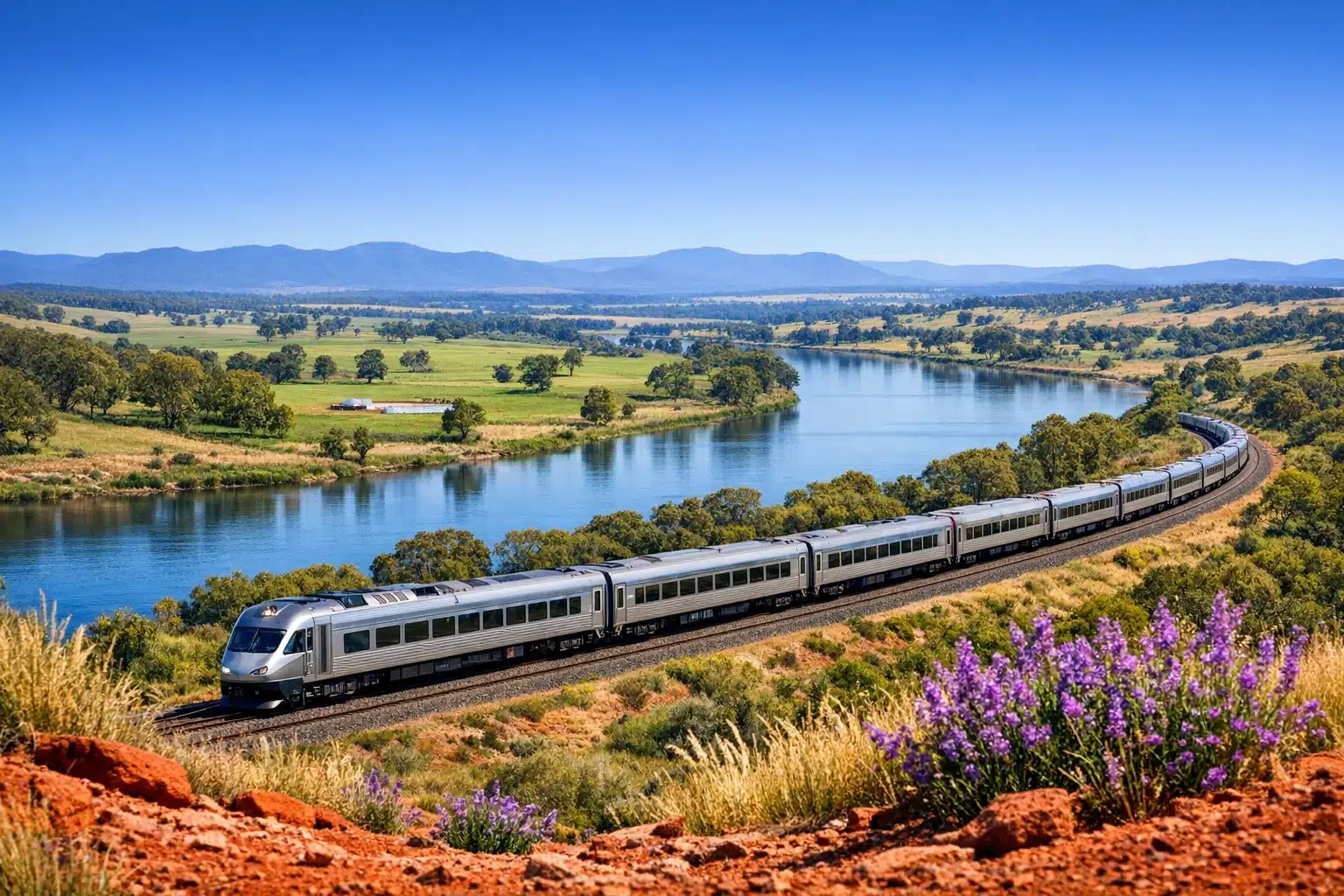
Guide to Pensioner Rail Tours from Brisbane to Melbourne
For many older Australians, the trip from Brisbane to Melbourne is more than a way to cross the map; it can be a calmer, more sociable holiday in its own right. Rail travel avoids airport rush, eases the strain of a very long drive, and gives passengers room to stretch, read, chat, and watch the country change outside the window. For pensioners balancing comfort, cost, and confidence, train tours are worth serious attention. This guide shows how the route works, what choices exist, and how to make the journey feel manageable.
Article Outline
- How the Brisbane to Melbourne rail route generally works for pensioners
- Comfort, accessibility, and onboard details older travellers often value
- Providers, ticket types, and tour styles worth comparing
- Booking steps, concession checks, and timing considerations
- Budgeting, stopovers, and practical ways to enjoy a long-distance trip
Why a Brisbane to Melbourne Rail Tour Can Be a Good Fit for Pensioners
A train holiday between Brisbane and Melbourne appeals to many pensioners because it turns a long transfer into part of the experience. Instead of packing a day into security queues, baggage belts, and airport waiting areas, travellers settle into a seat and let the landscape do the talking. The route is not usually a single seamless tourist run in the way people sometimes imagine. In practical terms, most travellers use long-distance rail services that connect Brisbane to Sydney and then Sydney to Melbourne, or they choose a package that builds in a city stopover between those legs. That extra planning is important, but it also creates an opportunity: a journey that might feel tiring by car can become a staged holiday with breathing room.
Travel times vary with the timetable, yet the overall rail journey usually exceeds 24 hours of onboard travel if taken as a continuous two-part trip. For some people that sounds long, but pensioners who enjoy slower travel often see the value immediately. There is time to read, time to nap, time to chat with fellow passengers, and time to watch Queensland greenery give way to New South Wales towns and then the broader stretches leading toward Victoria. The movement is steady rather than frantic, and that matters when comfort is as important as speed.
Rail can be especially suitable for pensioners who:
- dislike driving long distances or night driving
- want more legroom and freedom to move than a typical short-haul flight allows
- prefer a scenic journey over the fastest arrival
- need a travel style that can be broken into manageable stages
- enjoy meeting people and travelling at a gentler pace
There is also a practical side. Many older travellers are experienced budget watchers, and trains can be easier to compare than package coach holidays that bundle many extras into one figure. At the same time, train travel offers a certain romance without demanding luxury spending. A cup of tea, a rolling window view, and a notebook on the table can make the day feel surprisingly rich. For pensioners who want the trip itself to carry some meaning, rather than simply delivering them to Melbourne, rail has a quiet strength that other forms of transport often miss.
Key Features of Senior Train Travel
When pensioners compare rail journeys, the details matter more than glossy brochure language. The real value lies in practical comforts: how easy boarding will be, whether the seat supports a long day, how close the toilet is, and how stressful a station change might feel. Key Features of Senior Train Travel are therefore less about image and more about usability. A good itinerary should reduce effort rather than shift it from one part of the journey to another.
One major advantage of long-distance rail is the ability to move around during the trip. Even a short walk down the carriage can make a difference on a full-day journey. Many older travellers also appreciate not being confined by seatbelt signs or rushed boarding announcements. Space to stand, stretch, and reset can help reduce the stiffness that often builds during extended travel. Some services offer first-class seating or sleeper-style options on selected routes and dates, while others focus on standard seated travel. Amenities differ by operator and carriage type, so it is wise to check what is included rather than assume every long-distance train offers the same setup.
Common features pensioners often look for include:
- accessible boarding arrangements or staff assistance where available
- clear luggage allowances and manageable storage areas
- toilets located within a reasonable distance of the seat
- buffet, meal, or refreshment options during longer legs
- power outlets, lighting, and readable seat layouts on certain services
- quiet carriage conditions compared with crowded terminals
Accessibility is worth special attention. Not every station has the same platform design, and not every traveller has identical mobility needs. Someone using a walking frame, folding wheelchair, or mobility aid should ask direct questions before booking. It is sensible to confirm platform access, transfer assistance, and whether any part of the trip requires a long walk through a major station. Sydney, in particular, can be easy enough for confident travellers but tiring for those carrying bags or managing reduced mobility.
There is also the emotional comfort factor, which is sometimes underestimated. Senior travellers often value predictable routines, and trains can provide that. You know where you are sitting, where your bag is, and roughly how the day will unfold. The rhythm of the wheels, the announcements, the gentle stop-start flow through regional towns: these small details can make a long trip feel structured instead of chaotic. For pensioners travelling solo, that reassurance can be as important as any fare discount.
Popular Providers and Options
For pensioners researching Brisbane to Melbourne rail holidays, the market is broader than it first appears. Popular Providers and Options include direct rail operators, connecting services, travel agents, and escorted tour companies that combine train travel with hotels and sightseeing. The best choice depends on whether the traveller wants independence, assistance, or a mix of both.
The backbone of most standard rail journeys between Brisbane and Melbourne is usually the NSW TrainLink long-distance network, which links Brisbane to Sydney and Sydney to Melbourne. This is the most familiar practical route for travellers who want a rail-based trip without turning it into a luxury expedition. Depending on where a journey starts in South East Queensland, some passengers also use Queensland Rail services as a feeder connection into Brisbane before joining the long-distance leg. For people who are comfortable booking timetables themselves, this can be the most flexible path.
Beyond operator-booked tickets, there are travel businesses that package rail travel into a more guided holiday. These may include hotel nights, coach transfers, attraction entries, and assistance with reservations. That style can be attractive for pensioners who want the pleasure of train travel without the administrative work. It can also help couples where one partner is enthusiastic about the journey but the other wants reassurance that transfers and accommodation are already sorted.
Broadly, the choices fall into a few categories:
- independent rail booking with self-arranged accommodation
- rail plus hotel packages, often with a Sydney stopover
- escorted senior group tours with a tour manager
- custom itineraries arranged by a specialist travel agent
Each option has trade-offs. Independent travel usually gives the strongest control over budget, timing, and hotel style. Package travel reduces decision fatigue and can simplify complex transfers. Escorted tours offer companionship and structure, but they also follow a group pace that may not suit travellers who like a quiet day or an extra museum visit. Specialist agents sit somewhere in the middle, handling logistics while still allowing personal preferences.
Pensioners should also be alert to the difference between a true rail journey and a holiday that uses rail as one small component. Some advertisements sound rail-focused but involve substantial coach travel once the itinerary begins. That is not necessarily a bad thing, yet expectations need to match reality. A good rule is simple: ask for a day-by-day breakdown before paying a deposit. When the transport mix is clear, the decision becomes much easier and much more satisfying.
Planning Your Pensioner Train Journey
Planning Your Pensioner Train Journey well in advance can turn a complicated idea into a calm, workable trip. Long-distance rail sounds simple on paper, but the comfort of the final experience depends on many small decisions made early. Pensioners often benefit from working backwards from the desired arrival style. Do you want to reach Melbourne ready for city sightseeing the same day, or would you rather arrive after a restful stop in Sydney? Would you prefer to keep costs down with standard seating, or pay more for extra comfort on the longest leg? When those questions are answered first, the booking process becomes much clearer.
Start with eligibility and documentation. Concession access can vary by operator, route, state rules, and card type, so travellers should check exactly which senior or pensioner cards are accepted. It is better to confirm than assume. Some fares apply only to particular residents, while others depend on federal concession status or advance booking availability. Keep card details handy, and make sure names on tickets match identification documents.
Next, consider the structure of the journey. A through-style booking may sound efficient, yet many pensioners find that breaking the trip in Sydney makes the whole experience easier. One night in a central hotel can provide a shower, a proper rest, and a chance to enjoy the harbour before continuing south. That extra expense may be worthwhile if it transforms a demanding schedule into a pleasant two-stage holiday.
A practical planning checklist can include:
- checking current timetables and seasonal service changes
- confirming concession rules before booking
- requesting mobility assistance if needed
- choosing seats with easy aisle access when possible
- booking accommodation near the station for stopovers
- packing medication, snacks, chargers, and a light layer for changing temperatures
- reviewing cancellation and change policies
Health and energy levels deserve honest consideration. A confident 68-year-old and a cautious 84-year-old may both be pensioners, but they will not necessarily enjoy the same itinerary. There is no prize for pushing through an exhausting schedule. In many cases, the smartest plan is the one with fewer moving parts. Travel insurance may also be worth considering, particularly if hotels and tours are prepaid. Finally, book early when possible. Long-distance rail seats, sleeper options on relevant services, and well-located hotels can become limited, especially around school holidays and major event periods. A little foresight can save money, reduce stress, and leave more room for the pleasant part of travel: anticipation.
Budget, Comfort, and Stopover Ideas That Make the Journey Easier
For pensioners, a successful Brisbane to Melbourne rail holiday is rarely about spending the least or the most. It is about spending wisely. The cheapest itinerary can become expensive if it leaves you overtired, while the priciest package may include extras you do not value. The sweet spot usually comes from matching the travel style to your stamina, interests, and budget habits. That is where stopovers, comfort choices, and small practical upgrades can make a large difference.
The most common stopover point is Sydney, and for good reason. It fits naturally between the main rail legs and offers every kind of accommodation, from budget hotels near transport to higher-end stays for travellers turning the transfer into a mini city break. Some pensioners spend one night there simply to rest. Others stay two or three nights, visit Circular Quay, take a ferry, and continue south feeling refreshed rather than wrung out. A thoughtfully placed pause can make the trip feel like two enjoyable chapters instead of one very long sentence.
When budgeting, it helps to separate costs into clear categories:
- rail fares and any concession savings
- overnight accommodation during stopovers
- station transfers or taxis
- food and drinks while travelling
- travel insurance and incidental expenses
- optional sightseeing in stopover cities
Comfort spending should be selective. Paying more for a better seat, an easier hotel location, or a taxi between station and accommodation may be more valuable than paying for premium inclusions you barely use. Many experienced pensioner travellers know this instinctively. They spend where discomfort would otherwise accumulate: the long leg, the late arrival, the bag transfer, the awkward walk uphill with luggage.
There are also simple habits that improve the trip without much cost. Pack one accessible day bag with medications, glasses, tissues, chargers, and reading material, so you are not lifting larger cases repeatedly. Carry a refillable water bottle if permitted by the service you are using. Dress in layers because carriage temperatures can shift over a long day. Choose shoes that are easy to remove and put back on, especially if you like to stretch your feet at your seat.
A long rail journey can feel unexpectedly intimate in the best way. Morning light over regional stations, the quiet clink of a cup on a table, and the slow arrival into a capital city create a rhythm that air travel rarely offers. With smart budgeting and humane pacing, pensioners can shape the Brisbane to Melbourne route into something far more satisfying than a mere transit day.
Conclusion for Pensioner Travellers
For pensioners considering a rail tour from Brisbane to Melbourne, the strongest approach is usually the most realistic one. This is a substantial journey, not a quick transfer, and that is exactly why thoughtful planning matters. When expectations are clear, rail can offer space, scenery, social ease, and a welcome break from the strain of airports or long-distance driving. The best results often come from comparing independent bookings with packaged options, checking concession rules early, and allowing enough time for rest between travel stages.
If comfort, confidence, and good pacing sit high on your priority list, a train-based trip deserves serious consideration. Some travellers will prefer the freedom of building their own route, while others will enjoy the reassurance of a package that handles hotels and transfers. Neither choice is automatically better; the right one is the one that fits your energy, your budget, and your idea of a pleasant holiday. For older travellers who want the journey to be part of the pleasure, not simply the price of reaching Melbourne, rail remains a practical and rewarding option.