Memphis to New Orleans Cruises 2026: Routes, Prices & What to Expect
Overview and Outline: Why the Memphis to New Orleans Route Still Draws Travelers
A Memphis to New Orleans cruise turns a familiar map into a slow-moving story of river towns, jazz roots, battlefield history, and Southern cooking. For 2026 travelers, the appeal is not only the scenery but also the chance to compare cruise lines, cabin styles, and shore excursions before spending a serious amount of money. This guide breaks down what these itineraries usually include, how pricing works, and which travelers are likely to enjoy the journey most.
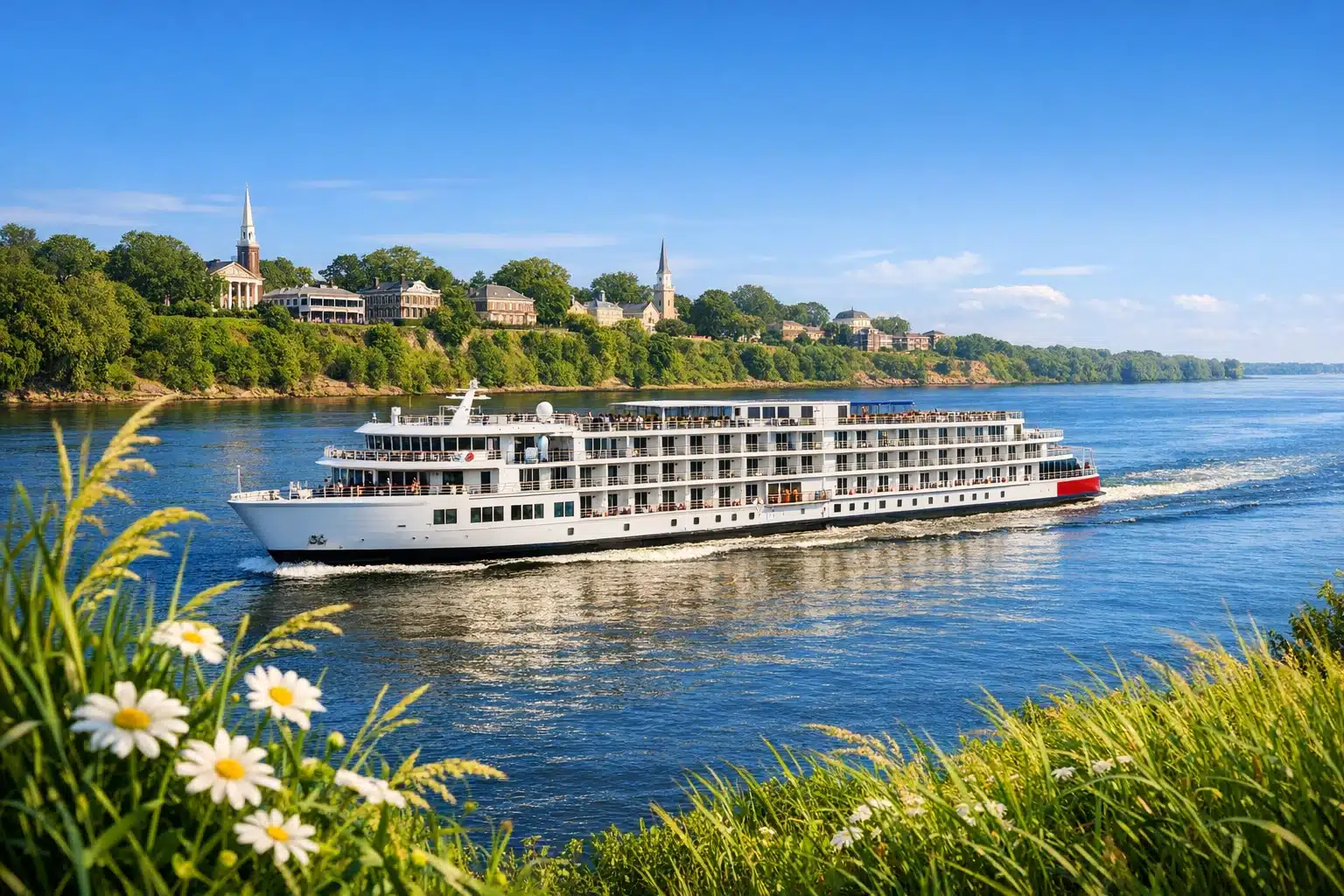
The route between Memphis and New Orleans is one of the most recognizable stretches of the Lower Mississippi, and it appeals to people who want more than a standard vacation built around beaches or amusement-style attractions. A river cruise here is part transport, part floating hotel, and part cultural sampler. Instead of crossing open ocean, the ship follows a working waterway lined with historic towns, levees, plantations, museums, churches, and landscapes that have shaped American music, literature, trade, and food.
Because 2026 sailings may differ slightly by operator, ship deployment, and seasonal scheduling, travelers should treat any published itinerary as a framework rather than a promise carved in stone. Water levels, port access, maintenance needs, and operational changes can all influence a schedule. Even so, the broad structure remains consistent enough to evaluate the experience with confidence.
To make the topic easier to navigate, this article follows a simple outline:
- Which cruise lines typically offer Lower Mississippi voyages and how they differ
- What prices usually include, what costs extra, and how fare ranges can shift
- Which ports and excursions commonly appear between Memphis and New Orleans
- What daily life onboard feels like compared with large ocean cruises
- Whether the trip is worth booking for your travel style, interests, and budget
This matters because many first-time river cruisers assume all ships, cabins, and fares are broadly similar. They are not. Some lines lean toward premium inclusions and polished enrichment programs, while others focus more heavily on Americana themes, intimate service, or domestic convenience. Cabin size, deck access, lecture quality, dining style, and included excursions can influence satisfaction just as much as the route itself.
If you are considering this journey, think of it as a curated passage through the American South rather than a simple point-to-point transfer. The real question is not merely how to get from Memphis to New Orleans. The real question is how you want those miles to feel: relaxed, educational, social, indulgent, or quietly reflective. That distinction shapes every booking decision that follows.
Cruise Lines in 2026: What the Main Operators Usually Offer
When travelers search for Memphis to New Orleans cruises, they are usually looking at river cruise companies rather than mainstream ocean brands. This is an important distinction. The vessels are smaller, the atmosphere is calmer, and the experience is designed around scenery, guided visits, regional storytelling, and comfort instead of waterslides, casinos, and packed entertainment schedules. On the Lower Mississippi, the best-known operators have traditionally included American Cruise Lines and Viking, though exact 2026 availability should always be confirmed directly with the company or a reputable travel advisor.
American Cruise Lines has built a strong presence on US river itineraries and tends to appeal to travelers who want a distinctly domestic product. Its ships often emphasize large staterooms by river-cruise standards, familiar American cuisine, onboard historians, and excursions centered on culture and heritage. The tone can feel easygoing and conversational, with lectures, local performers, and staff who are accustomed to guests seeking comfort more than spectacle. For travelers who prefer an American-focused onboard environment and straightforward logistics, this style is often attractive.
Viking, by contrast, generally positions its river product around a more contemporary design language, strong destination interpretation, and a polished premium feel. On the Mississippi, Viking has aimed to blend modern ship aesthetics with regional programming, and that can appeal to travelers who enjoy an upscale atmosphere without the oversized scale of ocean cruising. Guests who have sailed Viking in Europe sometimes like the familiarity of staying within the same brand framework while exploring a domestic route.
When comparing lines, pay attention to more than the logo. A better evaluation comes from examining the details that shape the actual week onboard:
- Cabin size and whether most rooms have balconies or large opening windows
- Dining style, including fixed seating versus flexible service
- Number of included excursions and the cost of premium add-ons
- Whether airport transfers, Wi-Fi, drinks, gratuities, or pre-cruise hotels are bundled
- Onboard lectures, music programming, and destination specialists
- Accessibility features and elevator availability on the ship
Another useful question is who the cruise is built for. Lower Mississippi itineraries often skew toward mature travelers, couples, retired guests, and history enthusiasts. That does not mean younger travelers cannot enjoy them, but it does mean the social energy is usually measured rather than lively. Evenings may feature piano, jazz, or regional musicians instead of loud deck parties. For some people, that sounds restful. For others, it sounds too quiet.
The smartest way to compare cruise lines is to match the operator to your own rhythm. If you want immersive lectures, refined service, and a destination-led mood, one brand may stand out. If you value bigger cabins, a familiar American atmosphere, and simple logistics, another may be the better fit. On this route, the line shapes the experience almost as much as the river itself.
Pricing Explained: Fare Ranges, Inclusions, and the Real Cost of the Trip
Pricing is where many travelers move from romantic daydream to practical decision. A Memphis to New Orleans cruise is rarely a bargain-basement holiday, and it should not be evaluated as though it were a mass-market Caribbean sailing. River cruises on the Lower Mississippi usually carry premium pricing because the ships are smaller, the staff-to-guest ratio is often higher, and the fare commonly includes elements that would be extra elsewhere. For 2026 departures, exact rates will depend on the line, the cabin category, the season, and how early you book, but a realistic planning range is usually several thousand dollars per person rather than a few hundred.
In many cases, travelers will see fares begin around the lower-to-mid four figures for entry-level cabins on promotional offers and rise well beyond that for veranda rooms, suites, or peak-season departures. Premium categories can move into five figures for two people without being unusual. That can sound steep until you examine what is being bundled. Some operators include Wi-Fi, selected beverages, some excursions, port charges, onboard enrichment, and occasionally hotel stays or transfers. Others package fewer extras and rely on the base fare to catch attention.
The most important rule is simple: compare total trip cost, not headline fare. A cheaper cabin can become expensive once you add all the missing pieces. Common budget items include:
- Airfare or rail travel to Memphis and from New Orleans, or the reverse
- Pre-cruise and post-cruise hotel nights
- Travel insurance, which is especially worth reviewing for higher-value trips
- Premium shore excursions beyond the included set
- Gratuities if they are not built into the fare
- Alcohol, specialty drinks, or upgraded dining experiences where applicable
- Solo supplements for travelers booking a cabin alone
Seasonality also matters. Spring and fall usually attract strong demand because temperatures are more comfortable and the humidity is less intense than peak summer conditions. Holidays, themed departures, and brand-new sailings can command higher rates. Early booking promotions may include cabin credits, airfare support, or reduced deposits, while last-minute offers can appear if inventory remains unsold. Neither approach is automatically better. Early booking gives you the widest cabin choice; late booking can save money but limits flexibility.
To judge value fairly, ask yourself what you would spend to recreate the same trip independently. A multi-city Southern itinerary with quality hotels, regional dining, private transfers, museum entries, live music, and guided tours can add up quickly. The cruise format packages those elements into a calmer, less logistically demanding experience. You may not save money versus a DIY road trip, but you may buy ease, structure, and consistency. For many travelers, that difference is exactly what makes the fare feel reasonable.
Typical Itineraries: Ports, Excursions, and What Daily Life Feels Like on the River
A Memphis to New Orleans itinerary usually lasts about a week to ten days, depending on the operator and whether hotel stays are attached at either end. The route can also run in reverse, which means some travelers will board in New Orleans and end in Memphis while seeing many of the same places. Either way, this is not a race. The charm lies in the measured pace, the changing light over the river, and the way each port adds a different layer to the story of the American South.
Common stops on Lower Mississippi cruises often include some combination of the following:
- Memphis, known for blues heritage, barbecue, and landmarks tied to American music history
- Greenville or other Delta-area stops focused on regional culture and storytelling
- Vicksburg, often associated with Civil War history and river trade
- Natchez, famous for antebellum architecture and old-town atmosphere
- St. Francisville, offering a quieter Louisiana setting with gardens and historic sites
- Baton Rouge, where state politics, museums, and Cajun influences come into view
- New Orleans, the dramatic finale or opening act, depending on sailing direction
Shore excursions vary by line, yet most programs lean heavily into history, music, architecture, food, and local identity. One morning might begin with a guided walk past stately homes and shaded churches. Another afternoon could involve a battlefield tour, a cooking demonstration, or time in a museum that reveals how the river shaped trade and migration. In New Orleans, travelers often extend the trip to enjoy French Quarter streets, live jazz, Creole and Cajun dishes, streetcar rides, or a cemetery tour led by a local guide.
Life onboard is intentionally unhurried. Breakfast may begin with views of muddy water glinting under an early sun. During the day, guests listen to lecturers, read in lounges, watch levees pass, or chat after returning from an excursion. Unlike a giant resort ship, there is little pressure to fill every hour. The entertainment is often local and rooted in place: a blues musician, a storyteller, a historian, or a culinary presenter explaining why the region tastes the way it does.
Travelers should also remember that river conditions can influence timing. High water, low water, commercial traffic, and docking logistics occasionally require substitutions or schedule changes. That is not always a flaw; it is part of traveling on a living river rather than following a rigid amusement itinerary. The best approach is to value the overall journey more than any single stop.
If you enjoy immersive travel with a built-in sense of continuity, this route can feel quietly cinematic. The ship glides onward, the banks shift from city edge to open stretch to small town, and the journey unfolds less like a checklist and more like a long conversation with the river itself.
Is It Worth Booking? A Final Verdict for 2026 Travelers
Whether a Memphis to New Orleans cruise is worth booking depends less on the river and more on the traveler. For the right person, it can be a memorable, deeply textured trip that combines comfort with a strong sense of place. For the wrong person, it may feel expensive, slow, and too structured. That contrast explains why reviews can sound wildly different even when people sailed a similar route. They were often judging two different things: the cruise itself and whether it matched their expectations.
This kind of voyage is usually worth serious consideration if you enjoy history, regional food, music heritage, architecture, scenic travel, and unpacking only once. It also suits travelers who dislike the frenzy of airports, hotel changes, and daily re-planning. If you want a vacation where the logistics mostly disappear and the destination comes to you in chapters, the value proposition becomes stronger. The route is especially attractive for couples, older travelers, multigenerational family groups with an interest in culture, and anyone who prefers conversation to crowds.
It may be a weaker fit if you are searching for nonstop nightlife, extensive onboard attractions, bargain pricing, or long blocks of independent exploration in major cities. River cruises generally operate on a curated rhythm. You can step off, look around, and join tours, but you are still moving within the framework of a ship schedule. Travelers who prefer spontaneous road trips, late nights out, or highly active adventure travel might find more freedom elsewhere.
A practical decision checklist can help:
- Book if you value destination depth more than onboard spectacle
- Book if you are comfortable paying more for convenience and curation
- Book if Southern history, music, and food genuinely interest you
- Pause if you expect the energy level of a mainstream ocean megaship
- Pause if your budget only works when extras are minimal
- Pause if you want extensive beach time or highly flexible port days
For most travelers considering 2026 departures, the smartest approach is to compare line inclusions, study deck plans, price the total trip from home to home, and read the excursion list before falling in love with the brochure. The route itself is compelling, but the details determine satisfaction. A well-chosen cabin on the right ship can make the trip feel seamless; the wrong booking can leave you paying premium rates for an experience that never quite clicks.
In short, this cruise is usually worth it for travelers who want the Lower Mississippi interpreted, organized, and experienced at a thoughtful pace. If you are drawn to live jazz drifting through a lounge, lectures that add context to the shoreline, and the pleasure of waking up in a new Southern port without repacking your suitcase, the journey can justify its cost. If your idea of value means maximum action for minimum spend, you may be happier planning a land-based itinerary instead. Knowing which traveler you are is the real key to booking wisely.