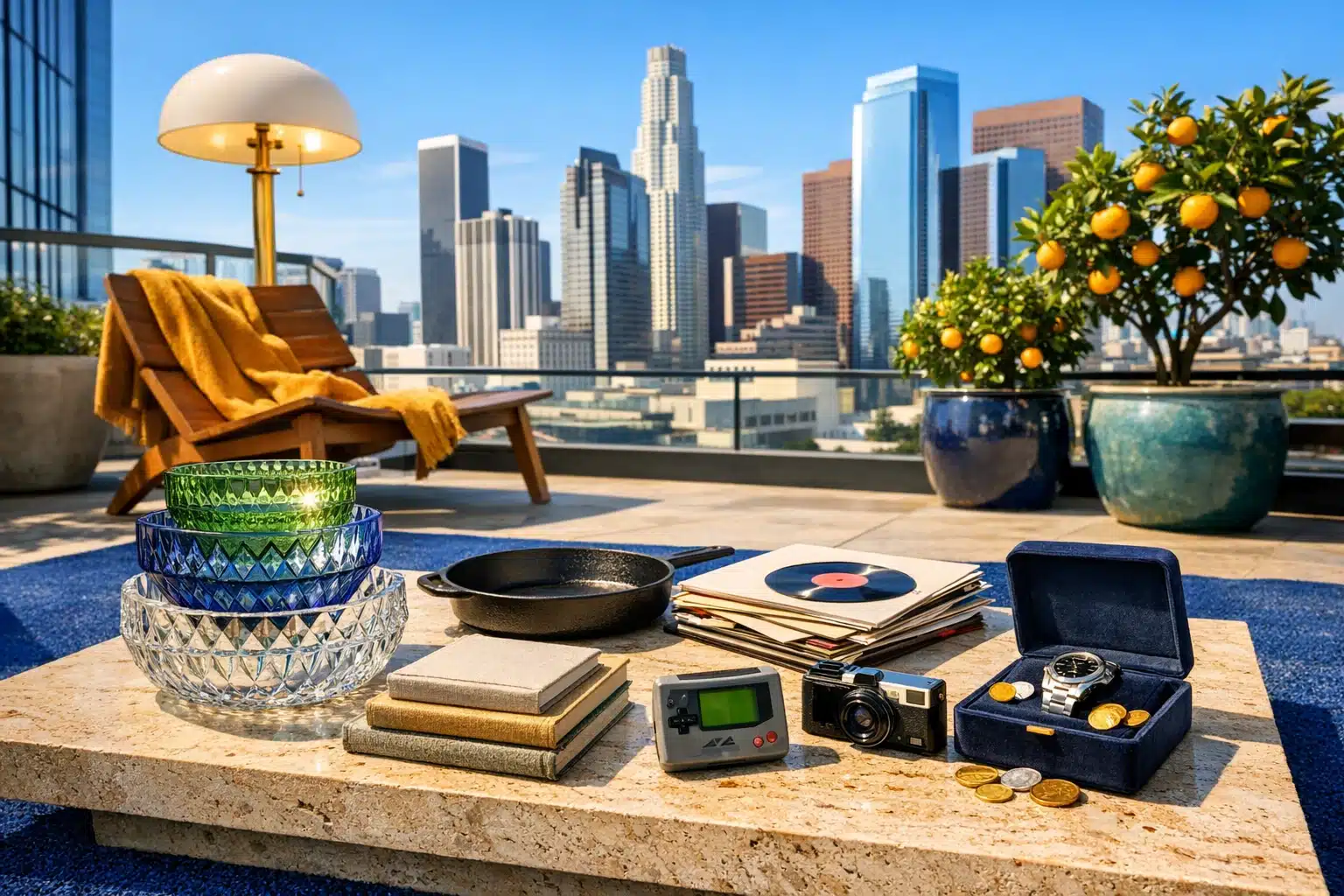
5 Old Household Items That Might Be Worth More Than You Think
Plenty of homes contain objects that have quietly crossed the line from ordinary to collectible. A mixing bowl, an old game console, or a lamp inherited without much thought can attract strong demand because of rarity, craftsmanship, or nostalgia. In resale markets, value often hides in details: a maker’s mark, a limited pattern, an unopened box, or simply excellent condition. Knowing what to spot can turn routine tidying into a far more interesting exercise.
Outline
- Vintage kitchenware and cookware that collectors still chase.
- Books, records, and printed media with hidden demand.
- Toys, games, and electronics that benefit from nostalgia.
- Furniture, lamps, and decor with design value beyond their everyday use.
- Jewelry, coins, watches, and small keepsakes that can surprise owners most of all.
1. Vintage Kitchenware and Cookware Can Be Quietly Valuable
Kitchens are full of objects people use hard, store carelessly, and replace without much sentiment, which is exactly why certain survivors become desirable later. Vintage glass mixing bowls, patterned casserole dishes, solid cast-iron pans, and older enamelware can all attract buyers. Brands such as Pyrex, Fire-King, CorningWare, Griswold, Wagner, and even older Lodge pieces are often watched closely by collectors, decorators, and home cooks who prefer durable older goods to newer mass-market versions. In many cases, what looks like a simple bowl from the back of a cabinet is actually part of a discontinued line with a loyal following.
Value usually comes from a mix of rarity, condition, and completeness. A common baking dish with no lid may only bring modest interest, while an uncommon color, promotional pattern, or full nesting set can command a much stronger price. With cast iron, older pans from respected makers are often valued for their smoother cooking surface and solid construction. A pan that has its logo clearly visible, no cracks, and a flat base is generally more appealing than one that has been warped, aggressively sanded, or neglected to the point of deep pitting. In short, age matters, but quality and preservation matter more.
There are a few details worth checking before you shrug and call something “just old kitchen stuff.”
- Turn the piece over and look for stamps, mold numbers, or brand marks.
- Check whether lids, handles, trivets, or companion pieces are still present.
- Watch for chips, hairline cracks, rust damage, and repairs.
- Compare the exact pattern or color rather than the general style.
One important comparison is between common utility pieces and decorative lines. Millions of plain dishes were made, so not every old plate is scarce. By contrast, limited patterns, short production runs, or unusual color combinations often stand out in sold listings. Even among similar-looking pieces, the difference can be dramatic. A standard white casserole might be easy to find, while a seasonal pattern made for a brief period may be much harder to replace.
If this category feels mundane, that is part of the charm. Hidden value often lives in the most ordinary corners of a home. The cupboard does not announce its secrets; it simply waits for someone curious enough to look at the underside of a bowl and ask one useful question: what exactly is this?
2. Books, Records, and Printed Media Often Reward Close Inspection
Shelves, storage bins, and spare-room closets are natural hiding places for overlooked value. Old books, vinyl records, magazines, and paper ephemera may seem too common to matter, yet certain examples can be far more desirable than owners expect. The biggest mistake people make is assuming that age alone creates worth. It does not. A fifty-year-old book club printing may be modestly priced, while a much newer first edition with its original dust jacket can be sought after. The same logic applies to records: an album title may be popular, but specific pressings, labels, inserts, or regional releases can make the real difference.
For books, condition is crucial. Collectors usually care about whether the binding is tight, pages are clean, and dust jackets are intact. A first edition without a jacket is often worth much less than the same book with one. Signed copies may bring added attention, though authenticity matters. Older children’s books, niche nonfiction, art books, travel guides with limited print runs, and titles later withdrawn from publication can all have stronger resale potential than generic hardcovers that were printed in huge numbers. That is why a quick glance at the copyright page, publisher line, and print history is worth the effort.
Records are similarly detail-driven. A famous album is not automatically valuable, because many were pressed in large quantities. Buyers typically compare label design, catalog number, country of release, matrix numbers near the center, and whether inserts or posters are included. Mono pressings, early runs, uncommon sleeves, and albums tied to cult artists often attract special interest. Even magazines and catalogues can surprise you if they document a specific era, event, or trend that collectors now chase.
- Look for edition statements, number lines, and original dust jackets on books.
- Check records for label variations, inserts, lyric sheets, and clean surfaces.
- Store paper items flat and dry, because moisture damage sharply lowers appeal.
- Use sold listings rather than asking prices when estimating market value.
A useful comparison here is sentimental value versus market value. A family favorite novel may mean a great deal emotionally while remaining fairly common in the trade. On the other hand, a little-read local history book, a small-run poetry collection, or a first pressing from a regional music scene may carry less nostalgia for you and more demand from buyers. That contrast is what makes this category fascinating. Sometimes the plainest spine on the shelf turns out to be the one worth researching first.
3. Toys, Games, and Older Electronics Benefit from Nostalgia and Scarcity
If kitchenware appeals to collectors of design, toys and electronics appeal to memory. These are the objects that send adults back to childhood bedrooms, family holidays, and rainy afternoons spent on the living-room carpet. That emotional pull can translate into money, especially when the item is complete, working, and harder to find than people assume. Old LEGO sets, die-cast cars, action figures, handheld game systems, early home consoles, cassette players, film cameras, and first-generation portable music devices all show up regularly in resale markets. Brands such as Nintendo, Sony, Polaroid, Fisher-Price, and Mattel are often part of that story, but the brand name alone is never enough.
Completeness is one of the biggest pricing factors in this category. A loose cartridge or missing accessory may still sell, yet a boxed system with its cables, inserts, manuals, and original packaging usually attracts stronger offers. The same is true for toys. An action figure with all its small accessories, packaging, or vehicle parts often outperforms a more famous figure that is incomplete. Collectors do not just buy the object; they buy the experience of finding it in a state that feels close to original. That is why unopened or minimally used items can create excitement, while heavy play wear, broken battery doors, sun fading, and corrosion can reduce value quickly.
Electronics introduce another comparison: working versus untested. A tested device that powers on properly and performs its basic functions is generally easier to sell than one listed “as is.” Still, not every non-working item is worthless. Some buyers want parts, restoration projects, or rare shells and components. That said, careless cleaning can do harm. Harsh chemicals, sticker scraping, and rough attempts to remove yellowing plastic may damage labels and surfaces that collectors prefer to keep original.
- Check battery compartments for leakage or corrosion.
- Keep manuals, chargers, cables, memory cards, and boxes together.
- Photograph serial numbers, model numbers, and labels before listing.
- Do not throw away inserts, cardboard trays, or tiny accessory pieces.
This category moves in waves. As one generation becomes more nostalgic, demand rises for the objects linked to its childhood. That is why a once-humble game controller or plastic toy set can suddenly seem much more interesting. The attic often behaves like a time machine, and sometimes the ticket stub is taped right to the box.
4. Furniture, Lamps, and Home Decor May Have Design History on Their Side
Large items are easy to dismiss because they are awkward to move, difficult to ship, and woven into daily life. Yet old furniture and decor can be among the most valuable things in a house, particularly when they reflect a recognizable design period or were made with better materials than many modern alternatives. Mid-century modern furniture is the obvious example, but it is far from the only one. Art Deco mirrors, studio pottery, brass lamps, solid wood dressers, old bar carts, woven textiles, and well-made side tables can all attract interest when their quality is clear. A lamp standing in a hallway for twenty years may be more than practical lighting; it may be a small piece of design history.
The comparison that matters most here is authentic age versus imitation style. Plenty of current products borrow older looks, but true vintage pieces often show differences in weight, joinery, material, and wear. Solid walnut or teak construction, dovetail joints, original hardware, and maker labels can all signal a stronger item. Names such as Herman Miller, Knoll, Lane, Drexel, or Danish makers may add attention, though even unbranded pieces can be desirable if the design, craftsmanship, and condition are strong. Buyers often want furniture that feels both useful and character-rich, and older pieces can offer exactly that.
Condition needs careful handling. People often assume refinishing always helps, but that is not universally true. Heavy sanding, replacement hardware, and repainting can remove the very features collectors wanted preserved. Sometimes gentle cleaning and stable storage are wiser than ambitious restoration. With lamps, original shades, switches, and bases can matter. With ceramics or decorative art, chips, repairs, and missing signatures may affect value significantly.
- Inspect drawers, backs, and undersides for labels or stamped numbers.
- Look for solid wood, quality joinery, and period-appropriate hardware.
- Measure carefully, because size affects demand and shipping options.
- Consider local resale markets, since large pieces often sell best nearby.
Decor is where taste and timing intersect. A style ignored for years can return quickly when designers, collectors, and homeowners rediscover it. That shift does not make every old chair a treasure, but it does mean the right piece can outperform expectations. Before sending an older lamp or cabinet to the curb, pause for a moment. What looks tired in one room may look exactly right to someone hunting for character, materials, and craftsmanship that newer products rarely match at the same level.
5. Jewelry, Coins, Watches, and Small Keepsakes Can Deliver the Biggest Surprise
The smallest household items are often the easiest to overlook and the simplest to underestimate. A tangled jewelry box, an old coin jar, a watch tucked into a drawer, or a pen case inherited from a relative can contain real value in a tiny footprint. These items do not need much storage space, which means families tend to keep them for years without researching them closely. That creates the perfect setup for a surprise. Unlike furniture, where design and transport matter, small valuables often depend on metal content, maker reputation, rarity, and condition. One careful look with a magnifier can reveal more than a quick guess ever will.
Jewelry is a good example of hidden complexity. Many owners separate pieces into “real” and “costume” and stop there, but the market is more nuanced. Gold and silver pieces may carry value based on metal content, especially when hallmarks such as 10K, 14K, 18K, or sterling are present. At the same time, costume jewelry from notable designers or from specific eras can also sell well if it features sought-after materials, distinct design, or matching sets. Bakelite, signed brooches, and well-preserved mid-century pieces often interest collectors. Watches and pocket watches can be driven by brand, movement type, case material, service history, and whether the original band, box, or papers still exist.
Coins work in a similar way: face value tells you almost nothing about collectible value. Date, mint mark, metal composition, condition, and errors all matter. A common circulated coin may be worth only a small premium, while a scarcer issue, proof set, or unusual strike can bring stronger demand. Pens, lighters, sewing tools, and compact vanity items may also have collectible appeal when tied to known makers or design periods.
- Use a soft cloth and avoid aggressive polishing, which can reduce collector interest.
- Check clasps, backs, and inner bands for hallmarks or signatures.
- Keep original boxes, receipts, and family notes that help establish provenance.
- When in doubt, compare multiple opinions from reputable jewelers, coin dealers, or auction specialists.
For most readers, this final category offers the most practical lesson: never dismiss small objects because they look ordinary. The drawer of odds and ends is often where value hides best. If the house has been quiet for years, these little pieces are its whispering archive, waiting for someone patient enough to listen.
Conclusion: Check Before You Clear Out
If you are decluttering, managing an estate, downsizing, or simply trying to make better decisions about what stays and what goes, a little research can go a long way. The common thread across all five categories is simple: value usually comes from a combination of condition, rarity, completeness, and demand rather than age alone. That means the smartest move is not to assume, but to inspect. Read labels, keep accessories together, photograph details, and compare actual sold prices instead of optimistic listings. You do not need to become a full-time collector to benefit from this process. You only need enough curiosity to pause before tossing, donating, or underpricing something that may deserve a second look.