Affordable BBQ Grills: What to Look for Before You Buy
Buying a low-price BBQ grill can feel simple until the labels start shouting about BTUs, burner counts, coated grates, and “family-size” cooking space. A cheap grill that cooks evenly and lasts three summers is usually a smarter buy than a flashy model that rusts after one rainy season. This guide breaks down what matters, what merely sounds impressive, and how to stretch a modest budget into reliable outdoor cooking.
Outline and Buying Roadmap: Start with Purpose, Not Hype
Before comparing models, it helps to build a simple outline for the decision. Many shoppers begin with a store flyer or an online discount page, but a better starting point is your actual cooking routine. If you mostly grill burgers on weekends for two to four people, your needs are very different from someone who hosts large family gatherings twice a month. An affordable grill should fit the way you cook, the space you have, and the amount of maintenance you are willing to handle.
Here is a practical roadmap for the rest of the article: • Set a realistic budget for the grill and the first season of use. • Choose a grill type that matches your cooking style. • Check materials, grates, lid construction, and heat control. • Estimate fuel, cleaning, and replacement costs. • Match the final choice to your household size and outdoor space.
For many buyers, the sweet spot for an affordable BBQ grill sits below the premium range but above the very cheapest entry-level units. In broad terms, low-price charcoal grills can start well under the cost of comparable gas models, while budget gas grills often occupy a middle tier where features look generous but durability varies. That is where discipline matters. A shiny lid, oversized side shelves, or a long list of features can distract from weak legs, thin metal, or poor burner design.
Think of shopping for a low-cost grill like choosing a practical kitchen knife. The one with the most dramatic packaging is not always the one you will enjoy using every week. Reliable ignition, stable legs, a lid that closes properly, and enough cooking area for your typical meal matter more than decorative extras. A grill does not need to look like a competition rig to turn out good food; it needs steady heat, manageable cleanup, and construction that survives weather with reasonable care.
This outline also helps you avoid a common budget mistake: spending too little on the core appliance and too much on fixes later. If the grates chip early, the wheels wobble, or the burners rust quickly, the “deal” becomes expensive in slow motion. By following a step-by-step buying roadmap, you can narrow the field fast and focus on value rather than noise. The goal is not simply to spend less today. It is to buy a grill that still feels like a smart purchase after a full season of burgers, chicken, vegetables, and the occasional ambitious rack of ribs.
Choosing the Right Grill Type for Your Budget
The most important buying decision is often the simplest one: what kind of grill should you buy? In the affordable segment, the main choices are charcoal, gas, electric, and portable compact models. Each has a different balance of cost, flavor, convenience, and space efficiency. Understanding those trade-offs prevents disappointment later.
Charcoal grills usually win on upfront price. A basic kettle-style charcoal grill can be very affordable, and many cooks appreciate the stronger smoke flavor and higher searing potential. Charcoal also offers flexibility; with practice, you can create direct and indirect heat zones by moving coals around the grill. The trade-off is time. Lighting charcoal, waiting for the fire to settle, and cleaning ash afterward require more effort than turning a gas knob. For buyers who enjoy the ritual of grilling, that extra work can feel satisfying. For someone trying to cook dinner after work, it may feel like an obstacle.
Gas grills are often the most popular choice for convenience. Even in budget-friendly ranges, many models offer two to four burners, push-button ignition, warming racks, and enough space for a family meal. A typical entry-level gas grill may provide between roughly 20,000 and 36,000 BTUs, but BTU numbers alone do not tell the full story. Burner placement, lid design, and grate material affect actual performance more than a large printed number on the box. Gas is attractive because it heats quickly, supports easy temperature adjustment, and produces less cleanup than charcoal.
Electric grills can be useful for balconies, patios with restrictions, or households that want compact outdoor cooking without fuel tanks or charcoal storage. They are often smaller and may not deliver the same smoky character as charcoal, but they can be practical, clean, and simple to maintain. In apartment-friendly situations, an electric grill may be the most realistic option, not the most romantic one. Sometimes the best grill is the one your building actually allows.
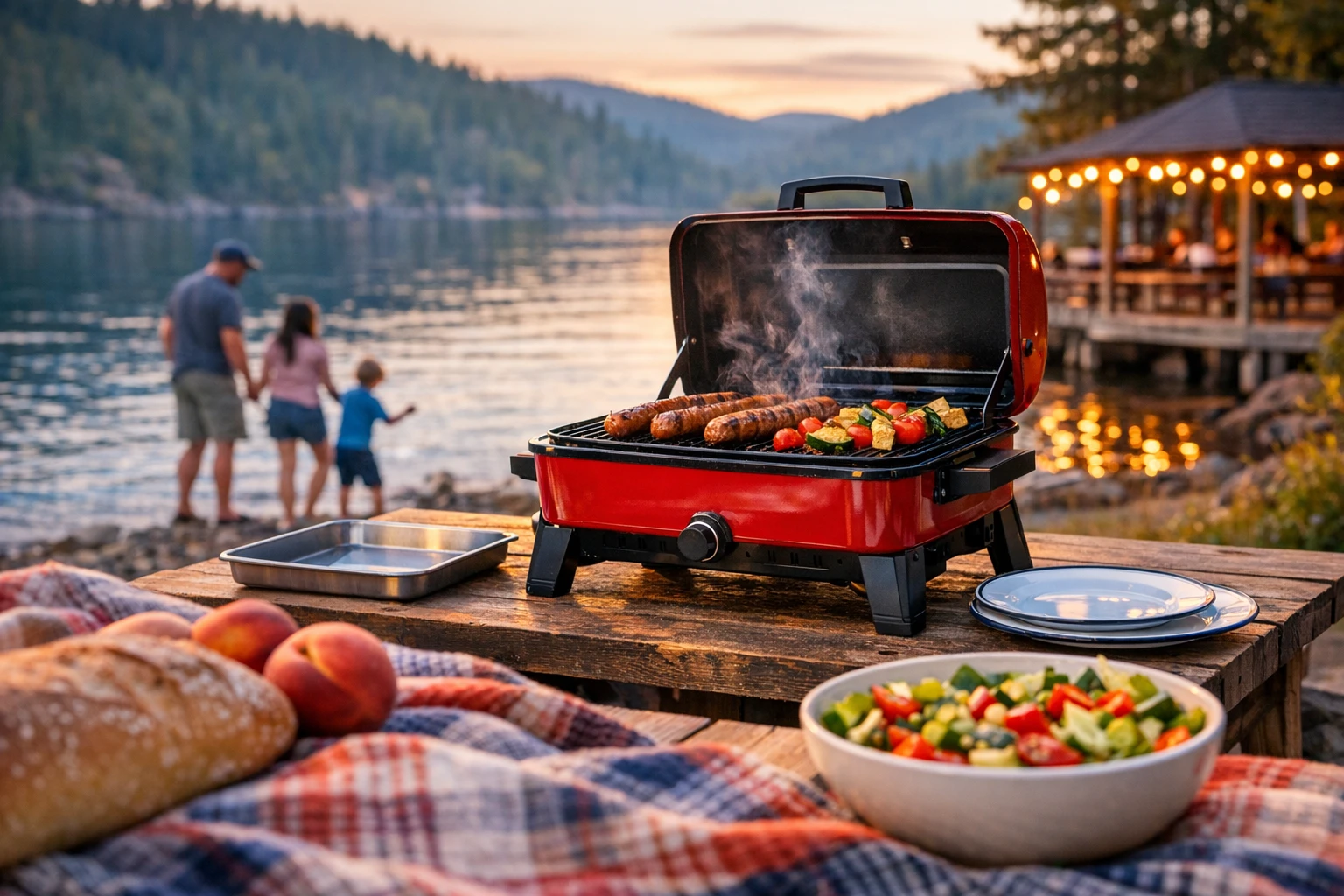
Portable grills deserve attention too. Small tabletop gas or charcoal models can be a great low-price choice for campers, tailgaters, or people with limited storage. They are not ideal for feeding a large group, yet they can offer excellent value when portability is part of the plan.
A quick comparison helps: • Charcoal: lower upfront cost, stronger smoke flavor, slower setup. • Gas: faster cooking, easier control, usually higher initial price. • Electric: simple and compact, but less traditional grill character. • Portable: best for mobility and small spaces, limited capacity.
If your priority is flavor and low purchase cost, charcoal is often hard to beat. If your priority is speed and repeatable weeknight cooking, budget gas grills usually make the most sense. There is no universal winner, only the option that aligns with how you actually plan to cook.
How to Judge Build Quality, Heat Control, and Cooking Performance
Once you know the grill type you want, the next step is separating genuine value from clever marketing. Affordable grills often look similar from a distance, yet the real differences appear in the materials, the design of the firebox or burners, and the quality of small components that take daily stress. These details affect how evenly a grill cooks, how long it lasts, and how pleasant it is to use.
Start with the body and lid. Thin metal tends to lose heat faster, especially on windy or cool days. That can make temperature control less predictable and increase fuel use. A sturdier lid and firebox help maintain more consistent cooking conditions. On a gas grill, this matters for roasting chicken or cooking thicker cuts without scorching the outside. On a charcoal grill, stronger construction supports better airflow management and steadier heat during longer cooks.
Grates deserve close attention because they directly affect searing, sticking, and maintenance. Common materials include: • Porcelain-coated steel: affordable and easy to clean, though chips can lead to rust over time. • Cast iron, often porcelain-coated: strong heat retention and good grill marks, but it needs more care. • Stainless steel: durable and resistant to corrosion, though thickness varies widely by model.
For many budget buyers, porcelain-coated cast iron offers a nice middle ground if the coating is well applied and the grill will be covered when not in use. If the grates feel flimsy or rough, that can be an early warning sign about the rest of the build.
Heat control is another area where cheap-looking numbers can mislead. A grill with very high BTU output but poor heat distribution may cook less evenly than a slightly lower-powered unit with a smarter burner layout. On gas grills, look for burners that run in a way that supports multiple heat zones. Two independently controlled burners can already give you flexibility for direct and indirect cooking. On charcoal grills, adjustable dampers and sensible grate height can be just as valuable as size.
Cooking area should also match reality, not fantasy. A household that grills for three people does not necessarily need a massive six-burner unit. Many affordable family grills offer around 300 to 500 square inches of primary cooking space, which is plenty for burgers, sausages, vegetables, or a combination meal. Oversized grills cost more, consume more fuel, and occupy more patio space. Bigger is useful only when you truly need bigger.
Finally, inspect the practical features that make ownership easier: stable wheels, shelves that hold plates without flexing, a grease management system that is simple to remove, and handles that feel secure. A budget grill does not need luxury touches. It does need competence. If the basics are done well, dinner gets easier, and the grill earns its place instead of becoming one more awkward object in the corner of the yard.
The Real Cost of Ownership: Fuel, Maintenance, Assembly, and Longevity
Low prices at checkout do not tell the whole story. A better question is what the grill will cost over one, two, or three seasons. That total includes fuel, cleaning supplies, covers, replacement parts, and the time required to keep the grill working safely. When buyers ignore those costs, the cheapest option can become the least economical.
Fuel is the first ongoing expense. Charcoal grills may be inexpensive to buy, but charcoal and fire starters add up over repeated cooks. Lump charcoal and briquettes have different price points and burn characteristics, so weekly use changes the math. Gas grills spread their cost differently. A propane tank refill or exchange is usually more convenient for frequent grilling, and many users appreciate the predictability. Electric grills often have the lowest hassle factor for fuel, though their cooking style and power may not suit everyone.
Maintenance matters just as much as fuel. Affordable grills tend to reward regular care and punish neglect quickly. That means brushing grates after cooking, emptying grease trays, protecting the grill from rain, and checking for rust or corrosion. A basic grill cover can help extend the life of painted metal and coated grates, particularly in humid or coastal climates. Even a modest cover can be cheaper than replacing damaged parts after one wet season.
Replacement parts are another hidden variable. Before buying, it is worth checking whether the manufacturer or seller offers replacement burners, heat plates, cooking grates, igniters, or ash components. A grill with available parts may last much longer than a slightly cheaper model that becomes disposable after one failed component. This is one reason why recognizable product lines sometimes offer better long-term value, even when the initial price is not the absolute lowest.
Do not overlook assembly. Budget grills often arrive flat-packed, and assembly quality affects safety and stability. If the instructions are poor or the hardware feels inconsistent, setup can become frustrating. Many buyers manage fine with basic tools, but some grills require patience and careful alignment. A rushed assembly can lead to wobbly carts, misaligned lids, or loose handles.
When calculating ownership cost, consider this simple checklist: • Fuel over a typical month of grilling. • A cover and grill brush. • Replacement grates or burner parts if needed. • Time spent on cleanup and seasonal storage. • Expected lifespan based on materials and care.
A low-price BBQ grill should not be judged only by the number on the sales tag. It should be judged by how many satisfying, low-stress meals it delivers before major problems appear. That is the difference between inexpensive and merely cheap.
Conclusion for Budget-Conscious Grill Buyers: How to Make the Smart Final Choice
If you are shopping for an affordable BBQ grill, the smartest move is to buy for your habits rather than for an imagined future full of giant cookouts. Most people do not need the biggest grill on the floor, the highest BTU rating on the card, or the longest feature list in the aisle. They need a grill that lights reliably, holds heat with reasonable consistency, fits their outdoor space, and handles the meals they actually cook. That may sound modest, but modest tools often become the most useful ones.
For first-time buyers, charcoal remains a strong choice when purchase price and flavor are the top priorities. For busy households that want fast setup and easy temperature changes, a budget gas grill is often the more practical answer. For apartment dwellers or small patios, an electric or portable unit may be the right compromise. None of these options is automatically superior. The right pick depends on whether you value speed, smoke flavor, storage convenience, or low ongoing effort.
Before you commit, use one final filter: • Is the cooking area appropriate for your normal guest count? • Are the grates and main body materials solid for the price? • Can you manage the fuel, cleaning, and storage requirements? • Are replacement parts likely to be available later? • Does the grill feel stable, usable, and realistic for your space?
That final question often reveals the answer. A grill can be beautifully photographed and still be wrong for a narrow balcony, a small family, or a buyer who does not want to spend Saturday morning cleaning ash. The best affordable grill is the one that invites regular use instead of demanding special effort every time you uncover it.
There is a quiet pleasure in choosing well. You bring the grill home, assemble it without drama, fire it up on a clear evening, and the first meal comes together with less fuss than expected. That is what value looks like in the backyard: not flashy promises, but dependable heat, straightforward cooking, and food that makes people linger at the table a little longer. For budget-conscious buyers, that is more than enough reason to choose carefully and buy with confidence.