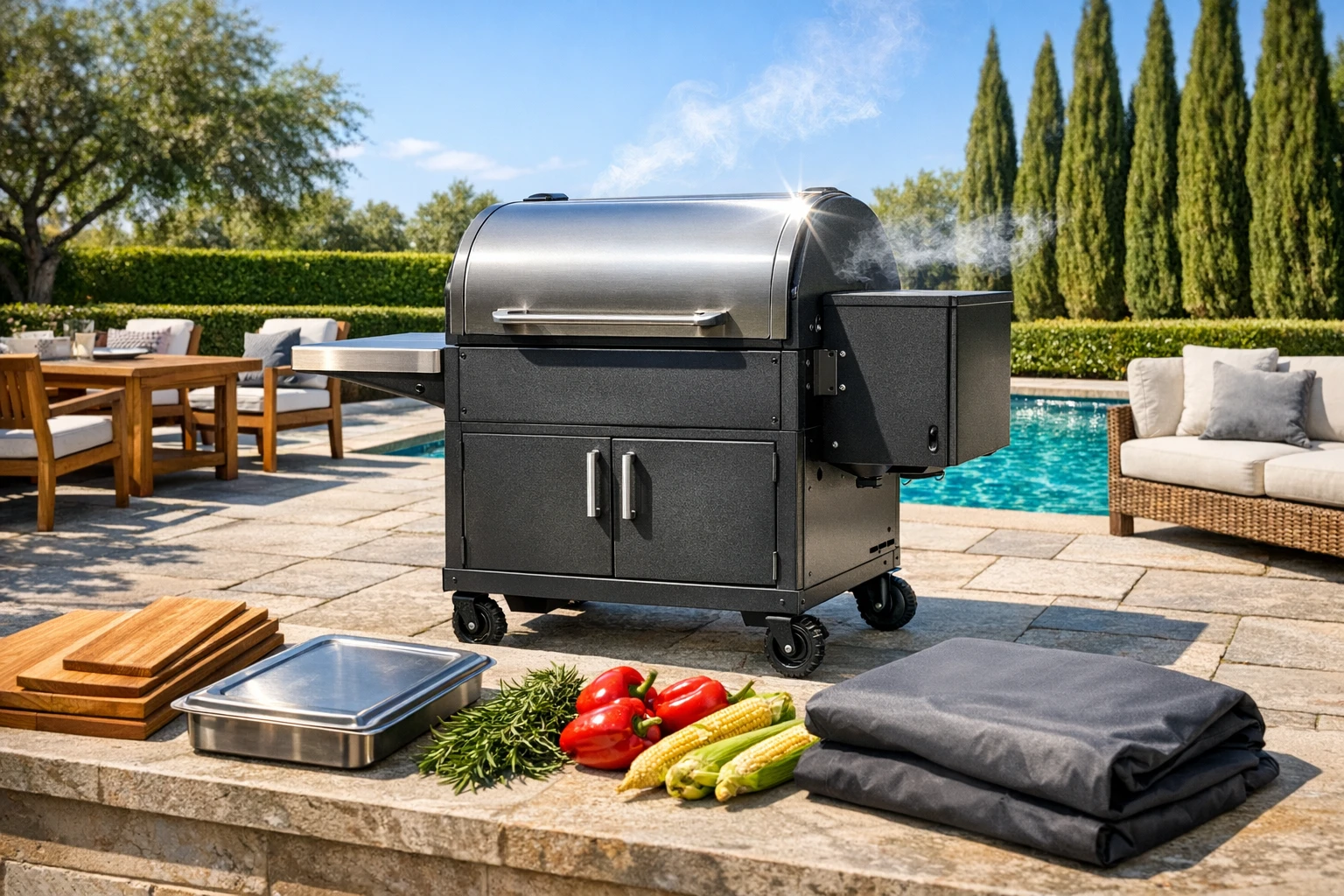
Costco Smoker Grill Guide: Features, Fuel Types, and Buying Tips
Shopping for a smoker grill at Costco can feel a bit like hunting for treasure: the lineup changes, the value is often strong, and the right choice depends on how you cook. Some buyers want fast weeknight meals, while others want deep smoke flavor and enough space for a backyard feast. This guide explains the smoker grill styles Costco often carries, how fuel choices shape flavor and upkeep, and what to compare before a big box lands in your cart.
Article Outline: What This Guide Covers and Why It Matters
Before comparing lids, shelves, and temperature dials, it helps to know the route ahead. A smoker grill is not just another patio appliance. It affects how you host, how long you spend cooking, how much cleanup you tolerate, and even which foods you are likely to make on a regular basis. Costco adds another layer to the decision because its inventory can rotate by season, location, and online availability. A unit you see in one warehouse may never appear in another, and an online bundle may include extras that shift the value equation in a meaningful way.
This guide is organized to help readers move from broad understanding to practical buying decisions. If you are standing in front of a display model wondering whether you need a pellet hopper, heavy ceramic walls, or a simpler gas-assisted setup, the sections ahead are designed to answer that without turning the process into a technical maze.
- First, we look at the kinds of smoker grills Costco commonly sells and the features shoppers usually notice first.
- Next, we compare fuel types such as pellets, charcoal, gas, and electric options that may appear online or seasonally.
- Then, we break down size, heat control, materials, and day-to-day usability so you can compare units beyond the price tag.
- Finally, we cover buying tips, ownership costs, and a conclusion aimed at the Costco shopper who wants value without guesswork.
The outline matters because smoker grills are easy to judge by surface appeal. A glossy finish, oversized handle, or bright digital display can be persuasive in the aisle, but long-term satisfaction usually comes from less flashy factors: stable temperature control, enough cooking space for your real habits, a manageable cleanup routine, and fuel that fits your patience level. In other words, the right smoker grill is not the one that looks most impressive in a warehouse; it is the one that makes you want to cook again next weekend. By following this structure, you can compare models with a steadier eye and avoid buying too much grill, too little capacity, or a fuel system that clashes with your schedule.
What Costco Smoker Grills Usually Include
Costco does not operate like a specialty barbecue store, and that is exactly why shopping there can be both appealing and slightly unpredictable. Instead of maintaining a fixed wall of year-round smoker grill choices, Costco often offers a rotating selection shaped by seasonality, vendor promotions, regional demand, and online-only distribution. In practice, that means shoppers may encounter pellet grills, kamado-style charcoal cookers, vertical smokers, combination grill-smoker units, and occasional premium bundles that include accessories. The selection is usually broader online than in the warehouse, but warehouse displays can offer the advantage of seeing the physical footprint, shelf height, wheel quality, and lid heft in person.
A Costco smoker grill package often stands out because bundles can include useful extras rather than stripped-down base units. Depending on the item, shoppers may see covers, meat probes, side shelves, storage cabinets, front trays, rotisserie kits, or starter packs bundled into the purchase. Those additions matter because the sticker price alone rarely tells the whole story. A grill that looks slightly more expensive may actually represent better value if it includes the accessories most owners end up buying separately.
Common features found on smoker grills sold through Costco include:
- Digital controllers or analog dampers for heat management, depending on the style
- Porcelain-coated or stainless steel grates for easier cleaning
- Side tables, enclosed storage, or folding shelves for prep work
- Integrated temperature probes on some pellet and higher-end models
- Grease management systems and ash cleanout features on select designs
- Larger wheel sets for moving heavy units across patios or driveways
There is also a practical difference between warehouse buying and online buying. In-store purchases let you inspect the build more closely, but online listings may provide a wider feature set, delivery options, and more detailed specifications. Since smoker grills can be bulky and heavy, delivery convenience can be a major benefit. That said, buyers should always check current shipping terms, assembly requirements, and return conditions at the time of purchase, because policies and availability can change.
The most useful mindset is to think of Costco as a value-focused marketplace rather than a one-brand destination. Inventory may include well-known grill manufacturers or exclusive variations designed for warehouse retail. The smart shopper compares not just the badge on the lid, but also the controller quality, metal thickness, cooking area, warranty support, and whether the included accessories reduce future spending. That is where a good Costco find starts to look less like an impulse buy and more like a well-planned backyard upgrade.
Fuel Types Explained: Pellet, Charcoal, Gas, and Electric Options
If smoker grills were musicians, fuel types would be their instruments. Each one can produce a great performance, but the tone, rhythm, and effort level are different. Costco shoppers often encounter pellet grills most frequently in the smoker-grill category, yet charcoal cookers, gas-assisted options, and some electric smokers may also appear depending on season and channel. Choosing among them is the biggest decision you will make, because fuel affects flavor, convenience, temperature control, maintenance, and long-term operating cost.
Pellet grills are popular because they offer a balance of smoke flavor and automation. Wood pellets feed from a hopper into a fire pot, and an electronic controller regulates heat. Many pellet grills operate in a range of roughly 180 to 500 degrees Fahrenheit, though exact performance varies by model and weather conditions. This makes them friendly for low-and-slow barbecue while still capable of roasting and, on stronger units, respectable high-heat cooking. Pellet consumption often falls around 1 to 3 pounds per hour depending on temperature, outside conditions, and grill efficiency. For beginners, that predictability is a major advantage.
Charcoal grills and kamado-style cookers appeal to people who enjoy the hands-on side of live-fire cooking. They can create deep smoke flavor and very high heat, often exceeding 600 degrees on capable ceramic or insulated models. That makes them strong performers for both smoking and searing. The trade-off is involvement: airflow management, charcoal arrangement, and recovery time require more attention. For many enthusiasts, that is part of the charm. Tending a charcoal fire can feel less like operating an appliance and more like steering a small, fragrant weather system in your backyard.
Gas options are prized for speed and simplicity. A gas grill with a smoke box or smoking accessory can add wood flavor while heating quickly and maintaining solid control for everyday meals. However, gas generally produces a lighter smoke profile than pellet or charcoal systems. It works especially well for cooks who want grilled food often and smoked food occasionally, rather than devoting most weekends to traditional barbecue sessions.
Electric smokers, when available, tend to offer straightforward operation and steady low-temperature cooking. They are approachable for beginners and can be useful where convenience matters more than high-heat versatility. Their limitations usually show up when strong searing performance or richer smoke character is the goal.
- Choose pellet if you want ease, consistency, and real wood-fired flavor.
- Choose charcoal if you enjoy active fire management and stronger traditional barbecue character.
- Choose gas if fast, frequent cooking matters more than maximum smoke depth.
- Choose electric if low-effort smoking is your priority and grilling power is secondary.
There is no universal winner here. The right answer depends on whether you want a hobby, a weekday tool, or a little of both.
How to Compare Size, Heat Control, Build Quality, and Overall Value
Once you know your preferred fuel type, the next step is separating meaningful specifications from showroom theater. Smoker grills often advertise large numbers and polished surfaces, but a better buying decision comes from matching the grill to your cooking style. The most practical comparison points are cooking area, temperature management, construction quality, cleaning design, mobility, and the true cost of ownership over time.
Cooking size is the easiest place to start. A compact unit with 300 to 500 square inches of cooking space can work well for a couple or a small household that cooks a few racks of ribs, chicken pieces, or burgers at a time. Mid-sized units in the 500 to 800 square inch range tend to suit families and casual entertainers. Larger models over 800 square inches are better for people who host often, batch cook, or want multiple heat zones and upper racks. Bigger is not always better, though. A large smoker grill consumes more fuel, takes up more patio space, and can be harder to move or clean.
Temperature control is another major differentiator. On pellet grills, a well-designed controller can make a visible difference in consistency. Many shoppers look for PID-style control on modern pellet units because it is designed to hold temperatures more precisely than simpler swing-based systems. On charcoal cookers, the equivalent advantage comes from tight seals, effective vents, and insulated walls that help regulate airflow. On gas units, burner layout and heat distribution matter more than flashy knobs.
Build quality shows up in subtle but important ways:
- Heavier lids and sturdier hinges often indicate better durability and heat retention.
- Powder-coated steel can resist weather well, but stainless components may age more gracefully in damp climates.
- Quality wheels matter if the grill will cross concrete joints, pavers, or sloped driveways.
- Removable ash cups, grease trays, and accessible burn areas reduce maintenance frustration.
Value is where Costco shopping becomes especially interesting. A lower headline price does not always mean lower ownership cost, and a higher bundle price may save money if it includes a cover, probes, or shelves you would otherwise buy later. Buyers should also factor in pellet or charcoal costs, replacement parts, storage needs, and whether assembly is simple enough to handle alone. As a rough market pattern, entry-level smoker grills can sit in the several-hundred-dollar range, mid-tier models can move into the upper hundreds or low thousands, and premium units can go higher still. Price alone does not guarantee better food. Reliable heat, manageable cleanup, and a size that fits your routine usually have more impact on long-term satisfaction than a flashy extra feature you rarely use.
Buying Tips and Conclusion for Costco Shoppers
The smartest Costco smoker grill purchase begins before you look at price cards. Start with your real cooking habits, not your most ambitious barbecue fantasy. If you currently grill twice a month and occasionally host family, you probably do not need a giant competition-style setup. If you regularly cook for parties, meal prep in bulk, or love experimenting with brisket, ribs, wings, and reverse-seared steaks, then a larger and more versatile unit may earn its footprint. The key is honesty. Backyard cooking is more enjoyable when the grill matches your routine instead of quietly demanding more time, fuel, and storage than you expected.
Here are practical buying tips that can save money and frustration:
- Measure your patio, deck, or storage area before you buy, including lid clearance and cart width.
- Check whether the unit fits through gates, doorways, or the path from delivery point to backyard.
- Review assembly needs carefully; some smoker grills are weekend projects, not quick setups.
- Think about local fuel availability, especially if you choose pellets and want specific wood blends.
- Look at replacement parts, warranty support, and controller reliability, not just launch-day features.
- Consider weather exposure and whether a cover is included or worth buying immediately.
Costco shoppers should also remember that inventory can be seasonal. A great option available today may disappear next month, while another model may arrive with a different bundle that offers stronger value. That makes it useful to compare product pages, warehouse floor models, and current specifications rather than relying on assumptions from older listings or videos. If you are considering a premium unit, take the extra time to compare cooking area, hopper capacity, insulation, and included accessories. A few careful minutes can prevent years of mildly annoyed ownership.
For most buyers, the decision can be simplified. Choose a pellet smoker grill if you want the easiest route to consistent wood-fired cooking. Choose a charcoal model if flavor depth and live-fire involvement are part of the fun. Choose a gas-based option if convenience drives most of your meals and smoking is an occasional bonus. In that sense, the right Costco smoker grill is less about chasing the biggest machine and more about choosing the one you will happily use on ordinary Tuesdays as well as festive Saturdays.
For the target audience, that is the clearest conclusion: Costco can be an excellent place to buy a smoker grill when you shop with a plan. Focus on fuel type, usable size, build quality, and included value. Ignore the distractions, trust the numbers that affect daily use, and you are far more likely to end up with a cooker that earns its keep every season.