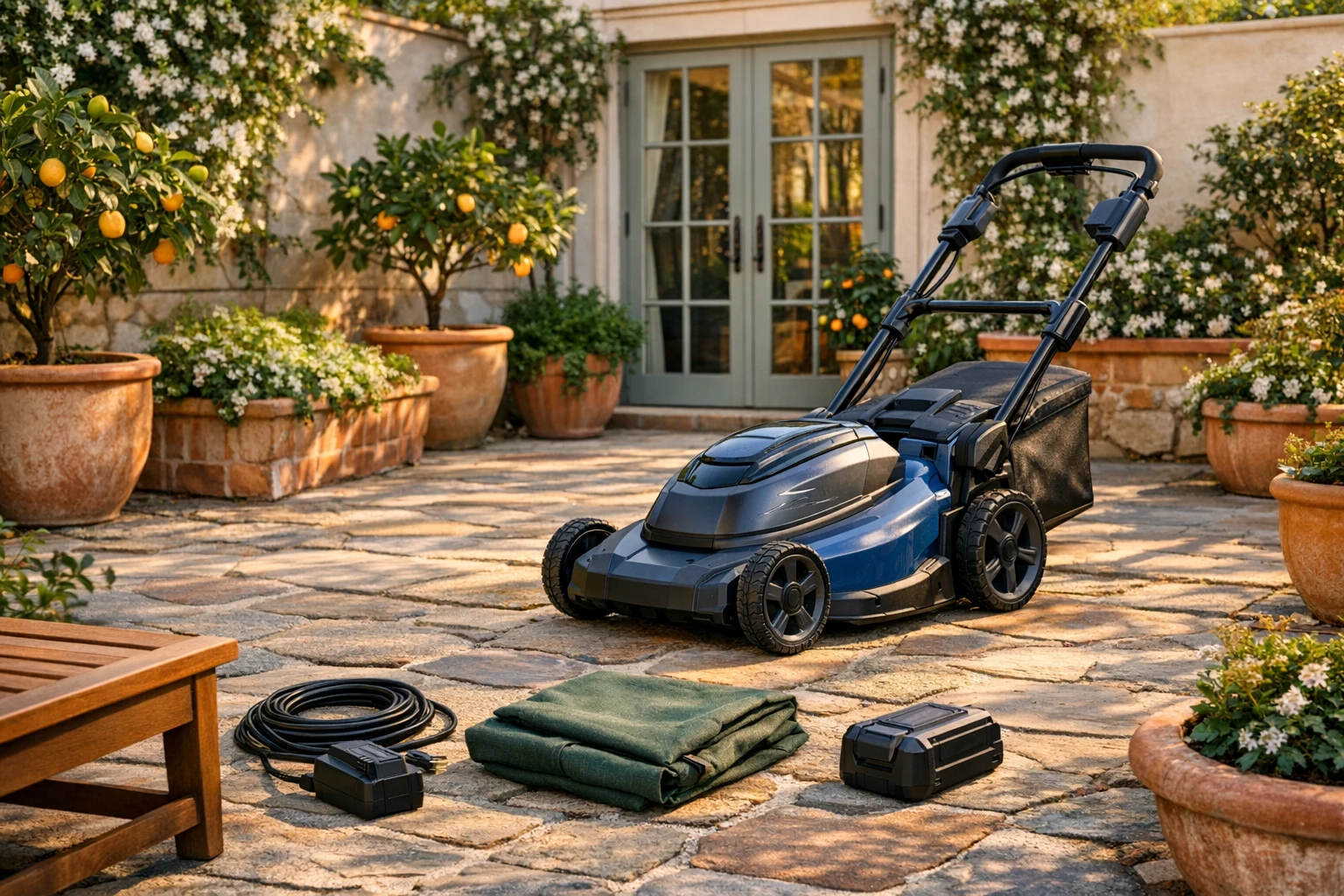
Scratch and Dent Lawn Mowers on Sale: What to Know Before You Buy
Buying a lawn mower with a scuffed deck or a torn box can feel a little like finding a sturdy work boot with a dusty toe: the flaw is easy to spot, but it may have little effect on real performance. Scratch-and-dent sales matter because outdoor power equipment is costly, and even minor blemishes can lower the price in a meaningful way. The challenge is telling cosmetic damage apart from problems that can shorten lifespan, weaken safety, or lead to repairs. This guide helps you sort the bargains from the burdens before money changes hands.
Article Outline
- What scratch-and-dent really means and why retailers discount these mowers - How gas, battery, walk-behind, and riding models differ when sold in less-than-perfect condition - Which inspection points matter most before you buy - How to judge pricing, warranty coverage, and total ownership cost - Who should buy a scratch-and-dent mower and when it is smarter to walk away
What “Scratch and Dent” Usually Means in the Lawn Mower Market
The phrase “scratch and dent” sounds simple, yet it covers a wide range of situations. In the lawn mower market, it often refers to machines that cannot be sold as factory-fresh because they picked up visible flaws somewhere between the warehouse and the sales floor. That may include a dented steel deck, scratched plastic trim, a damaged shipping carton, a missing mulch plug, or a mower that spent a season as a floor model. In many cases, the machine has never cut a blade of grass. In others, it may have been assembled, demonstrated, returned, and inspected before being put back on sale.
Retailers discount these units for practical reasons, not romantic ones. A mower with cosmetic damage is harder to sell at full price, even if it runs perfectly. Stores also need to clear space for incoming seasonal inventory, especially in spring and early summer when demand is strongest. That is why scratch-and-dent sales often appear during model transitions, end-of-season clearance events, and after heavy shipping periods. The mower world is less glamorous than a showroom full of sports cars, but the same rule applies: appearance affects price. A nicked panel may cost the seller margin, and that lost margin can become your savings.
Still, not all damage is equal. Cosmetic issues are one thing; structural or mechanical damage is another. A scraped handle or chipped paint on a deck edge may have little effect on performance. By contrast, a bent wheel bracket, cracked housing, leaking fuel line, or warped blade spindle can change how the machine cuts, steers, or starts. This is why buyers should ask a direct question before anything else: “What exactly caused this mower to be marked down?” That single question often tells you whether you are looking at a harmless blemish or a future repair project.
Discounts vary by seller, model, and condition, but cosmetic-only markdowns commonly land in the modest range, while deeper discounts tend to reflect display wear, missing accessories, older inventory, or uncertain warranty coverage. A useful mental checklist is: - Cosmetic flaw only - Functional issue repaired and documented - Missing parts included or not included - Full warranty, limited warranty, or no warranty - Return eligibility and inspection window When those details are clear, scratch-and-dent mowers stop looking mysterious. They become what they really are: discounted tools with a story attached. Your job is to decide whether the story ends with reliable mowing or an expensive lesson.
Comparing Scratch-and-Dent Deals Across Gas, Battery, Walk-Behind, and Riding Mowers
A scratch-and-dent label means different things depending on the mower category, and smart buyers adjust their expectations accordingly. On a basic walk-behind push mower, cosmetic damage may be relatively low risk because the design is simple. There are fewer systems to inspect, fewer expensive components, and fewer parts that can be knocked out of alignment without it becoming obvious. If the deck is straight, the wheels roll evenly, the height adjustment works, and the engine starts cleanly, a few scratches may not matter much at all.
Self-propelled gas models deserve a closer look because they add drive systems, cables, belts, and transmissions. A dent on the front or side can sometimes hint that the mower took a hard bump during shipping or handling, and that raises questions about the drive mechanism and axle alignment. Battery-powered mowers bring a different set of concerns. The shell may be scratched, but the costly item is the battery pack. If a battery mower is sold as scratch-and-dent, find out whether the battery is new, used, or a demo unit. Lithium-ion packs lose value over time, and replacement batteries can be expensive enough to erase the discount that made the deal attractive in the first place.
Riding mowers and zero-turn models require the most caution because the systems are more complex and repairs can be costly. Cosmetic marks on a fender may be harmless, but deck dents, bent anti-scalp wheels, steering play, and transmission issues are far more serious. A riding mower may look fine from ten feet away while hiding signs of impact underneath. Think of it like buying a used trailer after a rough parking-lot scrape: the paint is not the real story, the frame is. On larger equipment, you want to inspect deck leveling, tire condition, spindle noise, belt wear, seat switches, and hour meter readings if available.
For many homeowners, the best scratch-and-dent value tends to be a mid-range walk-behind mower with documented cosmetic flaws and full warranty protection. That combination keeps risk manageable. A helpful comparison framework is: - Small yard, simple needs: push or compact battery mower - Medium yard, regular weekly mowing: self-propelled gas or battery model - Large yard or frequent heavy cutting: riding mower only if the seller allows a thorough inspection The broader lesson is simple: the more expensive and complex the machine, the more carefully you should treat the word “deal.” A small scratch on a simple mower is often just that. On a larger unit, the same visual clue may be the first breadcrumb in a much longer trail.
How to Inspect a Scratch-and-Dent Lawn Mower Before You Commit
Inspection is where a smart bargain hunter separates optimism from evidence. Start with the mower’s body, but do not stop there. Look at the deck from multiple angles to check for bends, cracks, deep dents, or uneven edges. On steel decks, a hard impact can affect airflow and cut quality. On polymer decks, cracking matters more than surface scuffs. Spin each wheel and check whether it turns freely, sits squarely, and holds position at each height setting. If the mower wobbles while standing still, the problem is unlikely to improve once the blade is moving.
Next, inspect the cutting system. A blade with minor wear is normal; a blade with chips, bends, or heavy rust may signal neglect or impact damage. Ask whether the blade has been replaced, sharpened, or removed during inspection. On self-propelled units, test the drive engagement and release. A mower that surges, slips, or drags can turn a “discount” into a parts order. For gas models, look for oil seepage near the engine, fuel lines, and air filter housing. Ask the seller to start it cold if possible, since warm starts can hide hard-starting behavior. Excessive smoke, rough idle, or unusual vibration deserves attention.
Battery mowers need a slightly different routine. Confirm the charger is included, inspect battery terminals for corrosion or damage, and ask how old the battery is. If the machine was a display unit, determine whether the battery has been repeatedly charged and discharged on the sales floor. That matters because battery age is measured not only in months, but also in usage cycles and storage conditions. If a seller cannot answer basic questions about battery history, treat the package carefully. A shiny housing is not much comfort if the power source is fading quietly in the background.
Before purchase, gather the paperwork as well as the machine. Useful checkpoints include: - Model number and serial number - Written description of the defect - Remaining manufacturer warranty or store warranty - Return policy and inspection period - Included accessories such as bagger, side chute, charger, or keys If buying online, request close-up photos of the deck, wheels, controls, underside, and battery compartment. If buying in person, touch and test as much as the store allows. A mower should not feel like a mystery novel. By the time you reach the register, the plot should be clear, the weak points should be known, and the discount should make sense in plain language.
Pricing, Warranty Coverage, and the True Cost of a “Deal”
A discounted sticker can be persuasive, but good buying decisions come from total cost, not headline savings. Start by comparing the scratch-and-dent price against the current price of the same model in new condition. Then adjust for what is missing. A mower that is 15 percent cheaper may not be a bargain if it lacks a battery, charger, bagger, or manufacturer warranty. On the other hand, a mower with full coverage and only cosmetic damage may be excellent value even if the markdown looks modest at first glance. The goal is not chasing the biggest percentage. The goal is buying usable performance at a sensible overall cost.
One practical way to judge value is to estimate “discount minus likely catch-up costs.” Suppose a mower is marked down by $120. If you expect to replace a worn blade, buy a missing side discharge chute, and pay for a tune-up or spare battery sooner than normal, part of that savings disappears immediately. If the result leaves only a small gap compared with a brand-new unit, the fresh machine may be the better buy. This is especially true when seasonal promotions, manufacturer rebates, or store coupons narrow the difference between damaged stock and untouched inventory.
Warranty terms deserve close attention because they shape risk more than many shoppers realize. Some manufacturers honor full warranties on cosmetically damaged items sold through authorized retailers. Others reduce coverage for open-box or display equipment. Some stores add short in-house guarantees instead. Ask for the answer in writing if possible. Also clarify who handles service. A seller may promise support in a friendly tone, but what matters is whether your local service center will honor the arrangement if the drive system fails in midsummer. Friendly words do not cut grass; functioning support networks do.
It also helps to think beyond the first season. Ownership costs can include: - Replacement batteries - Spark plugs, oil, and filters for gas models - Blades, belts, and wheels - Pickup or delivery fees for heavy equipment - Storage accessories or weather protection If you mow a small urban yard a few months a year, a cosmetically flawed mower may deliver excellent value with little downside. If you maintain a large property and need dependable weekly performance, downtime matters more, so warranty strength and parts availability become central. A great deal is not simply the lowest number on the tag. It is the offer that leaves you with a dependable machine, a clear paper trail, and no sinking feeling once the first tall patch of grass pushes back.
Final Thoughts for Budget-Minded Homeowners and First-Time Buyers
Scratch-and-dent lawn mowers make the most sense for shoppers who are comfortable inspecting equipment, asking pointed questions, and accepting a visible flaw in exchange for a lower price. For that buyer, these sales can be a practical path to better equipment than the budget would normally allow. A homeowner who planned to settle for an entry-level mower might step up to a sturdier self-propelled model. Someone replacing an aging machine may find a dependable backup or primary mower without paying full retail. There is real value here, but it favors the patient and the observant more than the impulsive.
First-time buyers should focus on simplicity. A basic or mid-range walk-behind mower with cosmetic marks, complete accessories, and documented warranty support is usually a safer introduction than a heavily discounted riding model with an unclear history. If you are new to lawn equipment, avoid deals that require guesswork. The best purchase is rarely the one with the most dramatic markdown. It is the one you understand fully. A mower should fit the yard, your maintenance comfort level, your storage space, and your tolerance for troubleshooting. If even one of those pieces feels off, pause before buying.
It is also wise to know when to walk away. Skip the mower if the seller cannot explain the defect, refuses a basic inspection, offers vague warranty language, or shrugs off missing components as “probably not important.” Pass if the deck is visibly bent, the wheels are misaligned, the battery history is unknown, or the engine behavior raises concern. Bargain shopping should feel sharp and satisfying, not foggy and rushed. The right deal gives you clarity. The wrong one leaves you inventing reasons to ignore obvious warnings.
For homeowners who want to spend carefully without settling for junk, the smartest approach is straightforward: - Match the mower type to your yard size and mowing habits - Confirm whether the damage is cosmetic, structural, or mechanical - Test operation whenever possible - Put warranty and return terms in writing - Compare the discount against likely repair or replacement costs In the end, scratch-and-dent sales are not about buying damaged goods for the thrill of saving money. They are about buying function without paying extra for perfection you do not need. If you shop with patience and a checklist, a scarred mower can become a reliable workhorse. If you shop with haste, the bargain may turn into a noisy reminder that cheap and good are not always the same thing.