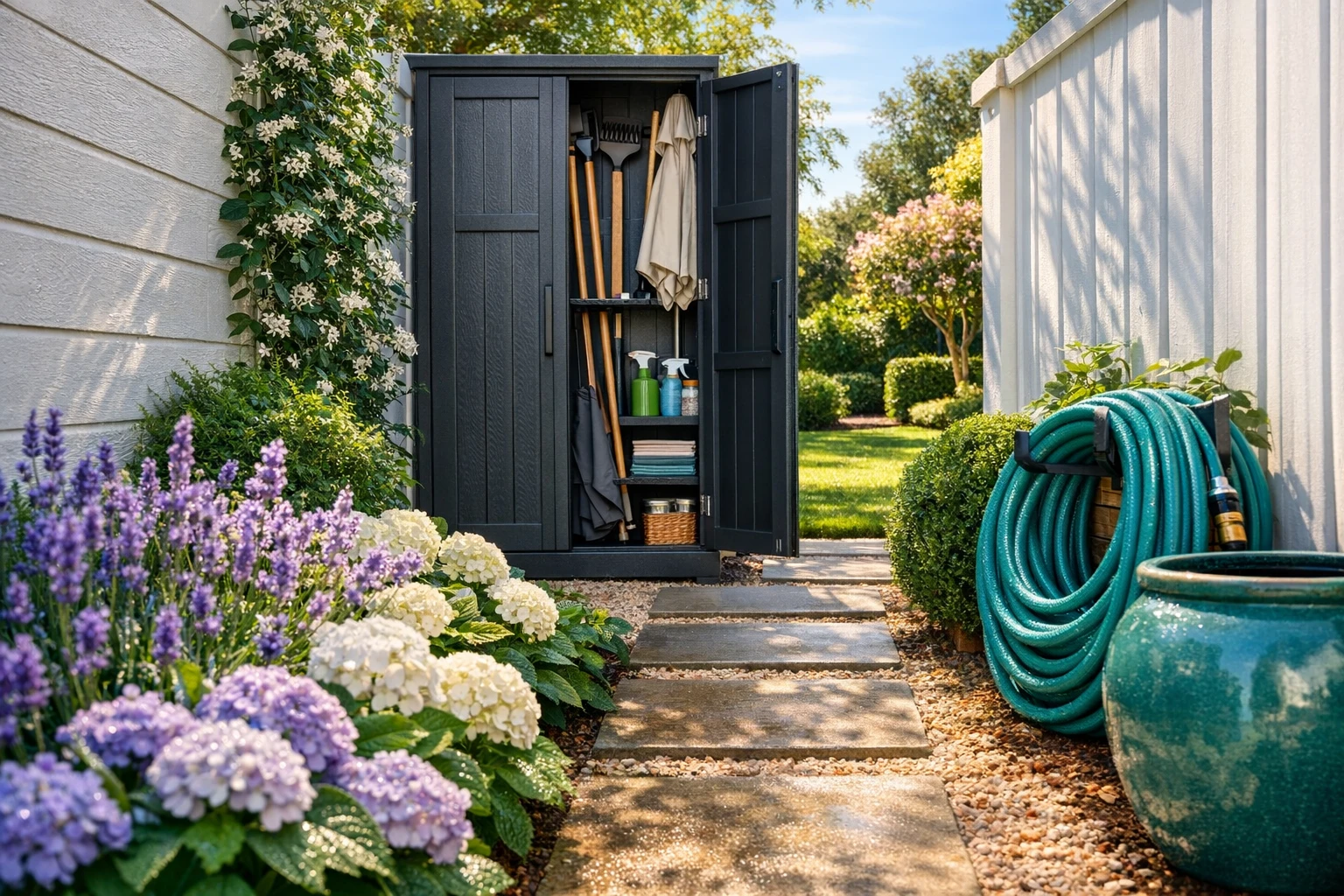
Walmart Is Clearing Out These Outdoor Storage Sheds
A discounted outdoor shed can solve more than a storage problem; it can reclaim a crowded patio, protect seasonal gear, and make a backyard feel orderly again. When Walmart starts marking down sheds, the real opportunity is not simply finding a lower price, but matching the right size, material, and assembly demands to your space. Inventory changes by season and location, so understanding what you are looking at matters as much as the clearance label.
Outline: What This Guide Covers Before You Buy
Before comparing shed styles, it helps to know how to read a clearance event with a calm, practical eye. A lower price tag can be useful, but it does not automatically make a product the right fit. Outdoor storage sheds vary widely in footprint, storage volume, material quality, assembly difficulty, and long-term durability. One model may be perfect for patio cushions and watering cans, while another is built to house bicycles, trash bins, or a push mower. In other words, the shed aisle is less like a neat row of boxes and more like a quiet test of how well you know your own yard.
This article is organized to move from broad strategy to specific buying decisions. First, it identifies the main types of outdoor sheds and storage units that commonly appear in Walmart markdowns. These usually include compact vertical cabinets, horizontal storage sheds, mid-size resin units, and light-duty metal buildings. Next, it compares the strengths and tradeoffs of popular materials, since a bargain is not very helpful if the roof warps, the doors sag, or the floor fails under weight. From there, the guide explains how to judge whether a clearance price is truly worth it once you factor in delivery, anchoring, flooring, and assembly time.
Here is the roadmap for the rest of the article:
- How clearance timing works and which shed categories shoppers tend to find
- What resin, metal, and wood-look designs do well, and where they fall short
- Why dimensions, base preparation, and weather exposure matter more than marketing photos
- How to think about long-term value instead of chasing the lowest price in the moment
- Which buyers benefit most from clearance shopping, from apartment renters to busy homeowners
That structure matters because outdoor storage is one of those purchases people often underestimate. A shed looks simple until you try to fit snow shovels, pool gear, fertilizers, folding chairs, and extension cords into one space without creating a frustrating pile. By the end of this guide, the goal is not just to help you notice a markdown, but to understand what kind of shed actually solves the problem sitting outside your back door.
Which Outdoor Storage Sheds Usually Show Up in Walmart Clearance
When Walmart reduces outdoor storage inventory, the models most likely to appear are not always the giant barn-style sheds people imagine first. More often, markdowns happen on practical mid-sized units and compact storage designs that serve common household needs. That can be good news, because these are the categories most shoppers actually use. A small patio can benefit from a vertical cabinet more than from a bulky 10-by-8 structure, and a narrow side yard often welcomes a low-profile horizontal shed that keeps bins or garden tools out of sight.
Several categories tend to stand out during seasonal transitions:
Vertical storage sheds, often designed for brooms, rakes, hoses, and long-handled tools
Horizontal sheds made for trash cans, pool supplies, or children’s outdoor toys
Deck-box-style storage with lids, useful for cushions and light accessories
Mid-size resin sheds, commonly marketed for lawn equipment and general backyard storage
Light-gauge metal utility sheds for buyers who want larger capacity at a lower upfront price
These categories match how big-box retailers typically stock outdoor products. Smaller and medium units move through inventory faster, appeal to more households, and are easier to ship or offer for store pickup. In practical terms, that means shoppers are more likely to find a 3-by-5, 4-by-6, or 7-by-7 style option than an oversized premium workshop. Clearance timing also matters. Outdoor storage often sees more aggressive pricing as summer fades and retailers make room for fall, holiday, or winter merchandise. In warmer regions, the schedule can be less predictable, but end-of-season resets still influence selection.
Brand mix varies by location and availability, yet shoppers often encounter names such as Suncast, Keter, Rubbermaid, Arrow, and other store-distributed labels. Each brand tends to emphasize different strengths. Some focus on resin construction and low maintenance. Others compete on capacity or value-oriented metal panels. A clearance listing may look dramatic, but shoppers should read dimensions closely. A “large” shed in product copy may still be best for patio accessories rather than a mower and two bikes. That is why the smartest approach is to compare use case first, markdown second. The best shed on clearance is the one that fits your storage problem without creating a new one.
Material Matters: Resin, Metal, and Wood-Look Sheds Compared
Material is where a shed stops being a simple box and starts revealing its personality. Some are quiet workhorses that shrug off rain and sun. Others need more care, more anchoring, or more patience during assembly. If you are shopping a Walmart clearance page or walking past a marked-down pallet in-store, understanding the material may save you from buying a shed that looks great for one weekend and troublesome for the next five years.
Resin sheds are among the most popular options in mainstream retail. They are usually made from durable plastic or polyethylene resin panels and are favored for their low maintenance. They do not rot like untreated wood, and they generally resist insects and casual moisture well. For many households, resin is the easiest “set it and forget it” choice. It is especially useful for garden tools, cushions, sports gear, and seasonal décor. Many resin units also come in neutral colors and textured finishes that blend into patios and fences more gracefully than older shiny plastic designs. The drawback is that quality varies a lot. Thicker double-wall panels hold up better than thin molded shells, and not every model includes a sturdy floor.
Metal sheds often win on price per square foot. If you need more capacity without spending premium money, galvanized steel designs can look appealing. They also offer good resistance to pests and can be a practical choice in dry climates. Still, buyers should weigh the tradeoffs carefully. Thin metal can dent, edges may require careful handling during assembly, and condensation can become a nuisance in humid weather. A metal shed may also feel louder during rain and less forgiving if placed on an imperfect base. In windy areas, anchoring matters even more.
Wood-look resin models sit in an interesting middle ground. They imitate the visual warmth of wood while avoiding many maintenance issues associated with real lumber. They are often selected by shoppers who care about curb appeal and do not want the shed to look like an afterthought parked beside the house.
- Choose resin for low maintenance and broad weather resistance
- Choose metal for budget-friendly capacity and simple utility
- Choose wood-look resin if appearance matters almost as much as function
Real wood sheds exist in the broader market, but they are less common in Walmart-style clearance assortments because they are heavier, more complex, and often sold through specialty channels. For most clearance shoppers, the decision is really between resin and metal. If your climate is wet, your maintenance tolerance is low, and you want easier ownership, resin usually holds the advantage. If cost per storage volume is your main concern and you are prepared for careful setup, metal can still be a sensible pick.
How to Tell Whether a Clearance Price Is Actually a Good Deal
Clearance can feel like a spotlight shining on a single number, but the price on the shelf is only the first chapter. A shed that is reduced by a meaningful amount may still become expensive once you add the practical extras that make it usable. This is the part buyers often overlook in the rush of “buy now before it is gone.” The better approach is to treat each discounted shed like a small project. Ask what it will cost to own, install, and live with, not just what it costs to click into your cart.
Start with size and capacity. Manufacturers may advertise exterior dimensions prominently, but interior space is what determines usefulness. Wall thickness, roof slope, and door opening width all affect what actually fits. A mower may technically fit by length but still be awkward to maneuver through narrow doors. Bikes need turning space. Shelving reduces floor area. Trash-bin sheds need enough lid clearance to open comfortably. That is why shoppers should compare not just footprint, but access.
Next, check what is included and what is not. A bargain shed can become far less exciting when several essentials are missing:
Floor panel or reinforced base
Anchoring kit for wind resistance
Shelving or interior support brackets
Lockable hardware
Delivery, especially for heavier boxed units
Assembly is another hidden cost. Many compact sheds can be built in a few hours, but that estimate often assumes two adults, a level surface, and a calm day. Resin panels may go together more easily than metal sheets, yet they can still become frustrating if the foundation is uneven. Even a slight tilt may affect doors and roof alignment. Metal units can demand more patience, more fasteners, and more careful handling. If you need to hire help, a deeply discounted shed may no longer be the cheapest option.
There is also the question of weather performance. A shed placed under trees, exposed to strong sun, or set in a damp corner faces different stress than the same model on a sheltered patio. UV resistance, ventilation, and water management all matter. A lower-quality roof panel that pools water or a flimsy door hinge that twists in heat can shorten the useful life of the unit.
As a rule, the strongest clearance buy is not the biggest markdown but the best balance of price, material, included features, and fit for your space. If the shed solves a real storage issue, matches your climate, and does not require a stack of costly add-ons, then the deal is probably real. If it only looks good because the red price tag is doing all the talking, keep walking.
Conclusion for Smart Shoppers: Who Should Buy Now and How to Choose Well
For the right buyer, a Walmart shed clearance can be a genuinely useful chance to upgrade outdoor organization without paying peak-season prices. Homeowners with crowded garages, renters with patios, gardeners with too many tools, and families tired of tripping over sports gear all stand to benefit from the right storage unit. The key is to buy with a clear picture of what needs to be stored and where the shed will live. A compact vertical cabinet may outperform a larger model if the real goal is tidy access in a tight space. Likewise, a horizontal shed can be the perfect answer for bins and backyard clutter when a freestanding structure would dominate the area.
The most practical path is surprisingly simple. Measure the space carefully. Make a written list of what needs to go inside. Decide whether your priorities are appearance, weather resistance, or maximum capacity for the price. Then compare the clearance options through that lens. If a resin model offers a floor, reasonable assembly, and dimensions that fit your yard, it may be worth acting quickly. If a metal shed is cheaper but requires a better base, more setup time, and extra reinforcement, the lower sticker may not translate into better value.
Think of the shed as part of how your outdoor space works every week, not just as a seasonal impulse purchase. The best choice is the one that makes daily life easier when you are putting away cushions before rain, grabbing tools for a quick garden job, or clearing the patio before guests arrive. Good storage has a quiet kind of magic: it turns scattered objects into usable space and visual calm.
For readers scanning Walmart’s latest markdowns, the takeaway is straightforward. Look beyond the word clearance. Focus on size, material, setup, and long-term usefulness. When those pieces line up, the right shed is more than a deal; it is a practical improvement you will notice every time your backyard feels less crowded and more under control.