Outdoor BBQ Grill Guide for Homeowners
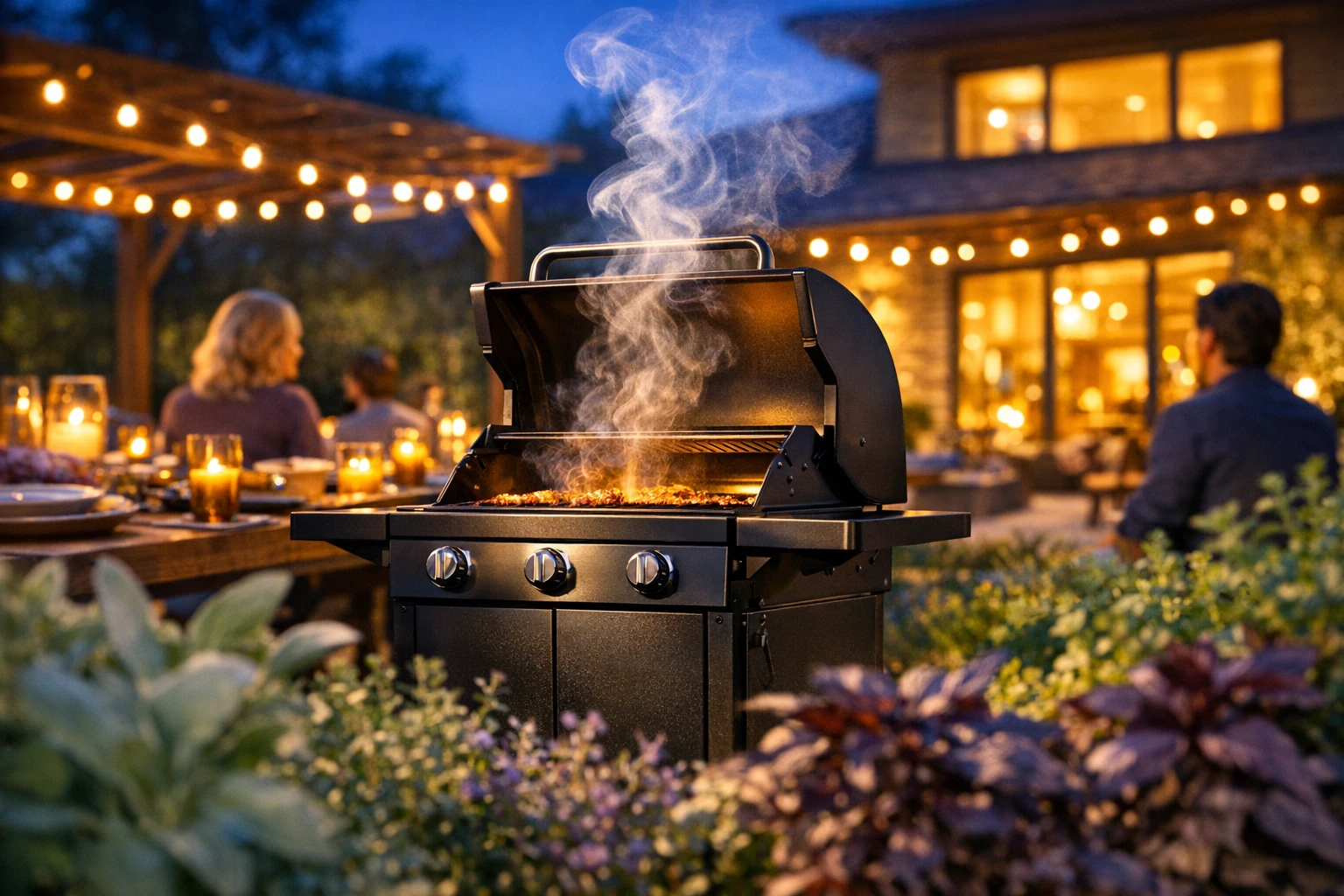
For many homeowners, an outdoor BBQ grill is more than a cooking tool; it often becomes the anchor of relaxed weekends, family meals, and easy evenings outside. The model you choose shapes flavor, fuel spending, cleanup time, and even how well your patio functions when guests arrive. A smart purchase can make a small backyard feel purposeful and welcoming. This guide explains the core options, features, and trade-offs so you can choose with confidence.
Article Outline
- How the main grill types compare for flavor, convenience, and learning curve
- How to match grill size and layout to your patio, deck, or backyard
- Which materials and features matter most for durability and performance
- What daily ownership looks like, from fuel use to cleaning and safety
- How homeowners can set a budget, compare options, and buy wisely
1. Understanding Outdoor BBQ Grill Types for Home Use
Homeowners usually begin with one simple question: what kind of grill should I buy? The answer depends less on marketing language and more on how you want to cook. Outdoor grills for residential use generally fall into five broad categories: gas, charcoal, pellet, electric, and kamado-style ceramic cookers. Each has strengths, weaknesses, and a different personality. One feels like a quick weekday appliance, another feels like a slow craft project, and that difference matters more than many buyers expect.
Gas grills are the most common choice for homeowners because they are fast, predictable, and easy to manage. Propane models are flexible and easy to place, while natural gas versions can be convenient for homes with a permanent gas line. A typical gas grill preheats in around 10 to 15 minutes, which makes it appealing for weeknight use. If you want burgers, vegetables, or chicken without much setup, gas is hard to beat. The trade-off is that gas grilling often produces a cleaner flavor profile and less smoke than charcoal or wood-based systems, which some cooks see as a benefit and others see as a compromise.
Charcoal grills remain popular because they deliver stronger smoke flavor and very high heat with relatively simple hardware. Many backyard cooks enjoy the ritual of lighting coals, waiting for ash-over, and shaping heat zones manually. That ritual can be rewarding, but it also demands more attention. Charcoal generally takes longer to start and leaves more ash to clean. For homeowners who enjoy hands-on cooking and do not mind a slower process, charcoal can feel timeless rather than inconvenient.
Pellet grills sit somewhere between outdoor oven and smoker. They burn compressed wood pellets and use an electric auger to feed fuel into a fire pot. Many pellet models are known for stable temperature control, which makes them especially attractive for ribs, brisket, chicken, and low-and-slow weekend cooking. They can also roast and bake effectively, although not all pellet grills are equally strong at direct high-heat searing.
Electric grills are often chosen where open flames are restricted, such as some condos or small patios. They are straightforward and compact, but they typically offer less smoke flavor and lower peak heat than gas or charcoal. Kamado grills, usually ceramic and egg-shaped, hold heat exceptionally well and can grill, roast, bake, and smoke with impressive efficiency. Their performance is excellent, but they are often heavy and more expensive.
- Choose gas for speed and convenience
- Choose charcoal for classic flavor and heat control by hand
- Choose pellet for smoking versatility and steady temperatures
- Choose electric for small spaces and simpler restrictions
- Choose kamado for multi-style cooking and heat retention
In short, the best grill type is the one that matches your routine. A homeowner who grills twice a week after work has different needs than someone who loves six-hour Saturday cooks. When the lid opens and the first wave of heat rises, you want excitement, not regret.
2. Matching Grill Size, Placement, and Backyard Layout to Your Household
Buying the right grill is not only about fuel type; it is also about fit. A grill that looks perfect in a showroom can feel oversized on a narrow deck or strangely limited when you are feeding eight people. Homeowners do best when they measure their outdoor space before comparing product pages. This includes not just the footprint of the grill, but also lid clearance, side shelf space, walking room, and the safe distance recommended by the manufacturer from walls, railings, and combustible materials. In practical terms, a grill should not make the patio feel like a storage closet with flames.
Cooking area is one of the easiest ways to compare size. Smaller grills often provide around 250 to 400 square inches of primary cooking space, which may suit a couple or a small household. Mid-size models commonly range from 400 to 600 square inches and can handle routine family use plus occasional guests. Larger grills above 700 square inches are useful for frequent entertaining, but they also consume more fuel, take longer to heat, and occupy more visual and physical space. Bigger is not always better; it is only better when the cooking demand supports it.
Homeowners should also think about how they actually use the yard. A compact grill near the kitchen door works well for quick dinners and bad-weather convenience. A larger cart-style grill with prep shelves can be ideal for a backyard cooking zone where people gather. Built-in grills create a polished outdoor kitchen look, but they require planning, weather-resistant cabinetry, and often a higher budget. Freestanding units are more flexible because they can be moved, upgraded, or replaced without remodeling.
Placement matters for comfort as much as for safety. Wind exposure can affect burners and temperature stability. Strong sun can wear down finishes over time. If your area gets a lot of rain, snow, or salty coastal air, durability becomes even more important. Homeowners in attached housing should also check neighborhood, HOA, lease, or fire code restrictions before buying. Some communities limit charcoal use or require distance from structures.
- Measure width, depth, and lid clearance before shopping
- Leave room for movement, prep, and safe access around the grill
- Match cooking surface to household size and entertaining habits
- Review local rules for propane, charcoal, or open-flame appliances
- Consider weather exposure and storage when choosing placement
A well-placed grill becomes part of how a home works outdoors. It should feel intentional, like a good chair on a porch, rather than a bulky object parked in the way. When space, scale, and traffic flow are handled properly, outdoor cooking feels easier before the fire is even lit.
3. Materials, Construction Quality, and Features Worth Paying For
Two grills can look almost identical online and perform very differently after a year outside. That is why material quality matters so much for homeowners. The main battle is against heat, moisture, grease, and time. A grill does not need luxury branding to last well, but it does need solid construction in the right places. The most important areas to inspect are the burners, firebox, grates, lid, cart structure, and hardware such as hinges and wheels.
Stainless steel is often promoted as the premium answer, but not all stainless steel is equal. Higher-grade stainless steel generally resists corrosion better than thin decorative panels wrapped around cheaper components. Powder-coated steel can also perform well when the finish is applied properly, though chips and scratches may expose it to rust over time. Cast aluminum fireboxes are valued by many manufacturers because they resist rust and hold up well under repeated heating cycles. For grates, porcelain-coated cast iron offers excellent heat retention and strong searing, while stainless steel grates usually need less delicate care and are often easier to maintain long term.
Burner design affects heat output and lifespan. On gas grills, heavier stainless burners usually last longer than thin, lower-grade parts. A good ignition system saves frustration, especially if you grill often. Lid construction matters too. A heavier, well-fitted lid helps with heat retention and more stable cooking. On charcoal grills and kamados, air vent control and seal quality strongly influence temperature management.
Many features sound attractive, but not all of them improve real cooking. A side burner can be useful if you genuinely cook sauces or side dishes outside. Sear burners can help create concentrated high heat. Warming racks, enclosed storage, folding shelves, tool hooks, and easy-read thermometers all add convenience. Smart connectivity on some pellet grills can be genuinely helpful for monitoring long cooks, though it should not distract from core build quality.
What deserves extra attention is warranty coverage. A longer warranty on burners, grates, or cook box components may signal better confidence from the manufacturer, though terms vary widely. Homeowners should read the details instead of focusing on a single headline number.
- Prioritize the burners, grates, firebox, and lid over cosmetic extras
- Look for sturdy wheels, secure handles, and solid shelf attachment
- Check whether replacement parts are easy to find
- Read warranty coverage by component, not just by total years
- Choose features that match how you cook, not just how the grill looks
A good grill should feel steady when you move it, close cleanly when you lower the lid, and give the impression that it was built for weather rather than staged for a catalog photo. Homeowners who focus on construction first usually end up with fewer repairs, better performance, and a longer usable life.
4. Cooking Performance, Fuel Costs, Maintenance, and Everyday Ownership
The purchase price of a grill is only part of ownership. Homeowners also live with preheat time, fuel costs, temperature behavior, cleanup routines, and seasonal maintenance. These practical details shape whether the grill becomes a weekly favorite or an expensive object under a cover. A smart buyer thinks beyond the first cookout and imagines the tenth, the fiftieth, and the slightly rushed Tuesday evening when convenience suddenly matters more than barbecue romance.
Gas grills are usually the easiest to manage day to day. Propane tanks are widely available, and natural gas models remove the need to refill tanks altogether, though installation may require a professional depending on local rules and the home setup. Gas grills can offer quick startup, responsive burner adjustment, and efficient direct cooking. That said, fuel efficiency varies by burner design, insulation, ambient temperature, and how often the lid is opened. BTU numbers alone do not tell the whole story; a high BTU rating is not automatically better if the grill loses heat through thin materials or poor design.
Charcoal grills often cost less to buy, but the fuel expense depends on how frequently you cook and what kind of charcoal you use. Lump charcoal burns differently from briquettes, and many enthusiasts prefer one over the other based on heat profile and ash production. Pellet grills require electricity plus wood pellets, and long smoking sessions can use a meaningful amount of fuel over time. Electric grills may be affordable to operate in some settings, but they tend to be more limited in the flavor and heat experience they deliver.
Maintenance is where many buyers underestimate reality. Grease management systems need cleaning. Grates need brushing or scraping after use and deeper care periodically. Ash must be removed from charcoal grills. Pellet grills benefit from regular cleaning of the fire pot and hopper area to avoid performance issues. Covers help, but they are not magic shields. Moisture trapped under a cover can still cause wear if the grill is put away dirty.
Safety should be part of everyday ownership. Homeowners should inspect hoses, connections, ignition systems, and grease trays regularly. The grill should be used on a stable surface and positioned according to the manufacturer’s clearance guidance. A nearby fire extinguisher and a habit of never leaving active cooking unattended are simple but important steps.
- Compare total ownership, not just sticker price
- Expect more cleanup from charcoal and longer cooks from pellet systems
- Do not judge performance by BTUs alone
- Maintain grease trays, burners, vents, and grates on a schedule
- Follow placement and fire safety recommendations every time
The best grill is not merely the one that can produce a beautiful steak on its best day. It is the one that still feels manageable in real life, when weather shifts, guests arrive early, and cleanup waits patiently at the edge of the evening.
5. Final Buying Strategy and Conclusion for Homeowners
Once homeowners understand grill types, size, materials, and upkeep, the final step is turning that information into a buying strategy. The most reliable approach is to start with usage, not price alone. Think about how often you grill, what you cook most, how many people you usually feed, and how much maintenance you will realistically tolerate. A homeowner who values speed and consistency may be happiest with a well-built mid-range gas grill. Someone who enjoys smoke flavor and longer sessions may get more long-term satisfaction from charcoal, pellet, or kamado options, even if those require more learning and care.
Budget planning becomes easier when it is broken into tiers. Entry-level grills can be fine for occasional use, especially in smaller households, but they may use thinner materials and less durable hardware. Mid-range models often offer the strongest balance of build quality, cooking area, and useful features. Premium grills may bring heavier construction, better heat retention, stronger warranties, and refined details, but the value only makes sense if the homeowner will truly use those advantages. Spending more is sensible when it improves longevity or daily convenience; it is less sensible when it only adds surface-level extras.
It also helps to compare a few common homeowner profiles. A couple with a compact patio may benefit from a two- or three-burner gas grill with folding shelves. A family that hosts summer gatherings may prefer a larger four-burner setup or a spacious pellet grill with room for mixed cooking zones. A hobbyist who wants to sear steaks, smoke ribs, and bake pizza outdoors may find a kamado grill worth the higher cost and heavier footprint. There is no universal winner because backyards, cooking styles, and expectations vary widely.
Before buying, create a short checklist and use it consistently:
- Does the grill fit the space with safe clearance and comfortable movement?
- Is the cooking area large enough without being wasteful?
- Are the core materials solid where heat and weather do the most damage?
- Can you manage the required fuel, cleaning, and maintenance?
- Does the warranty and parts availability support long-term ownership?
For homeowners, the right outdoor BBQ grill is the one that fits the home as naturally as the people who use it. It should make dinner easier, weekends more inviting, and entertaining less stressful. If you buy with a clear view of your space, habits, and priorities, your grill is more likely to become a durable part of home life rather than a short-lived impulse purchase. That is the real goal: dependable outdoor cooking that feels rewarding every time the lid opens.